
Review · KAMAKURA DAY TRIPS
Historic Kamakura: Temples, Shrines and Street Food Private Walking Tour
Kamakura feels like a time machine on foot. This private 6-hour tour strings together major temples, shrine stops, and a hands-on street food lunch, with food and drinks included and guides who keep the day moving at a human pace. I like the combo of big cultural sights and the simple, fun moments, like green tea in the bamboo grove and sampling snacks on Komachi dori.
One thing to weigh in first: the route includes walking and some slope/stairs time, so you’ll want moderate fitness and comfortable shoes. Also, the experience depends on good weather since you’ll be outside most of the day.
Key highlights you will actually feel
- Private pacing with a guide who knows when to slow down or move on
- Engaku-ji with Busudan hall and views from the slopes behind the temple
- Komachi dori street food lunch where you don’t have to guess what to order
- Hokoku-ji bamboo temple tea stop with a traditional cup of green tea
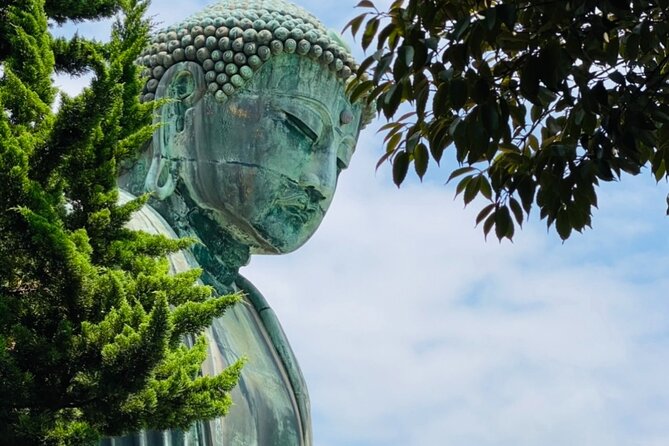
- Great Buddha visit at Daibutsukiritoshi, noted as Japan’s second largest bronze Buddha
Planning your Kamakura day from Kita-Kamakura to Kamakura Station
This tour runs about 6 hours and starts at 9:00 am at Kita-Kamakura Station, then ends at Kamakura Station. That matters because it gives you a logical flow: you begin in the northern area and finish closer to the bigger station hub, which makes it easier to roll into the rest of your day in Kamakura or head back toward Tokyo.
It’s also genuinely private. Only your group joins in, so you can set a steadier rhythm than in a big bus-and-bottle crowd. The day is designed for walking, and the route includes a bit of elevation, so plan for a moderate effort rather than a flat stroll.
One more practical note: you’ll have a mobile ticket for the tour. Entrance fees are included, so you’re not juggling ticket lines mid-walk.
You can also read our reviews of more walking tours in Tokyo
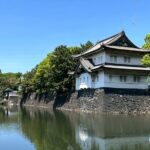

Engaku-ji, Busudan hall, and the slopes with tengu statues
Engaku-ji is the first stop, and it sets the tone fast. You’ll spend about 45 minutes inside the temple complex, including the Busudan hall, which houses a wooden statue of Buddha. Even if you’re not a temple expert, that “wow, it’s real and physical” factor hits quickly. It’s the kind of scene where you can look up, pause, and actually take in the details without feeling rushed.
What I like here is the built-in mix of stillness and movement. After seeing the hall, you climb the slopes behind the temple for fantastic views. You’ll also spot tengu statues along the way. If you like the myth side of Japanese culture, tengu imagery gives you a good hook to understand why these sites carry meaning beyond their walls.
The main consideration is simple: there is climbing. If you’re sensitive to stairs or steep paths, take it slow at the start and use the time as a breather before the more walky parts later.
Tsurugaoka Hachimangu Shrine with torii gates and a treasures museum
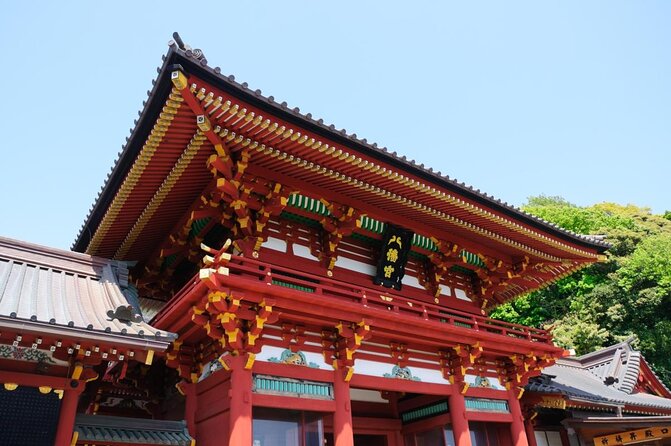
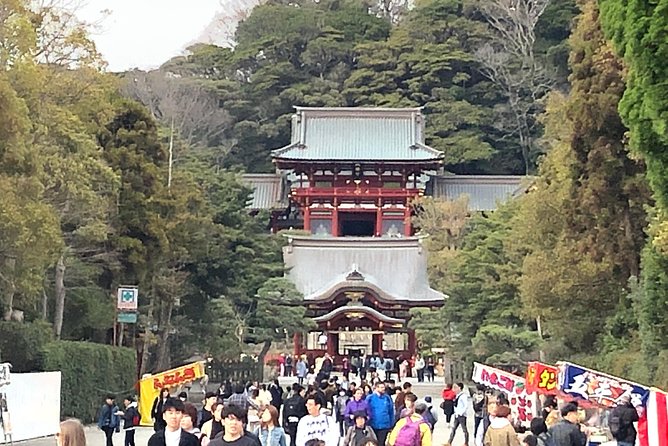
Next up is Tsurugaoka Hachimangu Shrine, one of Kamakura’s most important Shinto shrines. You get about 30 minutes, which is just enough time to do the core things properly: see the main hall, pass through the torii gates, and visit the small museum of treasures.
This is the kind of stop where a guide helps more than you might expect. The shrine grounds can feel like you’re walking through a scenic postcard, but with a little context, it becomes easier to understand what you’re looking at and why it’s arranged the way it is. Even within that short time, you’ll come away with a clearer sense of how the main worship space connects to the surrounding structures.
If you’re traveling with kids, this is also a good tempo shift. It’s structured and visually clear: gates, hall, museum, then back out.
Komachi dori street food lunch: snacks, drinks, and what to try
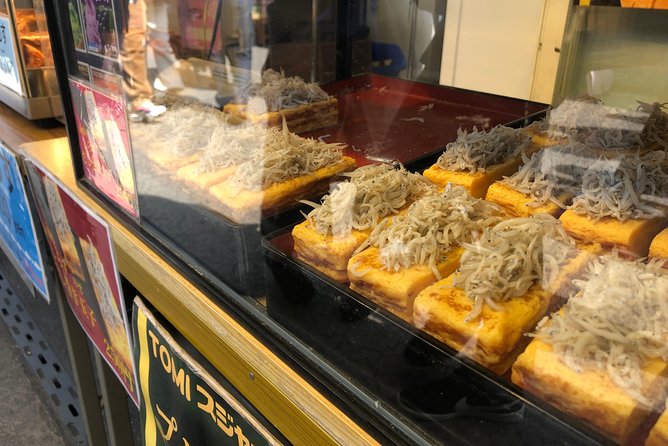
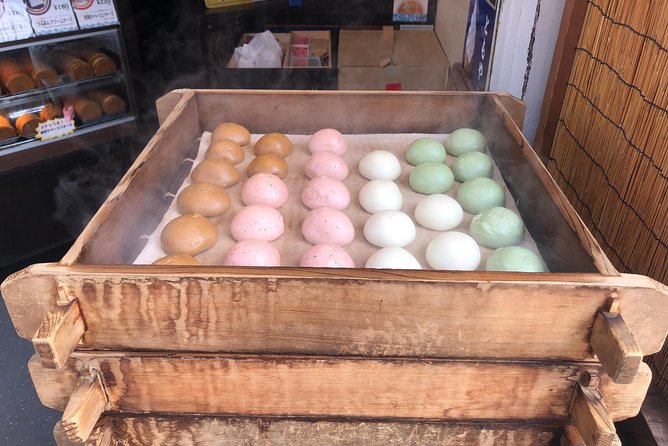
Then comes Komachi dori, and this is where the day turns into a proper food walk. You’ll have about 1 hour here, and it’s lined with eateries and stalls offering a lot of sweet and savory options. The tour includes lunch as sampling a variety of street food, plus snacks and drinks as part of the overall package.
What makes this stop valuable is the “no second-guessing” advantage. If you’ve ever stood in front of a Japanese menu feeling like you’re guessing wrong, you’ll appreciate having a guide steer the choices. In past experiences, guides like Simon and Chuck have been praised for picking times and spots so you don’t feel rushed, and so you end up trying things you’d probably skip on your own.
Also, this tour includes alcoholic beverages along with bottled water and soda/pop. That’s a fun part of the formula, especially if you want the culture-and-casual balance. Just pace yourself. Street food plus walking is a combo that adds up faster than you expect.
Hokoku-ji bamboo temple: the cool grove and a green tea reset
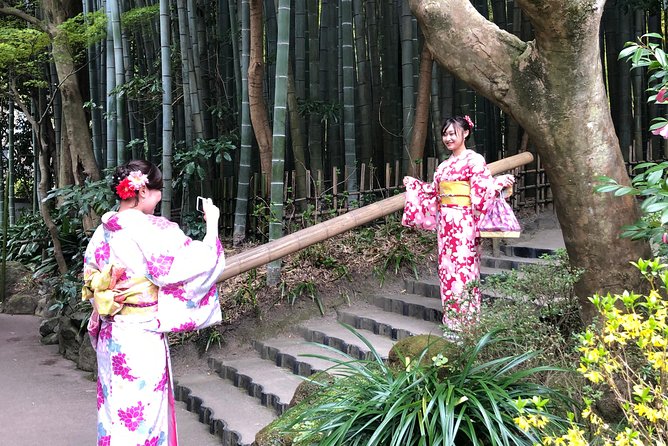
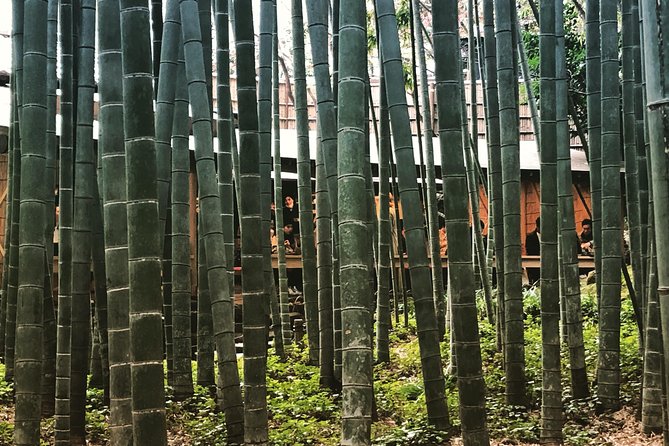
After the food energy, Hokoku-ji gives you a reset. You’ll spend about 1 hour at this temple, known as the bamboo temple. The highlight is the bamboo grove, where you can step into a cooler, calmer pocket and slow down.
Tea is the payoff. You’ll have a traditional cup of green tea at a tea house in the bamboo area. I love stops like this because they turn a long sightseeing day into something you can actually enjoy. It’s not just another photo moment, it’s a break that lets your legs catch up while you take in the mood.
Practical tip: keep your phone ready for pictures, but also give yourself time to look without filming. This is one of those places where you’ll feel the change in air and sound more than you’ll capture.
You can also read our reviews of more food & drink experiences in Tokyo
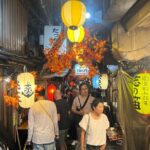
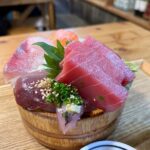

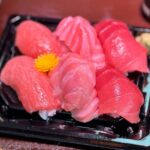


Daibutsukiritoshi and the Great Buddha: what you should notice
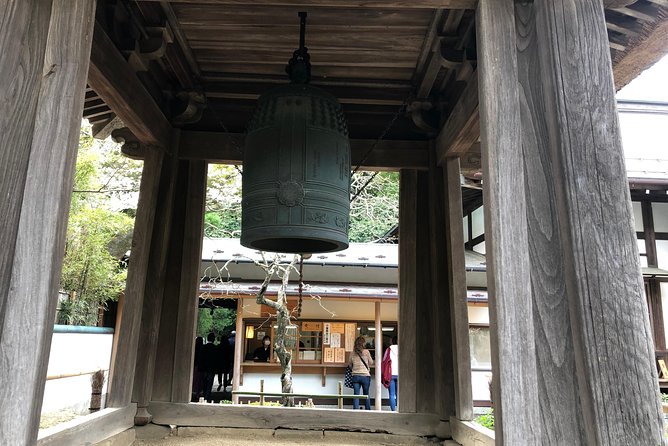
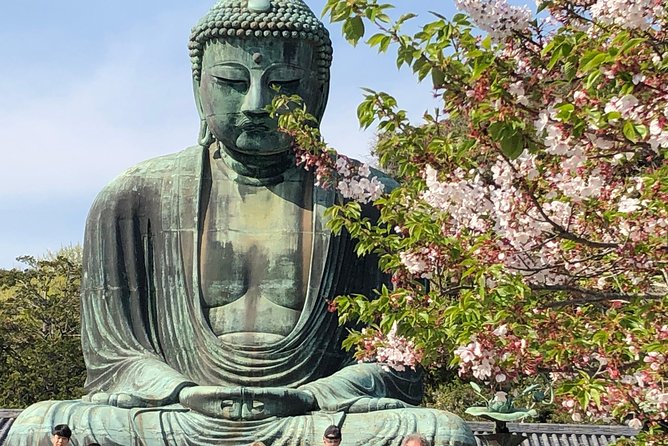
Your final major sight is the Great Buddha of Kamakura, visited at Daibutsukiritoshi, with about 30 minutes here. The tour calls out the Big One: it’s Japan’s second largest bronze Buddha. That’s the headline, but what you should notice in person is scale and presence.
A bronze Buddha isn’t just impressive because it’s big. It also holds a kind of stillness that makes the surroundings feel quieter. With a guide, you’ll likely learn what to look for in the area around it, so you’re not only scanning for the most obvious angle.
This stop is short on purpose. By the time you reach it, you’ve already walked, sampled, and rested. So the goal is to hit the signature moment and then finish the day at Kamakura Station.
Food and drinks included: how this tour earns its value
This tour costs $220.22 per person, and yes, that is not pocket change. The value is in what’s bundled. You’re not just paying for a guide and a map. You’re getting lunch plus snacks and alcoholic beverages, bottled water, soda/pop, and entrance fees.
For a DIY day, those parts are usually the annoying pieces. You still have to plan where to eat, pay for sites, and spend time figuring out what’s worth your time. Here, the “getting organized” work happens for you, which can be a big deal if you want a smooth day instead of a stressful one.
Two more value signals:
- You’re on a private setup, so you’re paying for efficiency, not just access.
- Group discounts apply, which can help if you’re traveling with friends or family.
If you mainly want one or two temples, you might feel this is more than you need. But if you want the full Kamakura story in one go, with food built in, it makes sense.
The guide makes the difference, especially on a walking day
The tour is led by a local guide, and based on strong feedback, the guides really focus on the day as a whole. Past experiences have praised guides like Simon for being personable and professional, helpful with a little one, and for taking people to spots where Japanese people go. That kind of guidance matters most on Komachi dori, where it’s easy to end up with random, forgettable snacks if you don’t know what to look for.
Other feedback highlights pacing. One guide, Chuck, was credited with understanding the best times to move on without rushing, so you get enough time at each stop to actually see and not just pass through.
In practical terms, you should expect:
- A clear sequence so you’re not constantly checking directions
- Timing that helps you feel relaxed rather than dragged
- Assistance choosing food so you spend your hour eating, not panicking
What you should wear and bring for a 6-hour temple and food route
Because the tour blends temple paths, slopes, and a street food loop, your comfort choices matter. Wear shoes you trust on uneven ground. Engaku-ji involves climbing slopes, and Komachi dori is walking-heavy with constant stops.
Bring light layers if weather is changeable. You’ll spend most of the day outdoors, and the bamboo grove stop is cooler by feel.
As for supplies, the tour includes bottled water, so you won’t be scrambling for hydration. You’ll also have soda/pop and snacks, which helps keep energy steady if your appetite runs fast during the food portion.
Who should book this private Kamakura walk (and who should think twice)
This is a great fit if you want Kamakura highlights without spending the whole day planning. It also works well if you like a mix of sights and food and you want a guide to translate what you’re seeing.
It’s especially worth it for couples and small groups who can split the cost and want privacy. Families can consider it too, as guides have been praised for being helpful when traveling with a child.
Think twice if you strongly dislike walking or stairs, or if you want a slow museum-only style day. This route includes moderate physical effort, and it depends on good weather.
Should you book this Historic Kamakura tour?
I’d book it if you want a day that feels organized, fun, and culturally grounded at the same time. The biggest selling point is that food, drinks, and entrance fees are included, so the day is simple to enjoy, not a scavenger hunt.
I would not book it if you’re only interested in one specific temple, or if your schedule is tight and you cannot handle a full half-day outdoors. But if you want Kamakura in one smooth package, starting at Kita-Kamakura and ending at Kamakura Station, this hits the right rhythm.
FAQ
What is the duration of the Historic Kamakura tour?
The tour lasts about 6 hours.
Where does the tour start and end?
It starts at Kita-Kamakura Station in Kamakura and ends at Kamakura Station.
What time does the tour begin?
The start time is 9:00 am.
Is this a private tour?
Yes. Only your group participates.
What locations are visited during the tour?
You visit Engaku-ji, Tsurugaoka Hachimangu Shrine, Kamakura Komachidori, Hokoku-ji Temple, and the Great Buddha of Kamakura at Daibutsukiritoshi.
Are entrance fees included?
Yes. Entrance fees are included.
Is lunch included?
Yes. Lunch is included, along with snacks.
Are drinks included?
Yes. Bottled water, soda/pop, and alcoholic beverages are included.
What should I know about transportation?
Transportation costs are not included.
Does it depend on weather?
Yes. The experience requires good weather. If it is canceled due to poor weather, you will be offered a different date or a full refund.
More Walking Tours in Tokyo
More Tours in Tokyo

More Tour Reviews in Tokyo

Not for you? Here's more nearby things to do in Tokyo we have reviewed


Kamakura Day Trips, side by side.
 ★ 4.5Kamakura & Enoshima Day Trip including Temple TicketsFrom $581,375 reviews
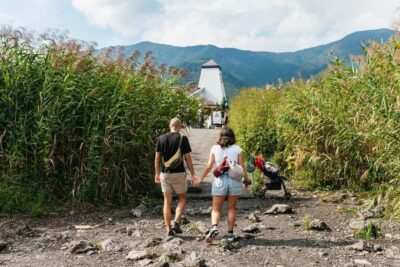 ★ 4.5Mt. Fuji, Kamakura, Big Buddha, & Lake Ashi Day TripFrom $49867 reviews
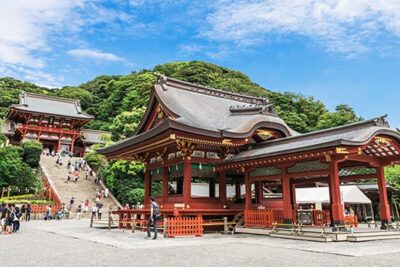 ★ 4.5From Tokyo: Kamakura & Enoshima 1-Day Bus TourFrom $66189 reviews
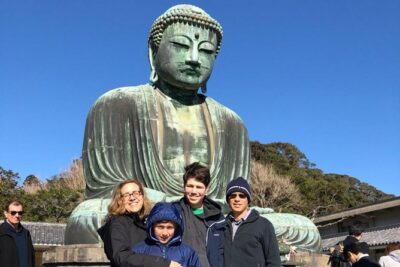 ★ 5.0Kamakura Historical Walking Tour with the Great BuddhaFrom $98129 reviews
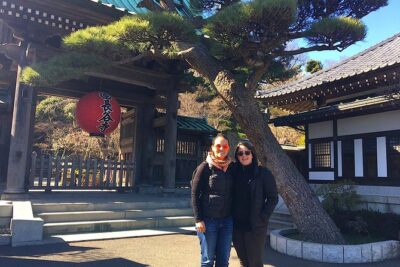 ★ 5.0Kamakura Private Tour: Temples, Nature, and the Great BuddhaFrom $98121 reviews
 ★ 5.0Kamakura Walking Tour – The City of ShogunFrom $35100 reviews
 ★ 5.0Kamakura 8 hr Private Walking Tour with Licensed Guide from TokyoFrom $20180 reviews
 ★ 4.1Kamakura & Enoshima Day Tour with Pickup & Train RideFrom $1361 reviews
This tour also belongs to