
Review · KAMAKURA DAY TRIPS
Kamakura Half Day Walking Tour with Local Experience
Kamakura feels like a time capsule. You start in Shinjuku, ride the coast-hugging Enoden train, then pack in the big Kamakura sights with a guide who keeps the route smooth and meaningful.
I like two things most: the scenic Enoden ride along the Pacific, and the chance to see the Great Buddha without spending your whole day commuting. The pace is brisk, though, and the walking adds up to about 3 km total.
One thing to consider, especially if you like to wander at your own speed: this is a structured half-day with set stops. If you get turned around at the first meeting point, you lose time, so be precise with where you’re going.
Key things I’d note before you go
- Suica Penguin Plaza makes a great meetup landmark, as long as your phone can receive WhatsApp calls.
- The Enoshima and Kamakura Freepass gives unlimited Enoden rides during the tour, so you are not guessing schedules.
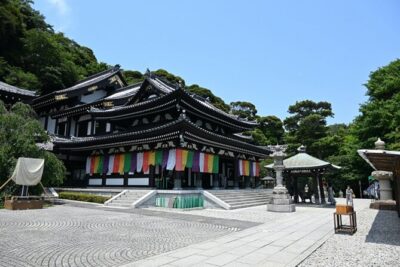
- Hase-dera is more than the main hall, you also get garden areas, caves, and bay viewpoints.
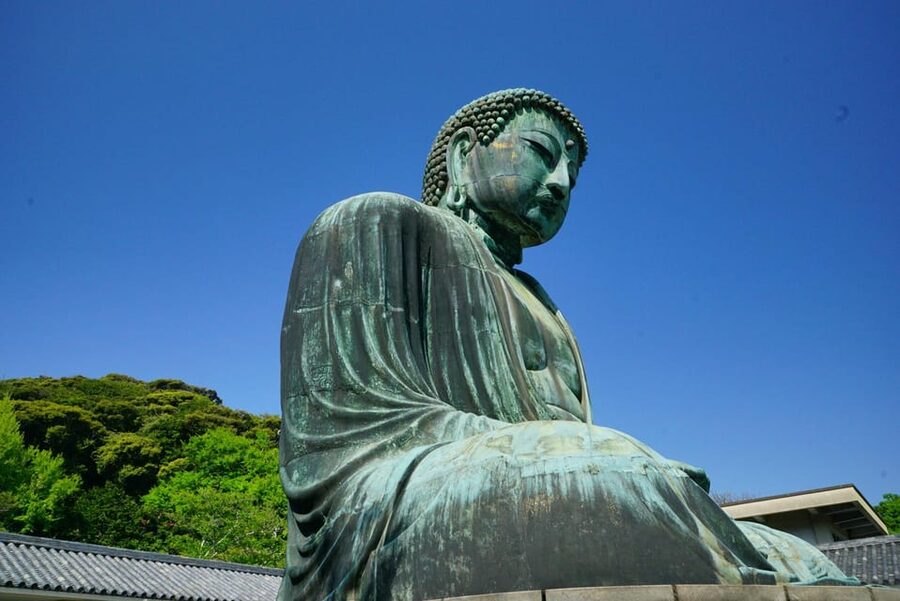
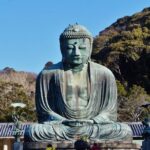
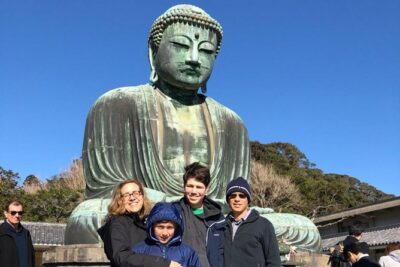
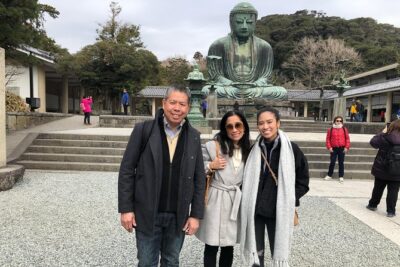
- At Kōtoku-in, you get focused time in front of the Great Buddha to take in details rather than rushing past.
- Komachi Street is built for snacks and quick shopping stops, not a long sit-down lunch.
- The tour ends at Tsurugaoka Hachiman-gu, which is a convenient springboard for your afternoon plans.
Shinjuku to Kamakura: the route that keeps your half-day from slipping
This tour starts in Tokyo, and the smartest part is that it handles the transit so you do not burn your limited time figuring out trains. Your meetup is at the Suica Penguin Statue on the second floor of the Shinjuku Expressway Bus Terminal Building, attached to JR Shinjuku Station. The guide contacts you via WhatsApp before the tour starts, and if you do not have WhatsApp or do not get the message, you should be ready to answer calls in case the guide cannot find you.
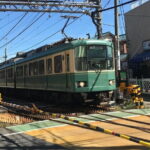
From there, you walk about five minutes to the Odakyu Line area at Shinjuku Station. You board an Odakyu Odawara Line train to Fujisawa with your guide, then switch to the Enoden train, the famous Enoshima Electric Railway line that runs along the coast into the Kamakura area.
Practical tip: if you do not want any last-minute stress, arrive a bit early and physically locate the Suica Penguin statue before the group gathers. One bad outcome reported was simply missing the landmark and only having a broad idea of where to meet. You can avoid that by being exact with the meetup point.
You can also read our reviews of more walking tours in Kamakura
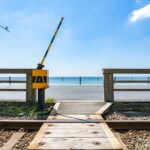
The Enoden coastal ride: the best reason to do this tour as a group
The Enoden segment is the emotional core of this experience. It is not just transportation, it is the payoff. As you move toward Kamakura, the train hugs the Pacific coast and gives you a moving window into a very different side of Japan than the Tokyo skyline.
The tour builds in a day pass called the Enoshima and Kamakura Freepass. The key benefit is that you have unlimited Enoden rides during the tour window, so you are not worrying about individual fares or timing every leg. It also means the guide can keep the schedule tight between temple stops and walking stretches.
Timing wise, the train time totals about 110 minutes in the itinerary. That might sound long until you remember you are traveling through a coastal corridor, not just crossing the city. When you add in the guide’s orientation along the way, it feels more like a guided “journey” than a commute.
Group reality check: you will likely feel some crowding on busy train runs, especially when the day pass is popular. Still, this route is one of the more classic and efficient ways to reach Kamakura from Tokyo for a half-day.
Hase-dera in 45 minutes: gardens, caves, and bay views that make the stop worth it
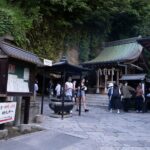
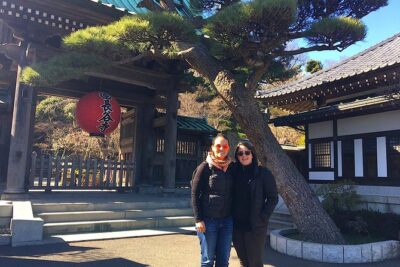
Once you arrive, Hase-dera is your first major temple visit, and the stop is guided for about 45 minutes. It is often called the temple of flowers, and the structure of the visit matches that. You get time to explore garden areas, Buddhist halls, caves, and a panoramic terrace with bay views.
What makes Hase-dera work well on a half-day tour is variety. In a single stop you get:
- Outdoor viewpoints over the bay
- Indoor cave spaces, which feel cooler than the sun outside
- Temple architecture details you can actually notice when someone points out where to look
The drawback is that Hase-dera is not a single flat courtyard. Even with guided navigation, you will be moving through temple grounds that include steps and uneven paths. If you are sensitive to stairs or have low mobility, the itinerary might feel faster than you expect.
What I’d do before you go: wear comfortable shoes you can walk in for a few hours. The tour notes you will walk around 3 km total, and that distance includes short stretches between stops, not just time at temples.
Kōtoku-in Great Buddha: how to use your 20 minutes well
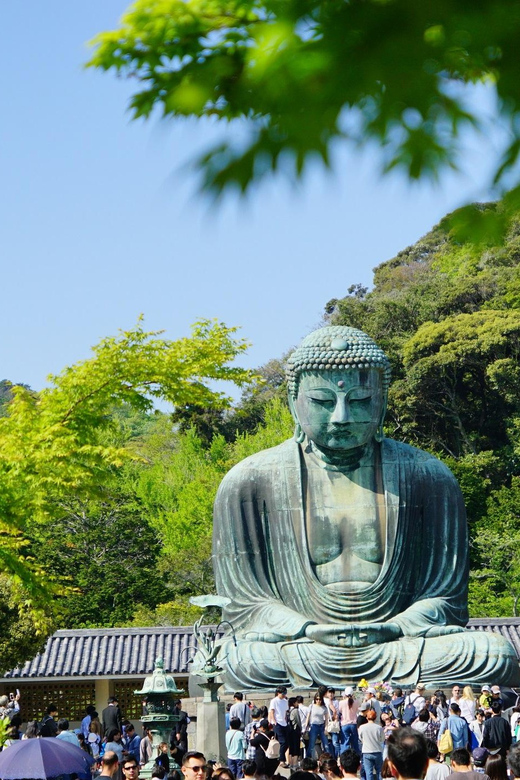
After a short on-foot transfer, you visit Kōtoku-in, home of the famous Great Buddha. Your time here is about 20 minutes, and the whole point is to let you stand in front of the statue long enough to actually look.
This is where I appreciate the tour design. If you were coming on your own, you might spend too much time hunting for entrances, routes, and the best angles for photos. With the guide leading the way, you can focus on the details the Buddha offers, plus the scale that hits you in person.
One important note: photography inside is not allowed. That means the visit is more about looking than recording. If your travel style is very photo-first, you will want to manage expectations and enjoy the moment in real time.
Also, this is one of those experiences where the time constraint can be a help. Twenty minutes is often enough to feel the impact without turning it into a treadmill stop.
Komachi Street break: snacks, small purchases, and not turning it into a full lunch
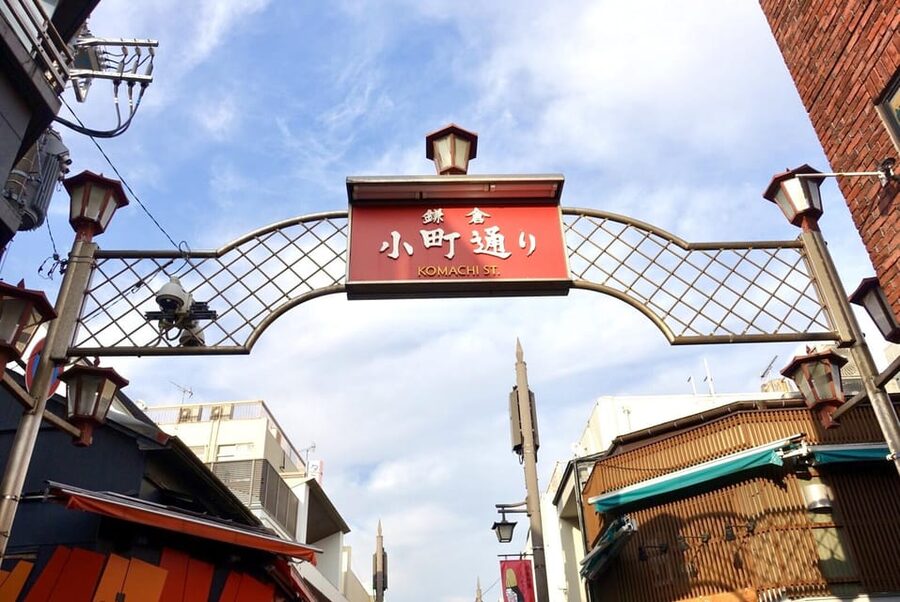
From Kōtoku-in, you ride the Enoden again for about 10 minutes to get to Kamakura Station area, then you walk toward Komachi Street. The itinerary gives you about 20 minutes as break time on Komachi Dori Street.
Komachi Street is known for food and casual shopping, so think of this window as snack and browse time. You are also included with local snacks or a beverage of your choice up to 500 JPY per person, which takes one decision off your plate. Still, it is smart to have a light plan in your head before you arrive, because 20 minutes goes fast.
If you want something hot or served at a counter, you may need to accept a quick line. If you want souvenirs, prioritize the items you can carry comfortably. The tour does not allow luggage or large bags, so your “shopping budget” is more about small items than bulky goods.
The tradeoff with Komachi Street is that it is not set up for long meals within the tour. Lunch is not included, so if you want a real sit-down lunch, you will likely do that after the tour ends.
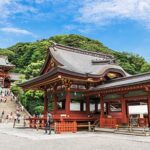
Tsurugaoka Hachiman-gu: finishing at a shrine that makes the afternoon easier
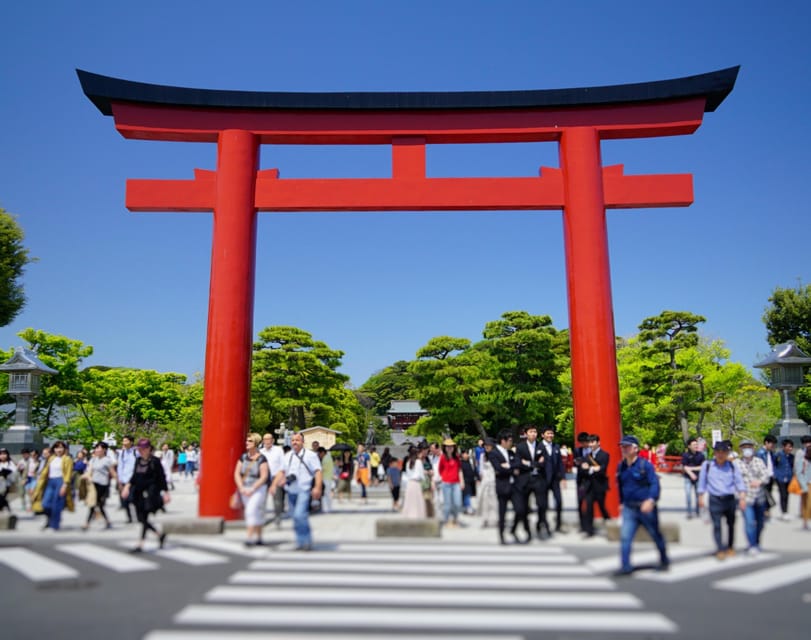
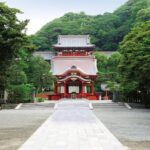
The tour ends with a guided visit at Tsurugaoka Hachiman-gu, about 20 minutes, after you walk from Komachi Street. The shrine is a big part of Kamakura’s identity, including its connection to the samurai era.
This stop works nicely after the Buddha and temple gardens because it changes the mood. You shift from seaside Buddha atmosphere to Kamakura’s civic and historical heart. Even if you do not go deep into the legends, the structure of the shrine area helps you understand why the city developed the way it did.
From a practical viewpoint, ending at Tsurugaoka Hachiman-gu is a smart move. You are in the middle of where many afternoon plans cluster, so you are not fighting transit immediately after the tour.
Price and value: what you are really paying for
At $83 per person for a 330-minute half-day, you are not just paying for viewpoints. You are paying for a guided day in a city that is easier with someone who knows where time is best spent.
Here is what is included:
- An English-speaking guide from Tokyo to Kamakura (English and Spanish are available)
- Return transportation ticket from Shinjuku, using the Odakyu Kamakura-Enoshima Pass
- Entrance fees for Hase-dera and Kōtoku-in
- Local snack or beverage up to 500 JPY per person
What is not included: lunch.
Why this can still be good value
- Temple entrances and guided routing matter. Two paid sites plus guided navigation can add up quickly if you go independently.
- The transit plan is prebuilt. You do not have to manage the switch between Odakyu rail to Fujisawa and the Enoden line yourself while also trying to find meeting points.
- A guide helps you spend your time at the right moments. One of the standout positives in real feedback was that guides like Silvy and Romy were timely, patient, and good at explaining what you are seeing.
Where value can feel weaker
If you hate structured timing, or you want long, slow wandering at each site, this format might feel tight. Also, if your biggest goal is photography, the no-photography-inside rule at certain areas may affect your satisfaction.
Who this tour suits best, and who should rethink it
This tour is a good match if:
- You want the classic Kamakura highlights without turning it into a logistics project
- You like rail travel and want to ride the Enoden coastal line
- You enjoy guided context at major sites like Hase-dera and the Great Buddha
- You are okay with moderate walking and steps, since the total walk is about 3 km
It may be less suitable if:
- You have low fitness and prefer flatter, slower routes. The tour notes it is not suitable for low-level fitness.
- You plan to carry luggage or large bags. Those are not allowed, and your day is easier if you travel light.
- You need lots of free time for shopping or a long lunch break. The schedule includes a snack window on Komachi Street, but lunch is not provided.
A few tips that can save your day
A small checklist based on how this tour is built:
- Wear comfortable shoes. This is not a flip-flops day.
- Bring water in warm weather. The tour suggests extra water, wipes, and possibly a change of clothes in summer due to heat and humidity.
- Keep clothing rules in mind: short skirts are not allowed, and loose clothing is not allowed.
- Expect to be guided. Guides can also help with small route choices, and both English and Spanish are offered.
If you want your afternoon to flow, plan your return direction ahead of time. The tour ends at Tsurugaoka Hachiman-gu, so your next stop might be local shopping, another nearby temple, or beach views.
Should you book this Kamakura half-day walking tour?
I’d book it if you want a high-impact Kamakura visit that works from Tokyo and still feels like a real local day. The biggest strength is the combination: Enoden coast ride, Hase-dera’s varied grounds, the Great Buddha stop with enough time to look, and an easy landing at Tsurugaoka Hachiman-gu so you can keep exploring after.
I would hesitate if you want a slow, independent wandering style. With structured timing, fixed stops, and rules like no photography inside, this tour fits best when you are willing to follow the flow and trust the route.
If you do go, your best move is simple: be exact about the meetup at Suica Penguin Plaza, keep your phone ready for WhatsApp or calls, and arrive with comfortable shoes and a snack mindset for Komachi Street. Then you will likely feel like you got the most important Kamakura experiences in one smooth half-day.
FAQ
Where is the meeting point?
Meet at the Suica Penguin Statue on the second floor of the Shinjuku Expressway Bus Terminal Building attached to JR Shinjuku Station, at Suica Penguin Plaza.
How long is the tour?
The duration is 330 minutes, about half a day.
What is included in the price?
You get an English-speaking guide from Tokyo to Kamakura, return transportation tickets from Shinjuku (Odakyu Kamakura-Enoshima Pass), entrance tickets for Hase-dera and Kōtoku-in, and local snacks or a beverage up to 500 JPY per person.
Is lunch included?
No. Lunch is not included.
How much walking will I do?
The tour involves walking approximately 3 km total.
What train rides are part of the itinerary?
You take the Odakyu Odawara Line from Shinjuku to Fujisawa with your guide, then the Enoden (Enoshima Electric Railway) along the coast to reach Kamakura. You also ride the Enoden again during the route.
Do I get a pass for the Enoden trains?
Yes. You use a day pass called Enoshima and Kamakura Freepass for unlimited Enoden rides during the tour until it ends.
What are the main restrictions during the tour?
You cannot bring luggage or large bags. Short skirts are not allowed. Photography inside is not allowed, and loose clothing is not allowed.
More Walking Tours in Kamakura
More Tours in Kamakura
More Tour Reviews in Kamakura
Not for you? Here's more nearby things to do in Kamakura we have reviewed


Kamakura Day Trips, side by side.
 ★ 4.5Kamakura & Enoshima Day Trip including Temple TicketsFrom $581,375 reviews
 ★ 4.5Mt. Fuji, Kamakura, Big Buddha, & Lake Ashi Day TripFrom $49867 reviews
 ★ 4.5From Tokyo: Kamakura & Enoshima 1-Day Bus TourFrom $66189 reviews
 ★ 5.0Kamakura Historical Walking Tour with the Great BuddhaFrom $98129 reviews
 ★ 5.0Kamakura Private Tour: Temples, Nature, and the Great BuddhaFrom $98121 reviews
 ★ 5.0Kamakura Walking Tour – The City of ShogunFrom $35100 reviews
 ★ 5.0Kamakura 8 hr Private Walking Tour with Licensed Guide from TokyoFrom $20180 reviews
 ★ 4.1Kamakura & Enoshima Day Tour with Pickup & Train RideFrom $1361 reviews
This tour also belongs to