
Review · KAMAKURA DAY TRIPS
Kamakura Heritage Bike or Walk Tour with ex-Rickshaw guide
Four hours, and Kamakura clicks into place. You choose bike or walking, then follow ex-rickshaw guide Ichi through the city’s temple and shrine spine. It’s a private tour with a plan built for seeing a lot without feeling rushed.
I love the first big anchor stop at Kotoku-in for the Great Buddha, and I love the quiet drama at Hokoku-ji with its bamboo grove. The guide also tells clear, practical stories so the places feel connected, not like a checklist.
One possible drawback: the time window is tight. If you do the bike option, you need to be comfortable riding an adult sized bike, because the tour is not recommended for young kids who cannot.
Key things I’d watch for
- Private guide with rickshaw driving background: Ichi brings 5 years guiding experience from these streets.
- Admission included for the two most time sensitive stops: the Buddha at Kotoku-in and entry to Hokoku-ji are covered.
- Bike or walk, and you can adjust during the tour: keep your pace under your control.
- Photo friendly storytelling: the guide takes lots of pictures and explains what you are seeing.
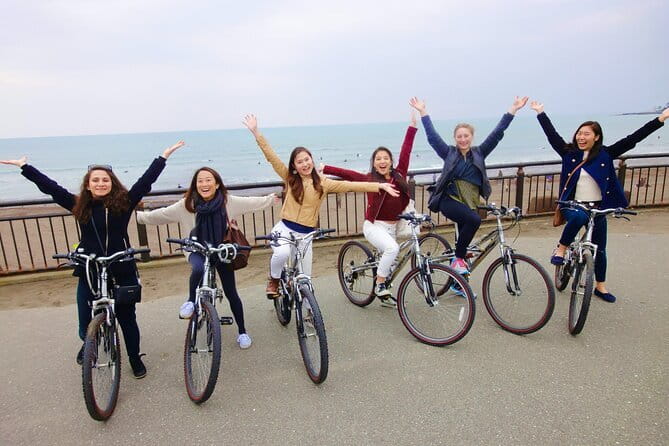
- A real break from temples at Yuigahama Beach: a seaside road ride or walk to reset your brain.
Kamakura in four hours, with a plan that actually fits
Kamakura is one of those places where the history shows up in layers. Temples and shrines are close enough to hop between, but you still need good routing to avoid backtracking and wasted time. This tour works because it strings together the most important stops in a logical flow across central to eastern areas.
The private format matters here. You are not standing around waiting for a big group schedule, and you can match the day to your energy level. I like that the guide gives you structure while still letting you decide whether you want more bike time or more walking.
You also start and end at Kamakura Station. That alone is a big deal. You can easily connect to trains before or after, and you do not have to solve a complicated meeting point.
You can also read our reviews of more walking tours in Kamakura
Bike versus walking with Ichi: choose your comfort, not your ego
You get to pick bike or walking, and you can switch within the tour time frame to match what feels good. If your legs are tired, you can lean on the bike option for distance. If you want slower, closer viewing near specific gates and paths, walking helps.
If you do choose the bike option, be honest about your comfort level. The tour is not recommended for children under 13 who cannot ride an adult sized bike. Even if you are an adult, this is not a hover chair, you still need basic control and balance.
Rain is worth noting. One of the standout things from the experience is that Ichi is comfortable guiding when weather turns. Still, do yourself a favor and bring a light rain layer or poncho, plus something to protect your phone if you want photos.
And yes, there is sometimes an e-bike bonus mentioned in the experience feedback. If an e-bike is available for your group, it can make the ride more relaxed, especially if you want to focus on views and stories rather than pedaling.
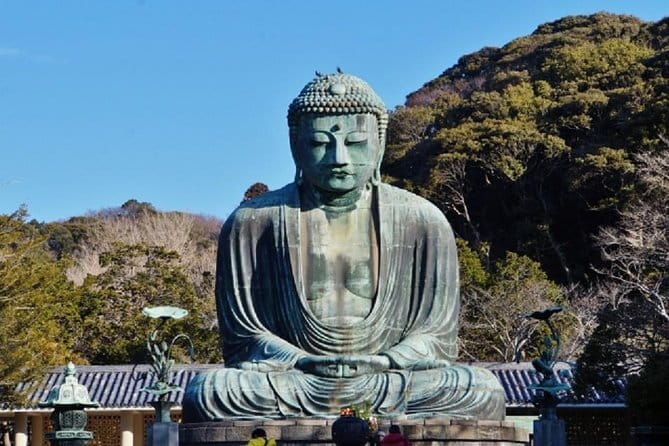
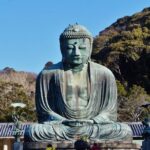
Stop 1, Kotoku-in and the Great Buddha: start with the biggest image
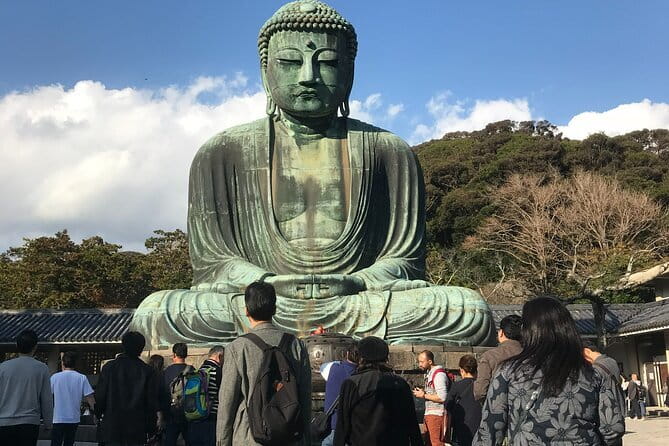
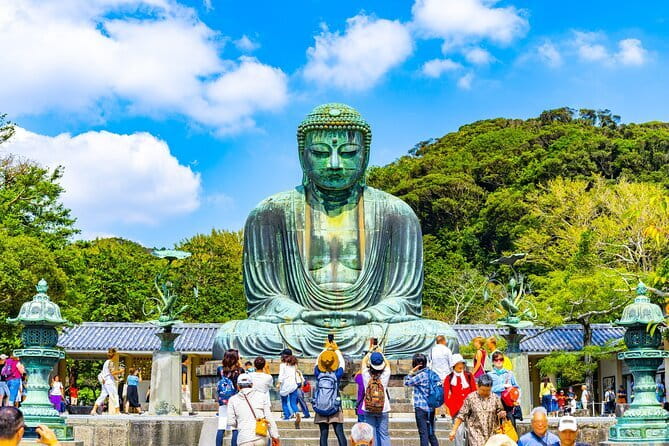
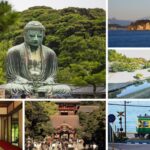
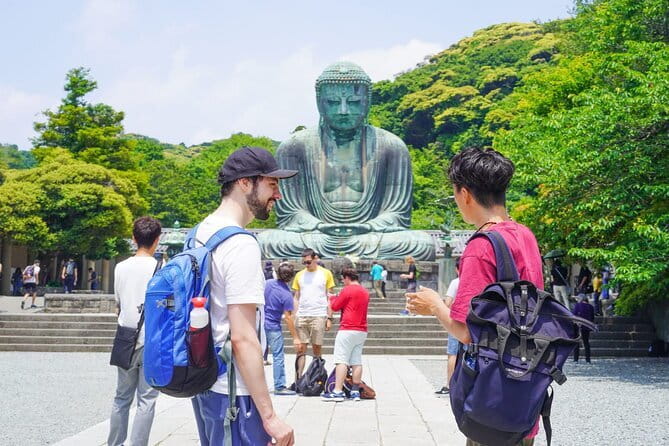
Kotoku-in is where you get the visual anchor. You spend about 30 minutes here, with admission included, and the Great Buddha is the main event. It sets the tone fast, because you immediately feel how famous Kamakura is for monumental Buddhist art.
What I like about starting here is pacing. You begin with the landmark that most people come for, and then the rest of the tour becomes easier to understand. After you’ve seen the Great Buddha, later stops feel like different chapters of the same story.
Practical note: this stop is one of the easiest places to take your time. If you are doing the bike option, you still get enough minutes to pause and look, not just get a photo and move on.
Tsurugaoka Hachimangu Shrine: samurai roots and a calm walkway
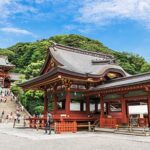
Next is Tsurugaoka Hachimangu Shrine, about 30 minutes, with admission free. This shrine is tied to the god of war and samurai, so it has a different energy than purely Buddhist sites. The grounds are designed for walking, with a clear path that makes it easy to soak in the atmosphere without sprinting.
This is also a good stop for learning through details. Your guide connects symbols and the setting to what mattered to people in earlier times. I like that the explanations stay practical and do not get so academic that you lose the sense of place.
For photos, this is usually a sweet spot because the approach feels orderly. You can take images without constantly negotiating crowds in the same way you might at the most famous super busy corners.
The grave of Minamoto no Sanetomo and Hojo Masako: short stop, strong meaning
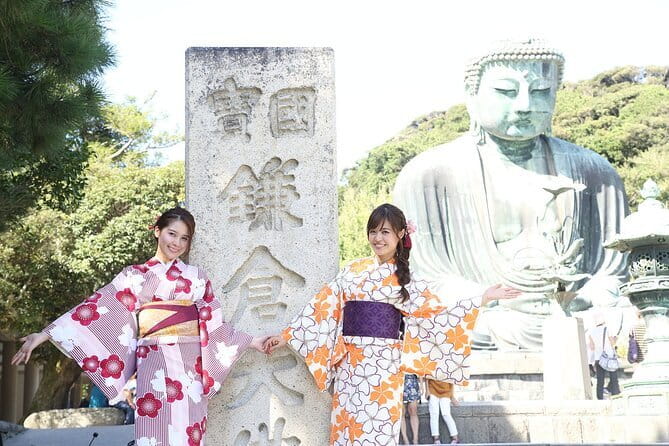
Then you shift into a quieter, more reflective moment: the Grave of Minamotono Sanetomo and Hojo Masako. It’s only about 10 minutes, and it is free.
This quick stop works because it adds context for the political side of Kamakura. The Minamoto and Hojo names are not just labels, they are tied to the shogunate power structure that formed here. If you like history you will appreciate this, and even if you do not, it helps the day feel less random.
Because the stop is short, you want to pay attention right away. Ask your guide to point out what is important and what is easy to miss at a glance, then take a few calm minutes to absorb it.
Hokoku-ji bamboo grove: the reset you didn’t know you needed
Hokoku-ji is about 30 minutes, with admission included. This is where the route turns from political and ceremonial to sensory and quiet. The bamboo grove setting creates a very different mood than the shrine spaces, and it is one of the best places on the day to slow down.
One of the most requested elements is how the guide uses this stop. You are not just walking under bamboo, you are learning what makes the temple experience different. The story style matters, because Hokoku-ji can feel like a photo stop unless someone connects it to the idea behind the place.
There’s also an optional matcha moment. At a cafe inside the Hokoku-ji area, green tea is listed as 500 yen. It is not required, but if you want a small, local pause, it helps the bamboo grove stick in your memory.
Yuigahama Beach: the seaside road break
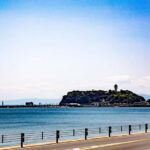
After Hokoku-ji, you get a very welcome switch to the coast. You ride or walk through the seaside road near Yuigahama Beach, described as a tranquil relaxing atmosphere. In summer, it gets busier with more people, so the vibe changes with the season.
This part is not just for a view. It is for rhythm. After several temple and shrine stops, your brain needs a different kind of input. Salt air, open space, and a slower sensory scene make the second half of the day feel lighter.
If you care about photos, this is a good time to use your camera more freely. You have less “must capture the landmark” pressure, so you can experiment with angles and shadows along the coast.
Hasedera Temple: gardens, coastline views, and the 9.18-meter Kannon
Hasedera Temple is about 20 minutes and free to visit. It is known for gardens and coastline views, which is exactly what you want after a beach stretch. This stop adds depth to the day because it shows how Kamakura’s religious sites also function as scenic lookouts.
A highlight here is the Kannon statue. The tour notes an impressive 9.18-meter tall wooden statue of Kannon, Goddess of Mercy. When you see a figure of that size, it changes how you think about scale and craftsmanship.
If you only have one practical goal for this stop, make it this: take your time looking up and around. The temple grounds are not meant to be glanced at from one angle. Let the views and the statue share your attention.
Egara Tenjin Shrine: scholarship energy before you head back
The last major stop is Egara Tenjin Shrine, about 10 minutes. This one includes admission and is dedicated to Sugawara no Michizane, the deity of scholarship and learning.
It’s a short finish, but that can be a good thing. You end the religious circuit on a different theme, and the shrine’s calm setting helps you land softly rather than rushing out of the final gate and feeling like you barely got started.
If you like small details, this is often where your guide can share quick meaning that makes the shrine feel personal. Because the time is limited, your best move is to listen, look once, then take a final photo or two to close out the day.
Why I think the price makes sense for a private 4-hour day
The price is listed at $150.24 per person for a private 4-hour experience. That sounds like a lot until you break down what you are paying for: a guide who plans the route, drives the pacing, and handles the stop-to-stop flow across Kamakura.
Also, two key admissions are included: the Buddha at Kotoku-in and entry to Hokoku-ji. Those add value because you are not scrambling for tickets mid-day, and your tour time stays focused on seeing rather than managing logistics.
The biggest part of the value is still the guide. Ichi’s background as an ex-rickshaw guide shows up in how smoothly he moves people around and how he explains what you are seeing. Reviews highlight his English and his storytelling style, including clear explanations of complex topics like the Bakufu’s significance in Kamakura.
So, if your ideal day is a guided, efficient Kamakura loop with built-in context and time to take photos, this price can feel fair. If you mainly want to wander on your own and already know the sites well, then the value depends on whether you personally benefit from the structured route.
What to bring, and how to get the most from your photos
This tour is simple, but you’ll enjoy it more with a few basics. Wear comfortable shoes, because even on a bike day, you still spend time getting on and off and walking short sections. Bring water, especially if you are doing the bike option in warm weather.
For optional spending, the tour lists green tea at 500 yen at the Hokoku-ji cafe, plus lunch is on your own. I like that your choices stay flexible, so you can keep costs under control.
If you care about photos, you should treat the day like a photo outing. The guide takes plenty of pictures, and the experience feedback says you can end up with a lot of great shots. Still, you should also pause yourself at each stop, because you will want a couple angles that are purely your style.
And for weather: the experience requires good weather. If conditions are poor, you are offered a different date or a full refund, depending on what happens.
Who this tour suits best
This tour is a strong match if you want a guided Kamakura experience that covers the core sights without turning your day into a commute. It’s also a good fit for people who like history but want explanations that stay clear and not overly long.
The private format works well with friends, couples, and small groups who want shared pacing. It also suits travelers who value photos, because the guide is actively capturing memories during the walk and ride.
If you have mobility limitations or you are traveling with kids under 13 who cannot ride an adult sized bike, you should think carefully. The tour is not recommended in that case, mainly because the bike option is a core part of the experience design.
Should you book this Kamakura bike or walk tour with Ichi?
Book it if you want a smooth, well-timed Kamakura day guided by someone who truly knows how to navigate these streets and explain the sites in plain language. I think the combo of Great Buddha at Kotoku-in, the hush of Hokoku-ji bamboo, and the seaside reset at Yuigahama gives you variety without chaos.
Skip it if you prefer total freedom with no structure, or if you cannot ride comfortably on an adult sized bike and walking alone would feel too intense for your group. Also consider your weather tolerance, since the experience depends on good conditions.
If you want Kamakura to feel organized, meaningful, and photo friendly, this is an easy yes in my book.
More Walking Tours in Kamakura
More Tours in Kamakura
More Tour Reviews in Kamakura
Not for you? Here's more nearby things to do in Kamakura we have reviewed


Kamakura Day Trips, side by side.
 ★ 4.5Kamakura & Enoshima Day Trip including Temple TicketsFrom $581,375 reviews
 ★ 4.5Mt. Fuji, Kamakura, Big Buddha, & Lake Ashi Day TripFrom $49867 reviews
 ★ 4.5From Tokyo: Kamakura & Enoshima 1-Day Bus TourFrom $66189 reviews
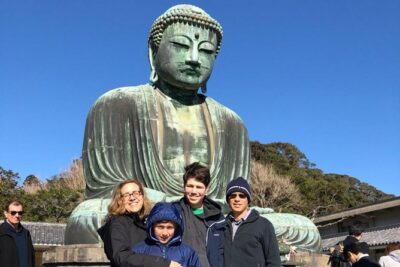 ★ 5.0Kamakura Historical Walking Tour with the Great BuddhaFrom $98129 reviews
 ★ 5.0Kamakura Private Tour: Temples, Nature, and the Great BuddhaFrom $98121 reviews
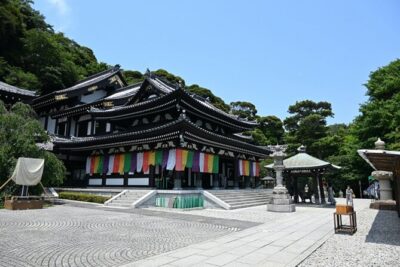 ★ 5.0Kamakura Walking Tour – The City of ShogunFrom $35100 reviews
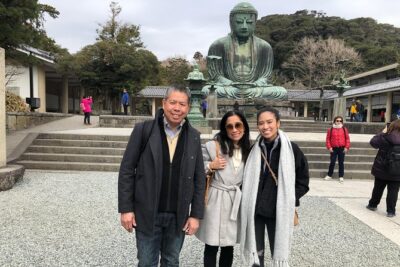 ★ 5.0Kamakura 8 hr Private Walking Tour with Licensed Guide from TokyoFrom $20180 reviews
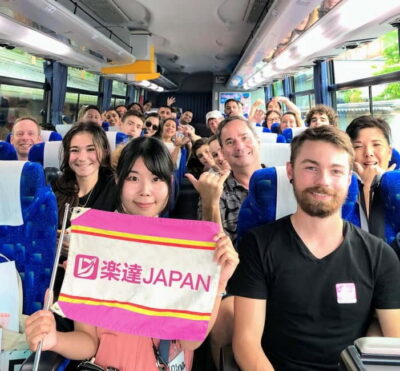 ★ 4.1Kamakura & Enoshima Day Tour with Pickup & Train RideFrom $1361 reviews
This tour also belongs to