
Review · KAMAKURA DAY TRIPS
Kamakura; First Samurai Capital walking tour
Kamakura’s past is right under your feet. This First Samurai Capital walking tour threads together Rinzai Zen temples, the Tsurugaoka Hachimangu shrine, and an 800-year-old craft story that still shows up in everyday life.
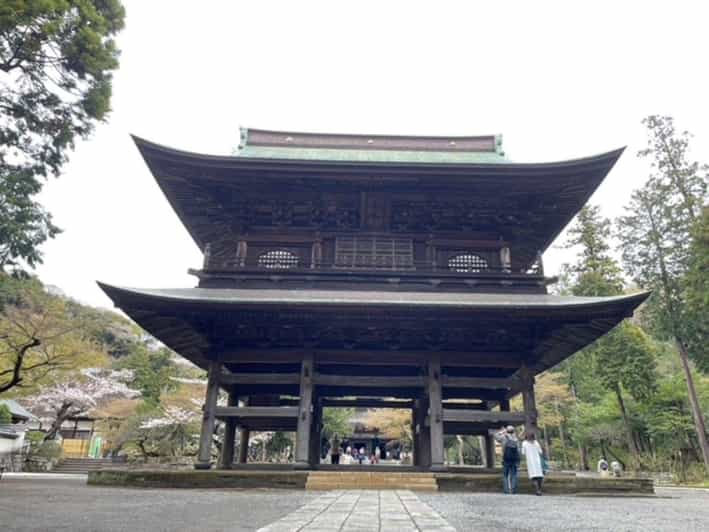
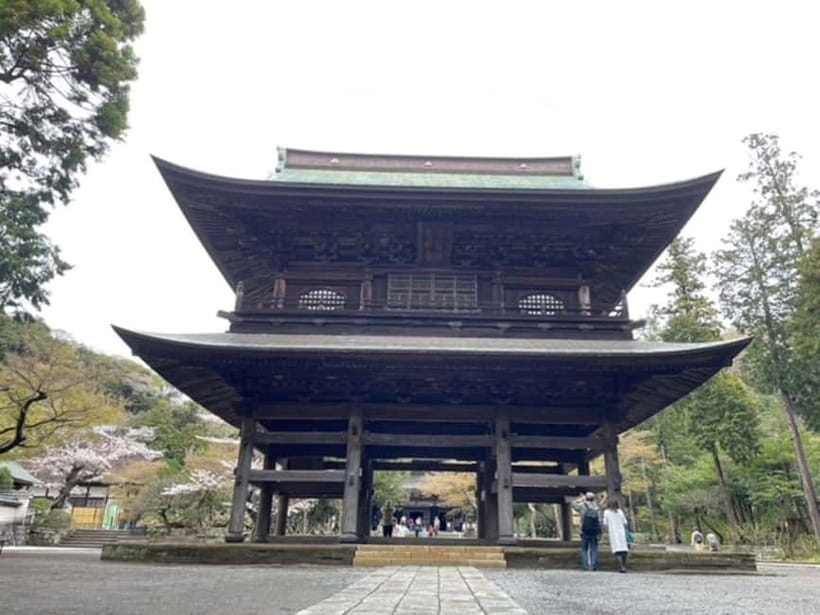
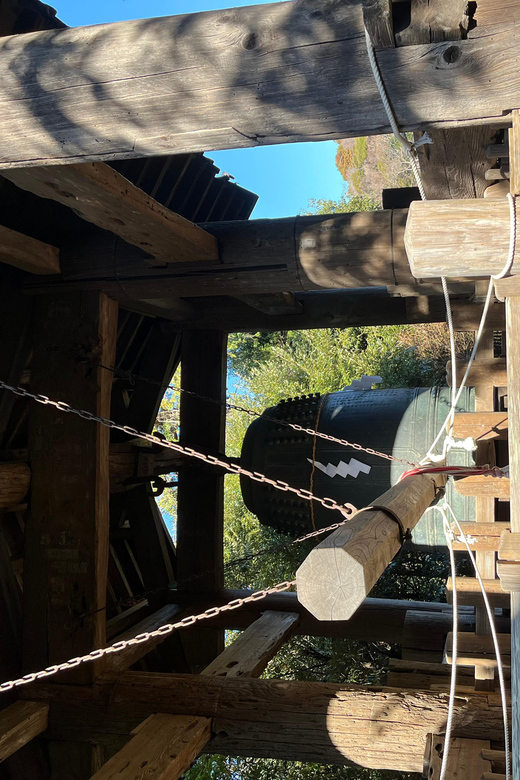
I especially like how the tour builds a clear timeline as you go. Engaku-ji is not just a stop, it is a lesson in Zen spaces, from the Sanmon Gate entrance to the Hatto dragon ceiling and the climb up to Bonsho, a national treasure bell.
The main drawback is physical effort. There are lots of steps and ups and downs, plus temple entry fees are extra, so if you are pacing yourself already, plan around that.
Key things I like about this Kamakura tour
- Small group of up to 4 with an English speaking licensed guide, so you get clear explanations and time to ask questions
- Engaku-ji details that matter, Sanmon Gate, Hatto ceiling artwork, and the 135-step push to Bonsho
- Tsurugaoka Hachimangu and Dankazura, including a 450m walkway and a hilltop view over Kamakura
- Kamakura lacquerware as a real craft, with a visit to a museum showing works from the Muromachi period to today
- A simple end point at the Kamakurabori Museum area, where you can keep browsing or grab a bite
Why Kita-Kamakura is the smart place to start
Starting at Kita-Kamakura Station keeps the day calmer than jumping into the busiest parts first. The whole route is designed around the idea that Kamakura’s most important Zen and shrine sites are not just scenic, they also sit in an order that makes historical sense.
You meet at the Kita-Kamakura Station east exit, outside the ticket gate. If you are arriving from Tokyo, the Yokosuka line is the one that stops at Kita-Kamakura, so plan your train around that. The platform is long, so ride in the carriage closest to the driver, then exit at the ticket gate near the front for trains heading toward Zushi, Yokosuka, and Kurihama.
That train detail is not just trivia. It helps you avoid crossing the wrong direction and accidentally wandering into the rail crossing area. The meeting instructions are strict about not crossing the railroad to get to the other side, so follow your guide’s cues once you are there.
You can also read our reviews of more walking tours in Kamakura
Engaku-ji Zen Temple, Sanmon Gate to Bonsho bell
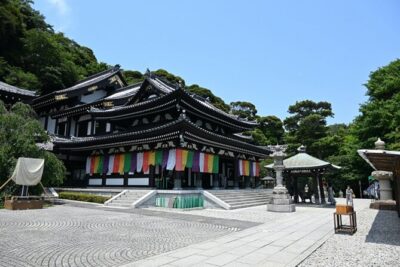
Engaku-ji is the second most important Zen temple in Kamakura, and the tour gives you a guided walk through the major spaces instead of a quick glance from the gate. You begin with the Sanmon Gate, which sets the tone for what you are about to see, big architecture, formal layout, and that distinct quiet Zen atmosphere.
Inside, you head to the Butsuden, the Buddha Hall, to admire the Buddha statue. One practical note: the Butsuden is listed as closed for maintenance until 2027, so depending on your visit timing, you might spend less time there than you would on a normal day. Even with that, you still get the key teaching spaces next.
From there you move to the Hatto, also called the Dharma Hall. The ceiling painting of a dragon is the kind of detail that makes the temples feel alive rather than purely architectural. Then comes the part that many people underestimate, the stair climb up to Bonsho, the temple bell.
You climb 135 stairs to see Bonsho, a national treasure. The tour frames it as your reward for the effort, and that is a fair way to think about it. You do not do that climb for a postcard photo only, you do it to feel the temple’s rhythm and hierarchy in your body.
Kencho-ji, where the Zen scale gets bigger
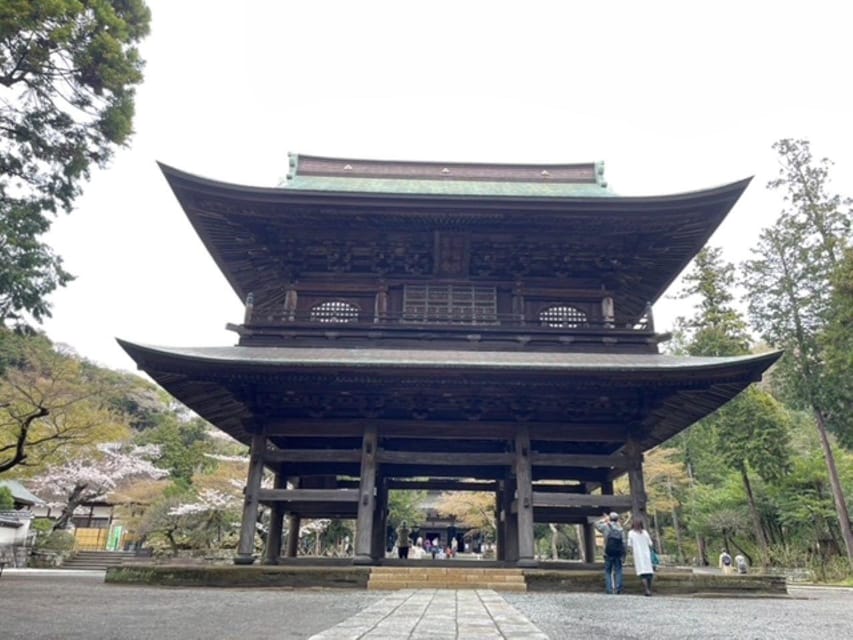
After Engaku-ji, you head to Kencho-ji. This is the most prestigious Zen temple in Kamakura, so the tour pacing shifts into a larger, more grand style of what you expect from a top-tier site.
The experience here is less about one single dramatic moment and more about noticing how Zen design communicates order. You visit the major gates and halls, and the guide helps you understand why these spaces are arranged the way they are, not just what they are called.
If you are the type who likes learning how the layout supports the message, you will probably get a lot out of Kencho-ji. Even if you have visited other Japanese temples before, having a guide connect the dots between ritual spaces and the Zen aesthetic can change how you read the buildings.
Tsurugaoka Hachimangu, Dankazura and hilltop views
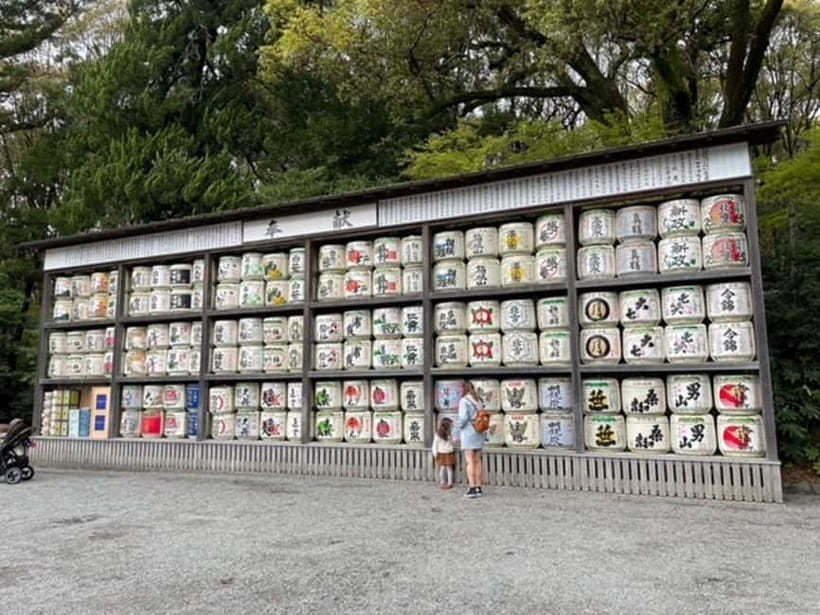
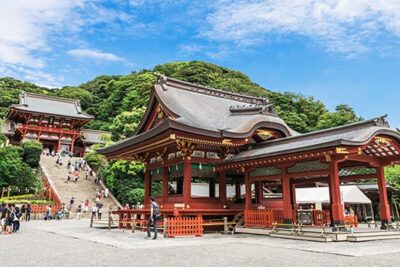
Tsurugaoka Hachimangu is the shrine that makes Kamakura feel like a named place in Japan’s national story. It was built to display and impress the power of the first Shogun, and it has remained a symbol of Kamakura ever since.
The shrine is dedicated to Hachiman, the kami tied to good fortune in warfare. That matters here because Kamakura was not only about monasteries and contemplation. It was also a power center, and the shrine’s scale and prominence reflect that.
The tour climbs toward the top of the hill, and that is where you get one of the best payoffs of the day. From up there, Kamakura’s streets and hills make more sense, and you can picture why anyone would build a monument in this position.
Then you walk through Dankazura, a 450m walkway that originally extended from the seacoast. The shrine complex uses that straight approach to create ceremony as you move forward, and the route is also famous for cherry blossoms when the timing is right.
You enter grounds via the Third Torii gate, then walk toward the Second Torii gate, which is the current starting point of Dankazura. The tour keeps you oriented so you do not feel like you are just bouncing between gates. You see the line, you understand why the line matters, and you end up appreciating the walk as part of the shrine, not just a path between attractions.
Kamakura lacquerware and Kamakurabori Museum, craft you can take home
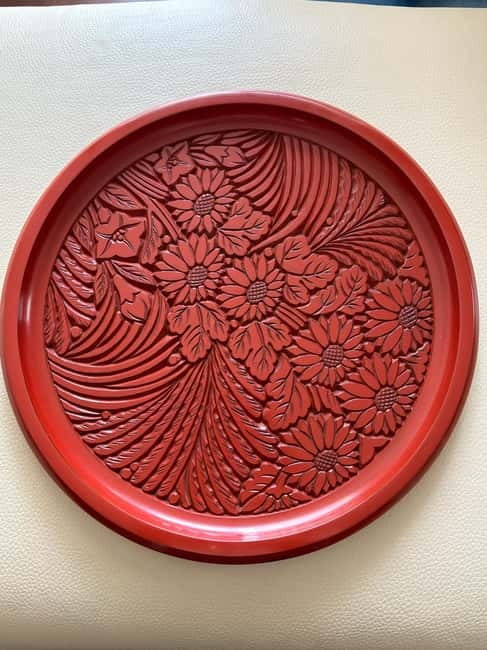
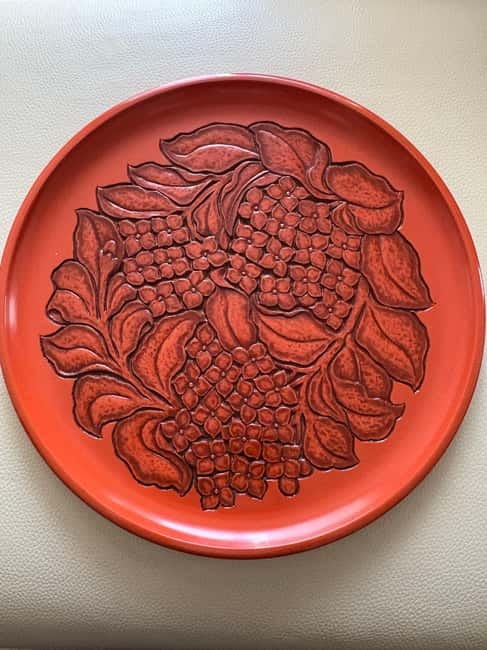
The last stretch adds something smart to the day: an 800-year-old craft tradition. Kamakura lacquerware is described as a traditional craft originally made by Buddhist sculptors, and the tour ties it to how religious art and everyday objects eventually mixed.
It also helps that the tour keeps the craft grounded. During the Edo period, Kamakura lacquerware spread beyond Buddhist ritual items, and daily goods began to be produced. Today it is still connected to tea ceremony culture, which makes the objects feel less like souvenirs and more like tools for a lifestyle.
You visit the Kamakura Lacquerware Museum, where you can see works from the Muromachi period through to the present day. Admission to the museum is included in the tour price, which is a small but real piece of value. The guide also shows you what to look for, so you might notice differences in design and technique instead of only appreciating the final shine.
The tour finishes at the Kamakurabori Museum area, including a local gift shop and cafe. That ending works well because you can keep browsing at your own pace, and you are already in the right place to grab something if you want to keep your day going without rushing.
Price, temple fees, and how to budget for the day
The tour price is $63 per person, and the total time is 210 minutes, about 3.5 hours. For that, you get an English guided walking tour with a licensed guide plus admission to the Kamakura Lacquerware Museum.
Temple admission fees are extra, roughly ¥500 per temple. Based on the stops, you should assume you will pay entry fees at multiple sites, and you will want a bit of cash ready. If you are interested in a goshuin, it is listed as about ¥500, so add that too rather than hoping it falls into the included cost.
One thing to be aware of: food and drinks are not included. The tour is a morning style experience, so you might want to eat before you start or keep your lunch plans flexible after you finish.
Value wise, I think the best part is the guide time. You are not only walking through famous names like Engaku-ji and Kencho-ji, you are being taught how to read them: gates, halls, ceilings, and the reasons behind the layout. That is hard to replicate if you self-tour.
Pacing, walking, and who this route fits
This tour is rain or shine, so you should dress like the weather will change your mind mid-day. Wear weather appropriate clothing and bring comfort-first shoes, because you will do a lot of walking and you also face stairs and uphill sections.
The 135 stairs at Engaku-ji to Bonsho are the obvious effort point. Tsurugaoka Hachimangu is also on a hill, so even if you are fine with stairs, you still need leg stamina for the route flow.
The tour is limited to a small group, up to 4 participants. That small number matters for pacing, because the guide can slow down for photos, explain details, and keep you together without rushing.
It is not suitable for wheelchair users, and it is also not suitable for people with a cold. There is also an age limit, not for people over 95. If you are in that range, you will likely feel the route more than you enjoy it.
Getting the most out of your English guide
Even with basic interest in Buddhism, the guided component is where the trip turns into more than sightseeing. A good example from recent experiences is how the guide’s explanations connect Zen basics with temple styles and the visual message inside the halls.
In English, that can be the difference between seeing dragon artwork on a ceiling and understanding why that detail belongs in the Dharma Hall experience. It also helps you understand how Kamakura’s role influenced samurai culture and how echoes of that influence show up later in arts like Kamakurabori and lacquerware.
If you want the day to feel coherent, bring a short list of questions. Ask about how Rinzai Zen shapes what you see, or how power in the Kamakura era shows up in shrine design. The tour structure gives you enough time that your questions do not feel like an interruption.
Should you book this First Samurai Capital walking tour?
Book it if you want a focused Kamakura day that mixes Zen temples and a shrine tied to the first Shogun, then ends with a craft museum stop that feels meaningful. The small group setup and the guide-led explanations add real value for the money, especially if you like architecture, religious spaces, and cultural context.
Skip it, or choose a gentler alternative, if you do not like stairs or you know you will struggle with uneven terrain and uphill stretches. If you already plan to visit only the biggest hits quickly, this is a better fit when you actually want to slow down and learn.
Bottom line: this is a smart, efficient way to experience Kamakura beyond the postcard view, with the kind of temple-to-temple storytelling that makes the city click.
FAQ
Where is the meeting point for the tour?
You meet at Kita-Kamakura Station, east exit, just outside the ticket gate. Follow the station tips carefully, since the platform is long and you need to exit at the correct gate.
Which trains stop at Kita-Kamakura Station?
The Yokosuka line is the only train that stops at Kita-Kamakura Station.
Is the tour in English?
Yes, the live tour guide speaks English.
How long is the tour?
The duration is 210 minutes, about 3.5 hours.
What is included in the price?
The price includes the 3.5 hour walking tour in English with a licensed guide, plus admission to the Kamakura Lacquerware Museum.
What is not included?
Temple admission fees (about ¥500 each), food and drinks, hotel pick-up and drop-off, transportation fees, and other personal expenses are not included.
Will I be able to see everything at Engaku-ji?
The Butsuden is listed as closed for maintenance until 2027, so your viewing there may be limited depending on your visit date. Other parts like Hatto and Bonsho are still part of the route.
Is the tour canceled if it rains?
No. The tour takes place rain or shine.
Is this tour suitable for everyone?
It is not suitable for wheelchair users, people with a cold, or people over 95 years. It also involves a lot of walking and stairs, so comfortable footwear is essential.
More Walking Tours in Kamakura
More Tours in Kamakura
More Tour Reviews in Kamakura
Not for you? Here's more nearby things to do in Kamakura we have reviewed


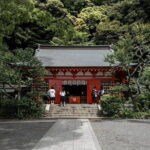

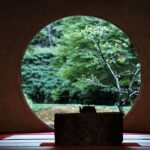
Kamakura Day Trips, side by side.
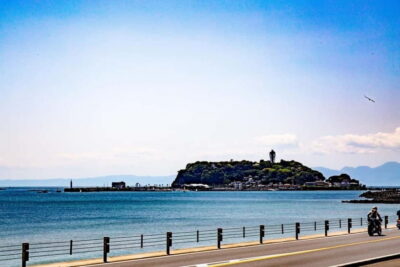 ★ 4.5Kamakura & Enoshima Day Trip including Temple TicketsFrom $581,375 reviews
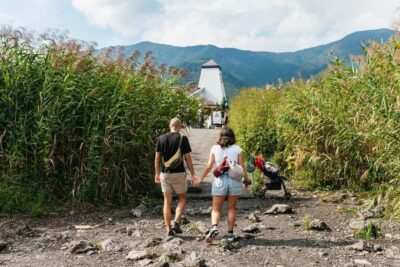 ★ 4.5Mt. Fuji, Kamakura, Big Buddha, & Lake Ashi Day TripFrom $49867 reviews
 ★ 4.5From Tokyo: Kamakura & Enoshima 1-Day Bus TourFrom $66189 reviews
 ★ 5.0Kamakura Historical Walking Tour with the Great BuddhaFrom $98129 reviews
 ★ 5.0Kamakura Private Tour: Temples, Nature, and the Great BuddhaFrom $98121 reviews
 ★ 5.0Kamakura Walking Tour – The City of ShogunFrom $35100 reviews
 ★ 5.0Kamakura 8 hr Private Walking Tour with Licensed Guide from TokyoFrom $20180 reviews
 ★ 4.1Kamakura & Enoshima Day Tour with Pickup & Train RideFrom $1361 reviews
This tour also belongs to