
Review · KAMAKURA DAY TRIPS
Kamakura Full-Day Private Tour
A private Kamakura day beats the herd. I like this tour because a private guide helps the big sights make sense, and it runs on public transport so you can cover ground without complicated logistics. The trade-off is you do need a moderate walking level, and most temple admissions and food are on you.
You start and finish at Kamakura Station, so the day feels easy to plug into your trip. With an English speaking professional guide, you can ask questions and go at the pace you want instead of orbiting a group. You’ll also get a mobile ticket, which is handy for a smooth start.
The best part is the lineup, from ocean-air spirituality to a bamboo forest that feels like stepping into another temperature. If the weather turns, the tour notes good-weather reliance, so you should plan to be flexible.
Key highlights worth knowing
- Private guide for real explanations, not just photo stops
- Public transport routing, built for a full day without a car
- Hase-dera, Kotoku-in, Hokoku-ji, and Tsurugaoka Hachiman in one run
- Bamboo temple time for that cool, quiet change of pace
- Komachidori street stroll for snacks and small shops at day’s end
Why This Private Kamakura Day Works When You Want More Than Photos
Kamakura is one of those places where the streets and temples can feel overwhelming if you show up cold. This tour solves the main problem: you spend less time figuring out where to go next, and more time seeing the meaning behind what you’re looking at.
I also like that it’s built around a tight loop with start and finish at Kamakura Station. That matters because you do not want a half-day plan where you lose half your energy just getting back to your base. Here, you get a full day rhythm, around 6 hours 30 minutes total.
You get to keep your own pace too. That’s the advantage of private, even when the route is structured around major sites. If you want extra time at a view or want to slow down for stairs, you can usually do that.
You can also read our reviews of more private tours in Kamakura
Price and Value: What $162.59 Buys You Here
At $162.59 per person, you are paying for an English speaking professional guide and the private experience. That price is easier to justify if you care about understanding what you’re seeing, because the guide’s job is to translate the atmosphere and context into something you can actually use.
You also get a pretty efficient hit list for one day: Hase-dera Temple, the Great Buddha at Kotoku-in, Hokoku-ji (the bamboo temple), Tsurugaoka Hachiman Shrine, and a walk down Komachidori. You’re not paying for a huge museum day. You’re paying for guided time in several classic Kamakura settings.
The main value catch is what is not included. Admission fees and public transportation to and from are on you, plus food and drinks. If you budget for those basics, the guide portion becomes the big win: you’re buying clarity and convenience.
Getting Around on Public Transport Without Losing Your Day
This is an economical tour that uses public transport to move between sights. For you, that usually means less waiting around than a car-based day and more flexibility if one section runs crowded.
The tour also starts near a major hub, Kamakura Station, which helps a lot. You meet at Kamakura Station 1-chōme-1-15 Onarimachi, Kamakura, Kanagawa 248-0012, Japan. From there, you can organize your own arrival and departure without building a complicated itinerary around a remote pickup point.
One more practical note: you should plan on moderate walking. Not “marathon” walking, but temples have steps and uneven grounds. If you’re traveling with mobility limitations, you’ll want to gauge your comfort with hills and stairs before you commit.
Hase-dera Temple: Flowers, Footsteps, and the Temple-View Feeling
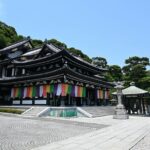
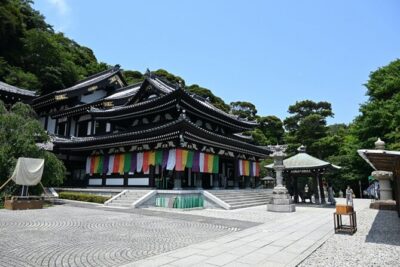
Hase-dera Temple is one of Kamakura’s most recognizable names, and the reason is simple. It has that classic temple experience, the kind where the grounds lead you gradually through garden-and-hall moments instead of just dumping you into one courtyard.
You’ll spend about an hour here, and you should treat it as a slow walk. The grounds are known for flowers in different seasons, and that seasonal planting is why Hase-dera has long been associated with the idea of a temple of flowers. Even if you visit outside peak bloom, you’ll still feel the design focus: it’s made for strolling.
A drawback to know up front: you’ll likely deal with stairs and paths. If you enjoy looking around but hate climbing, you might want to pace yourself. You can also ask your guide where the easier routes are so you don’t burn energy early.
Small cultural tip that can make this stop more meaningful: you may see people picking up omamori, charm-style good-luck amulets, during the visit. In one example shared through the tour’s history, a guest bought a driver’s safety charm for a car racer husband in Texas at this temple. That kind of detail is how Japanese temple visits connect to everyday life.
Kotoku-in and the Great Buddha: Outdoor Awe That Stays Calm
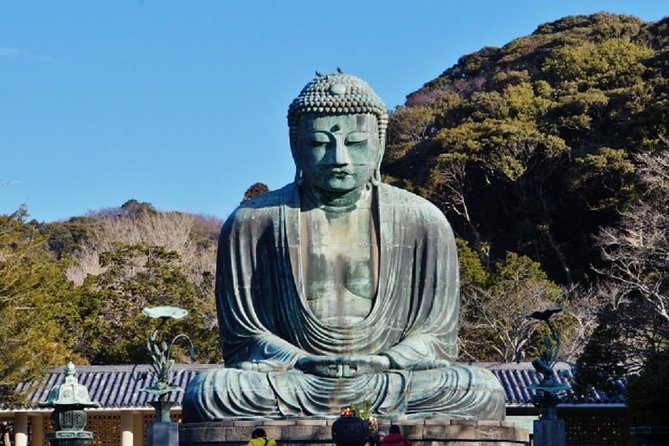
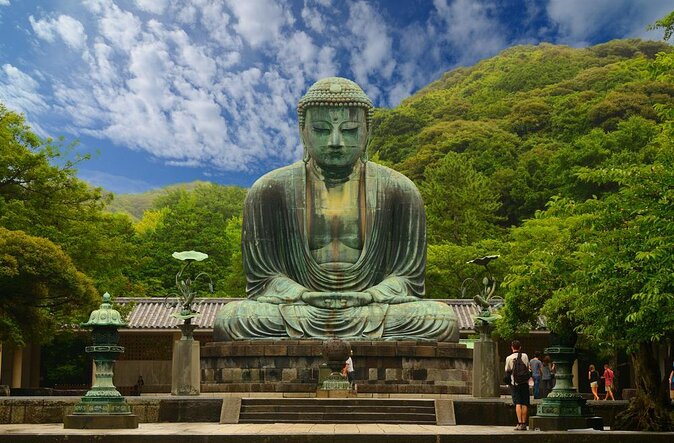
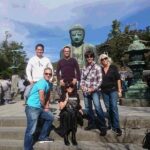
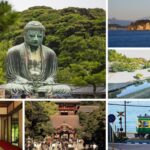
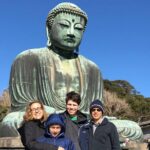
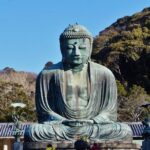
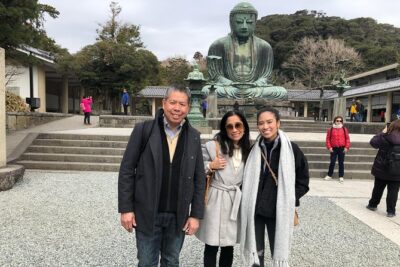
Kotoku-in is famous for the Great Buddha of Kamakura, an outdoor bronze statue of Amida Buddha. The statue is about 13.35 meters tall, and the outdoor setting is a big part of the impact. You are not staring at a protected indoor artifact. You’re standing in front of a giant presence in open air.
You’ll have about an hour at Kotoku-in. Use that time to look at the statue from different angles. Outdoor Buddhas tend to feel different as the light shifts, and the surrounding grounds set the mood.
Admissions are not included for this stop, so build that cost into your day. I also suggest you budget a little extra time for where you take photos. This is a high-visibility landmark, so even in a well-run day, you can hit slowdowns around the most photographed viewpoints.
If you’re the kind of traveler who likes “one iconic thing done right,” this is the stop. It’s straightforward. You get the point quickly, and the guide’s explanation helps you see beyond the postcard.
More Tokyo tours and experiences for the shortlist

Hokoku-ji Bamboo Temple: Cool Air, Quiet Steps, and That Mysterious Feel
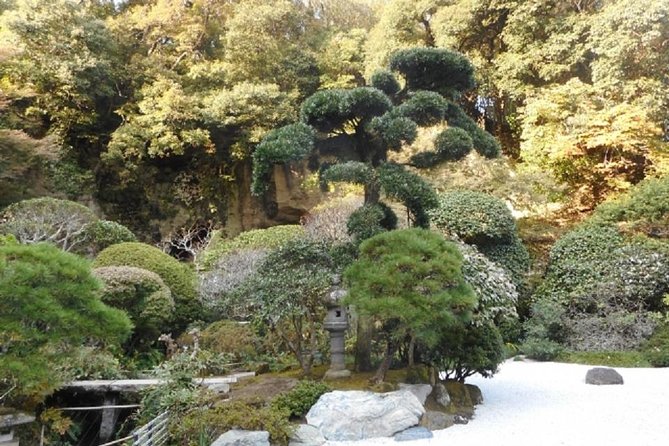
Hokoku-ji is often called the bamboo temple in Kamakura, and the bamboo garden is the star. You’ll spend around an hour here, and that’s the right amount of time because the experience is not about speed. It’s about atmosphere.
The bamboo garden can feel cool and mysterious, even when the rest of the city is warm. This is a great contrast stop after Hase-dera and Kotoku-in. Your senses get a reset: fewer broad open-sky views, more enclosure, more green texture.
Practical consideration: bamboo temple walking can be a little slippery depending on ground conditions. If it has rained recently, take your time. Your guide can help you pace the route through the precinct so you do not rush and slip.
Another practical note: admission is not included, so you will pay for this portion separately. Still, the payoff tends to be worth it because it’s one of the few places in Kamakura where the environment does the storytelling for you.
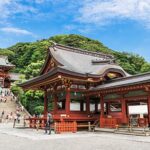
Tsurugaoka Hachiman Shrine: War Gods, City Center Energy, and Ritual Space
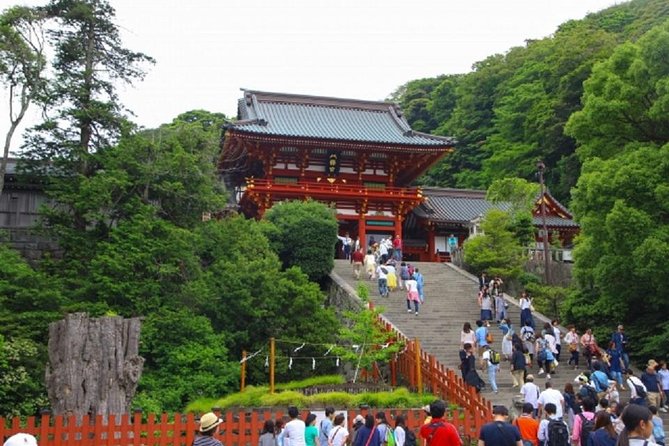
Tsurugaoka Hachiman Shrine sits in the middle of Kamakura, so it’s the point where temple calm meets city movement. The shrine is historically linked to the home of gods of war, which gives it a different flavor than many places that focus on general blessings.
You’ll spend about an hour here. That time is ideal for walking through the shrine approach and then taking a moment to just watch how the space feels. If you like architecture and ceremonial design, this is one of your best stops. If you prefer quiet, you can use your guide’s timing to find a slightly less crowded pocket.
Admissions are not included here either, so remember to keep your temple budget ready. Also, because this is central, it can feel busier than the outskirt sites. If you hate crowds, ask your guide about the best time-of-day moment for quieter viewing while still keeping the full day on track.
Komachidori: A 30-Minute Street Stroll for Snacks and Small Finds
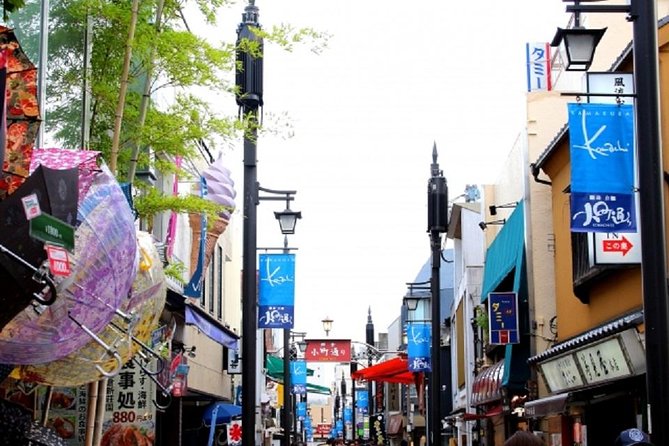
After temples and gardens, you get a gentler finale with Kamakura Komachidori. It’s about 30 minutes and admission is free, so you can treat it as flexible time rather than another ticket checkpoint.
Komachidori is the kind of street where you can grab a snack, browse unique shops, and pick up small gifts. This stop is valuable because it anchors the day in everyday Kamakura, not just sacred space.
What I suggest: go in with a plan for what you want to eat or buy. If you browse without a target, 30 minutes can vanish fast. If you do have a target, you’ll feel like the day ended right, not rushed.
How the Private Guide Changes the Whole Day
The biggest advantage in your day is not speed. It’s understanding. When you have a real English speaking guide, you can ask why a place is famous, what to notice, and how the different sites connect in Kamakura’s story.
The reviews tied to this tour highlight that guides can be both prepared and warm. Names like Yumi and Harry San show up with praise for being knowledgeable and friendly, and the tone suggests a guide who actually wants you to enjoy the day, not just complete stops.
You’ll also see how personal conversation can make the day feel human. One example includes a discussion of life in Darwin for two years, with the guide reminiscing as the tour moved along. That matters because it turns temple walking into a shared conversation instead of a lecture.
And a small but memorable point, the charm buying at Hase-dera. Little rituals like that help you understand why people visit. It’s not only sightseeing.
Who Should Book This Tour (and Who Might Rethink It)
This private full-day tour suits you if you want:
- A structured day that hits multiple Kamakura landmarks
- English explanations so you’re not wandering with guesswork
- A private pace where you can slow down when something catches your eye
You might reconsider if you:
- Hate stairs and uneven temple paths, since the walking is described as moderate
- Prefer fully independent travel and are comfortable setting your own transit route and timing
- Want food included, since food and drinks are not part of the tour
If you’re traveling as a couple, this often makes sense because you’re paying for guide time but splitting costs across fewer people. Families can also like it, but you’ll need to judge stamina for the day.
Booking Timing and Weather: The Two Things That Decide Your Comfort
Kamakura can be great in many seasons, but the tour notes that it requires good weather. If it’s canceled for poor weather, you’re offered a different date or a full refund. That is important because bamboo and outdoor temples are more enjoyable when the ground is dry and visibility is good.
Also, this experience is often booked about 19 days in advance on average. If you’re traveling in a busy season or on a weekend, I’d treat that as a reminder to book earlier rather than waiting for last-minute availability.
Should You Book This Kamakura Private Full-Day Tour?
Yes, if you want a guided Kamakura day that stays practical. This tour has a tight set of must-see stops, and the private guide angle is what turns those stops into an experience you can remember with context.
No, if you only want to check off landmarks and you’re comfortable building a route yourself with public transit. The sites are famous enough that you can find your way, but you won’t get the same explanation layer or the smooth pacing that a guide handles.
If you’re on the fence, think about your travel style. If you enjoy hearing what to look for, how places connect, and how the rituals work, the guide is the main reason to book. If you’re more of a wander-at-will traveler, you might be happier with a DIY day.
FAQ
How long is the Kamakura full-day private tour?
The tour is about 6 hours 30 minutes.
Where does the tour start and end?
It starts at Kamakura Station (1-chōme-1-15 Onarimachi, Kamakura, Kanagawa 248-0012, Japan) and ends back at the meeting point.
What is included in the price?
Included features are an English speaking professional guide and that it is a private tour.
What is not included?
Food and drinks are not included. Admission fees are not included, and public transportation to/from is also not included.
Do I need to pay temple admission fees during the tour?
Yes. Admission ticket details show that Hase-dera Temple, Kotoku-in, Hokoku-ji, and Tsurugaoka Hachiman Shrine do not include admission tickets. Komachidori is free.
Is this tour walk-intensive?
You should have a moderate physical fitness level, since a moderate amount of walking is required.
What kind of ticket will I receive?
You get a mobile ticket.
What happens if weather is poor?
The experience requires good weather. If it is canceled due to poor weather, you will be offered a different date or a full refund.
What is the cancellation policy?
You can cancel for free up to 24 hours in advance of the experience for a full refund. If you cancel less than 24 hours before the start time, the amount you paid will not be refunded.
More Private Tours in Kamakura

More Tours in Kamakura
More Tour Reviews in Kamakura
Not for you? Here's more nearby things to do in Kamakura we have reviewed

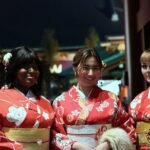
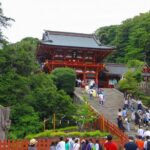

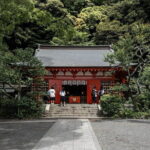

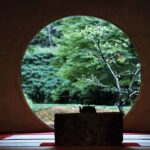
Kamakura Day Trips, side by side.
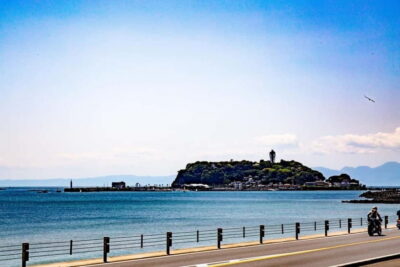 ★ 4.5Kamakura & Enoshima Day Trip including Temple TicketsFrom $581,375 reviews
 ★ 4.5Mt. Fuji, Kamakura, Big Buddha, & Lake Ashi Day TripFrom $49867 reviews
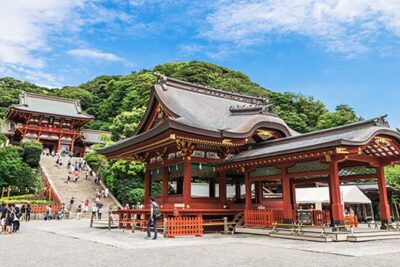 ★ 4.5From Tokyo: Kamakura & Enoshima 1-Day Bus TourFrom $66189 reviews
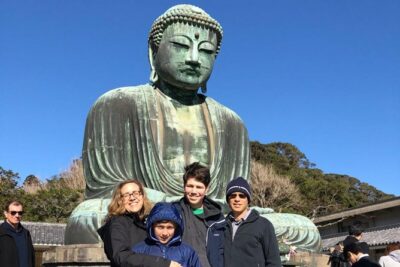 ★ 5.0Kamakura Historical Walking Tour with the Great BuddhaFrom $98129 reviews
 ★ 5.0Kamakura Private Tour: Temples, Nature, and the Great BuddhaFrom $98121 reviews
 ★ 5.0Kamakura Walking Tour – The City of ShogunFrom $35100 reviews
 ★ 5.0Kamakura 8 hr Private Walking Tour with Licensed Guide from TokyoFrom $20180 reviews
 ★ 4.1Kamakura & Enoshima Day Tour with Pickup & Train RideFrom $1361 reviews
This tour also belongs to