
Review · TOKYO TEA & SAKE EXPERIENCES
Japanese Sake Tasting & Wagyu Sukiyaki Cooking Class in Tokyo
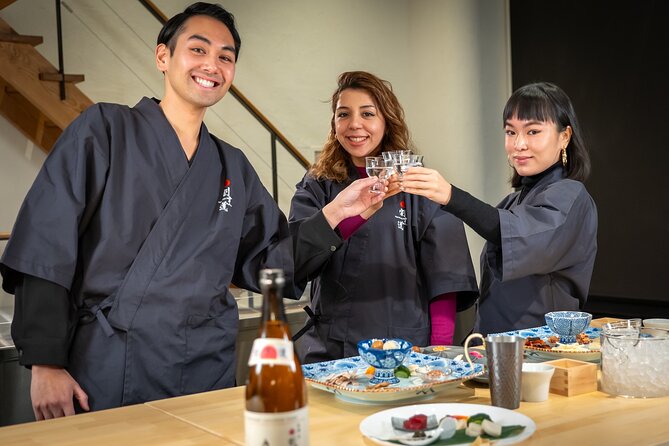
Sake tastes different by temperature. In this Tokyo workshop, I like that you get both a guided three-temperature sake tasting and then hands-on Wagyu sukiyaki cooking in the same 2-hour session. One heads-up: since the class includes alcohol and food pairing, it is not the best fit if you do not want to taste sake or plan to head out immediately after.
You meet at Kappodo H.Q, Tokyo D Kitchen Studio in Nishiazabu (Minato City, 2-chōme 21-12 DKビル) at 11:00 am, and the activity ends back at the same spot. The group stays small, up to 8 travelers, which makes it easier to ask questions. Past sessions have highlighted instructors such as Hiromi, with cooking led by chef Naoya and a Kano-style sukiyaki approach from Kimagai, so you can expect friendly, clear guidance as you learn and cook.
Key Things I’d Focus On Before You Go
- Three temperatures of the same sake: chilled, room temp, and warm to compare flavors in real time.
- Sake vessel talk: you learn how serving containers can change what you taste.
- Pairing snacks with pours: you taste with Japanese side dishes to train your palate.
- Live vegetable carving demo: while your sukiyaki simmers, a pro shows decorative knife work.
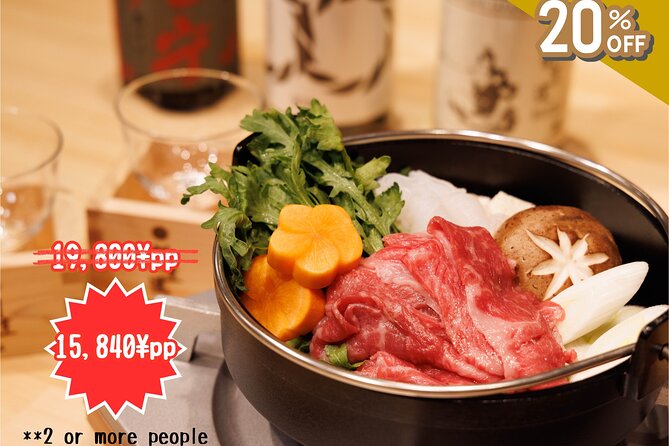
- Premium Wagyu sukiyaki lunch: you cook and then eat what you make.
- Small group size: up to 8 travelers for more interaction during the workshop.
A Tokyo Sake And Sukiyaki Class That Actually Teaches You How To Taste
Tokyo can be overwhelming food-wise. This experience is built to solve that problem by giving you a small, structured way to learn what matters. Instead of just sampling, you compare the same sake at different temperatures and notice how each one changes taste and aroma, then you carry that learning into your meal by pairing your hot pot with sake.
What I like most is the pacing. You start with sake tasting, then you shift to cooking, then you eat. That order matters because it turns tasting into a lesson you can use, not just a drink you finish.
And yes, it is a food experience, but it is also a cultural one in a practical way. You learn how temperature, serving style, and pairing can guide how Japanese hosts think about flavor. That is useful knowledge you can take beyond the class.
You can also read our reviews of more food & drink experiences in Tokyo

Nishiazabu Kitchen Studio Setup (Where You Go And Why It Matters)
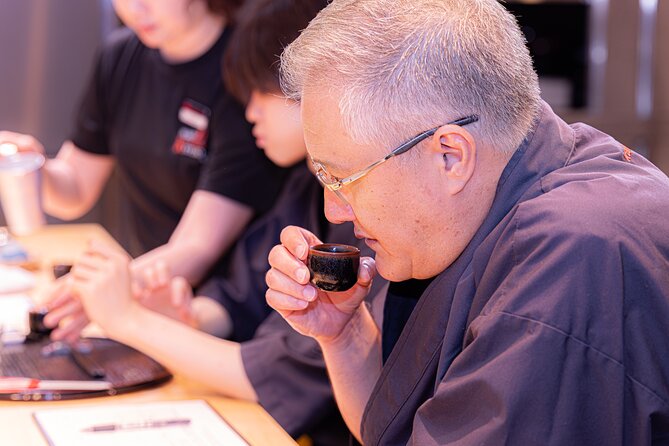
The meeting point is Kappodo H.Q at the Tokyo D Kitchen Studio, in Nishiazabu, Minato City, at 2-chōme 21-12 DKビル, with the activity starting at 11:00 am. It runs about 2 hours and ends back at the meeting point, so you do not have to plan for travel during the session.
This matters for two reasons:
First, you are in a purpose-built studio kitchen, not a random restaurant table. That usually means you are comfortable watching what happens and participating without feeling like you are in the way.
Second, the small group size, up to 8 travelers, keeps the experience from turning into a lecture. When you are tasting multiple sakes and cooking your own sukiyaki, small-group interaction helps. It also makes it easier to follow along when you have questions about taste, temperature, or the cooking steps.
Three Temperature Sake Tasting: The Simple Trick That Changes Everything
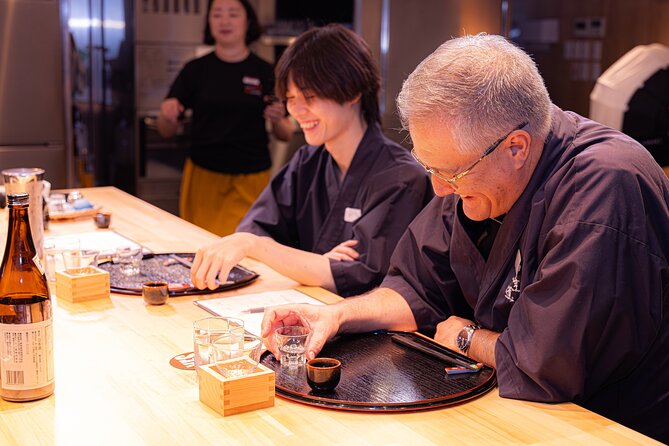
The tasting portion is the brain of the class. You sample sake at three temperature ranges, including chilled, room temperature, and warm. You are also able to try other types of sake beyond those temperature comparisons.
The most practical part is that you are not just asked to like it. You are encouraged to notice differences. A chilled pour can feel sharper and more refreshing. A warm pour can smell and taste more rounded and can bring out different aromatics. Room temperature often sits in the middle. Your job is to make those comparisons in your own mouth, not just listen to someone describe them.
You also learn that the vessel matters. In other words, you are tasting the same sake, but how it is served can affect your perception. That is one of those details that sounds small until you try it, then you suddenly understand why Japanese drink culture pays attention to presentation.
Snack Pairings: How To Use Food To Hear The Sake Better
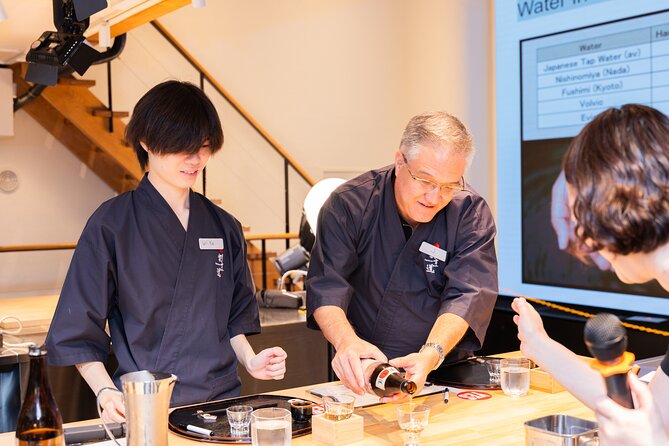
After each pour, you pair sake with selected Japanese snacks. This is a smart method because it stops your palate from getting confused by one flavor streak after another. Snacks help reset and they also highlight what each temperature does with food.
What to expect here is a training experience for your taste buds. You are learning how to think in pairings, which is useful in Tokyo outside the studio too. Once you start matching lighter flavors with certain notes, and stronger or warmer profiles with richer bites, sake feels less mysterious and more like a choice.
Based on participant feedback, this pairing approach also comes with a decent variety of side dishes. That variety matters because it gives you more than one data point before you move to cooking.
Watching Pro Knife Work While Your Sukiyaki Gets Going
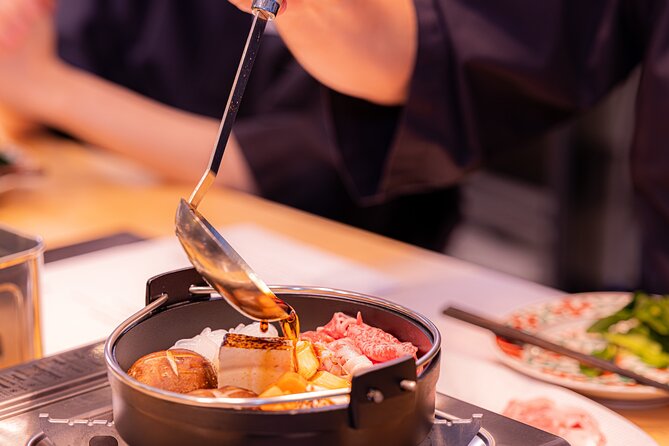
While your sukiyaki simmers, you get a live decorative vegetable carving demonstration by a professional chef. This is one of the visual parts of Japanese cooking that often gets missed when people rush through meals as if food is only about calories.
Here, the carving demo works as a timing tool too. You are learning and cooking at once, then the chef demo gives your group a shared moment to focus, look carefully, and appreciate technique. It also makes the waiting time feel purposeful, not like you are just waiting around.
Even if you are not a “knife skills” person, it is worth watching. It adds context for why presentation and seasonal detail are a big deal in Japanese food culture.
You can also read our reviews of more cooking classes in Tokyo


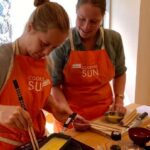
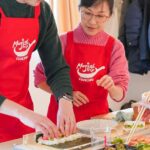
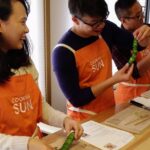
Hands-On Wagyu Sukiyaki: What You Actually Do In The Kitchen
After the sake tasting, you jump into a hands-on Wagyu sukiyaki workshop. The class includes lunch, and you cook and then savor your own hot pot.
The important detail here is that you are working with premium Wagyu beef. That changes the stakes. Sukiyaki is already comfort food, but Wagyu brings a richer fat profile and a softer texture that makes the whole dish feel more luxurious, especially when paired with sake.
What I would focus on during the cooking phase is learning the rhythm of hot pot cooking: timing, watching how ingredients respond, and understanding how the flavor builds as things simmer together. Even if you do not memorize every step, you will leave knowing how the dish is meant to be eaten.
And based on how people describe the experience, the cooking segment tends to be the highlight. When you create the meal yourself, the final tasting feels personal, not like you are just being served.
Pairing Your Hot Pot With Sake Like A Host
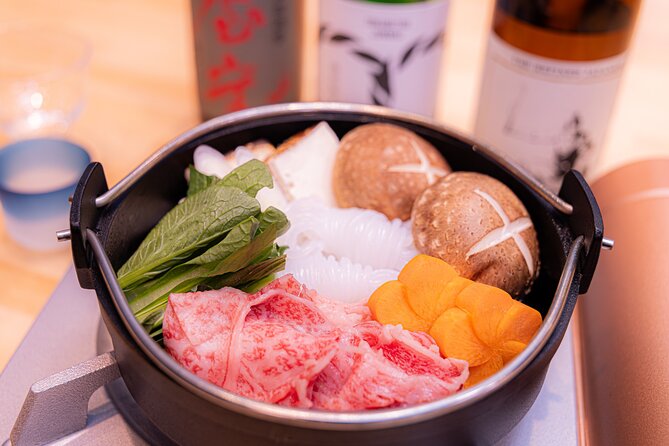
At the end, you savor your sukiyaki paired with sake. This is where the earlier tasting lesson pays off.
You are not starting from zero. You already compared chilled, room temp, and warm sake. Now you can match those experiences to your hot pot. Hot foods change how alcohol tastes, so it is helpful that you are doing it in the same environment and with guidance.
I like this approach because it gives you a repeatable idea. You do not need to become a sommelier. You just need to notice what gets brighter, what gets softer, and what tastes cleaner versus heavier.
Price And Value: Why $129 Can Make Sense In Tokyo
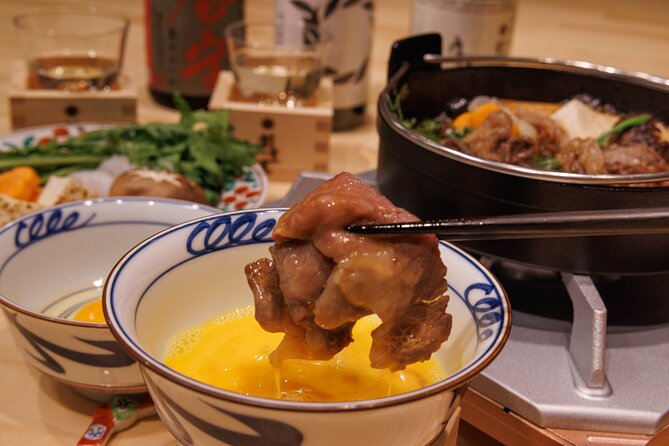
At $129 per person for an about 2-hour class, you are paying for more than a meal. You are getting:
- Sake available in three temperature ranges, plus other types
- Lunch: Wagyu beef sukiyaki
- All equipment used in the sake pairing lesson
- A certificate of participation
- A 10% discount at the 1F shop on the same day of your workshop visit
- A small group setup, with a maximum of 8 travelers
You also get a mobile ticket, which is a minor but real convenience in Tokyo.
The biggest value factor is that the experience combines tasting, explanation, and hands-on cooking in one block. Many food experiences are either “watch and eat” or “cook and eat.” Here, you learn how to taste first, then you cook with that understanding in mind.
One limitation to keep in mind: private transportation is not included. That is normal in Tokyo, but it matters when you plan your day. If you are already near Nishiazabu or you are using public transit anyway, it is easy. If you are coming from far across town, factor in commute time so you do not rush.
Who This Workshop Is Best For (And Who Might Prefer Something Else)
This is a strong choice if you want a structured, friendly introduction to Japanese food culture. It is also well suited for people who like hands-on activities more than museum-style sightseeing.
It tends to fit well for:
- Couples or small groups who want a meal with learning built in
- Foodies who are curious about how temperature and pairing change flavors
- Families looking for a shared activity, since families have taken the class together
It may not be ideal if:
- You do not want to taste sake at all, since alcohol is included in the tasting portion
- You prefer total silence and a long, unstructured sit-down dinner, since this is an active workshop format
Practical Tips So Your Class Feels Effortless
A few simple planning moves can make the experience smoother.
- Go with a clear schedule: it starts at 11:00 am and runs about 2 hours. You can treat it like a late morning meal plus class.
- Use the meeting point address you have: Kappodo H.Q, Tokyo D Kitchen Studio in Nishiazabu, Minato City at 2-chōme 21-12 DKビル.
- Expect a small group vibe: with up to 8 travelers, questions feel normal, not disruptive.
- If you love souvenirs, note the 10% discount at the 1F shop on the same day. That can be a nice way to bring home something related to the workshop after you cook and eat.
Should You Book This Japanese Sake Tasting And Wagyu Sukiyaki Class?
If your Tokyo plan includes eating really well and you also enjoy learning how flavors work, this is a smart booking. The three-temperature sake tasting is the kind of detail that sticks, and the fact that you cook Wagyu sukiyaki yourself makes the meal feel earned.
Skip it only if alcohol tasting is a deal-breaker for you, or if you want a purely passive dining experience. Otherwise, for $129, you are getting a compact meal experience with guidance, multiple sakes, snacks, a chef demo, and equipment included, all in a small studio group in Nishiazabu.
FAQ
How long is the Japanese sake tasting and Wagyu sukiyaki cooking class?
The class is about 2 hours.
What time does the class start?
The start time is 11:00 am.
Where is the meeting point?
You meet at Kappodo H.Q / Tokyo D kitchen Studio, Cooking Workshop, Japan, 106-0031 Tokyo, Minato City, Nishiazabu, 2-chōme 21-12 DKビル.
Is this class a small group?
Yes. The maximum group size is 8 travelers.
What is included in the price?
Sake (including three temperature ranges), lunch (Wagyu beef sukiyaki), all equipment for the sake pairing lesson, a certificate of participation, and a 10% off discount at the 1F shop on the same day.
What is not included?
Private transportation is not included.
What does the sake tasting include?
You taste sake at three different temperature ranges and you can also try other types of sake. The class also includes pairings with selected Japanese snacks and covers how vessels affect flavor.
Will I see a chef demonstration?
Yes. A professional chef provides a vegetable carving demonstration while the sukiyaki simmers.
How do I get the ticket?
You receive a mobile ticket.
Can I cancel for a full refund?
Yes. You can cancel for free up to 24 hours before the experience start time for a full refund.
Is the class offered in English?
Based on participant feedback included in the information provided, the workshop can be done in English.
More Cooking Classes in Tokyo
More Food & Drink Experiences in Tokyo

More Tour Reviews in Tokyo





Not for you? Here's more nearby things to do in Tokyo we have reviewed












Tokyo Tea & Sake Experiences, side by side.
 ★ 5.0Traditional Tea Ceremony with a Tea MasterFrom $38528 reviews
 ★ 5.0Sake Tasting Masterclass in Shinjuku (8+ Varieties with a Pro)From $72271 reviews
 ★ 5.0Tea Ceremony Workshop in Tokyo by the Experienced InstrucorFrom $38189 reviews
 ★ 4.9Asakusa: Kimono Tea Ceremony with Matcha and SweetFrom $66153 reviews
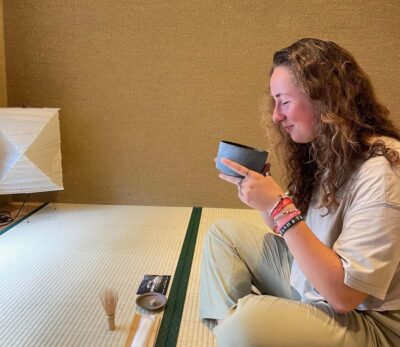 ★ 4.9Tea Ceremony Experience in a Private Tea Room in ShibuyaFrom $30125 reviews
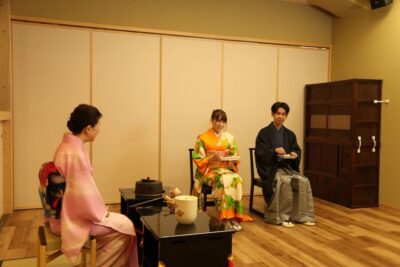 ★ 4.7Practicing Zen with a Japanese Tea CeremonyFrom $63105 reviews
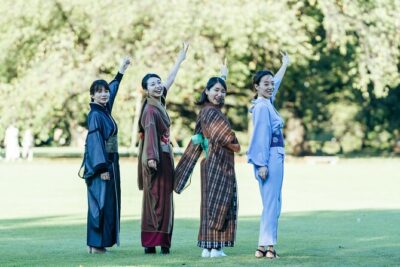 ★ 5.0Matcha Kimono Tea Ceremony in TokyoFrom $59104 reviews
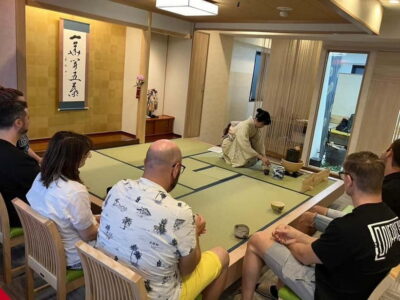 ★ 4.9Tea ceremony experience in Japanese-style room 60minFrom $4586 reviews
This tour also belongs to