
Review · TOKYO TEA & SAKE EXPERIENCES
Walking Tour: Yanaka,Nezu& Sendagi: Tea Ceremony & Old Tokyo
Old Tokyo shows itself at street level.
This walk through Yanesen (Yanaka, Nezu and Sendagi) feels like a step off the main Tokyo script, with Shitamachi-style neighborhoods, temples, and calm lanes that you do not see from the big-name districts. I especially like how the day mixes old-school streets with cultural stops, so you get both atmosphere and context, not just photos. One consideration: this is a walking day, so you will want comfortable shoes and a relaxed pace, especially around the shrine and park segments.
What makes the experience feel worth it is the way it turns sightseeing into real understanding. I like that you get a traditional tea ceremony with a hands-on moment of drinking from antique tea bowls, plus time in an art museum with rooftop views over Tokyo. A second big plus is the flow of the itinerary itself, starting at Yanaka and moving through Sendagi and Nezu so you can feel the neighborhood shifts as you go. The only drawback to flag up front is that the tea ceremony timing is folded into the day, so you should expect a schedule that moves steadily rather than long, random free roaming.
Key Points You Should Know Before You Go
- Yanesen focus means Yanaka, Nezu and Sendagi in one day, not a random pick of Tokyo highlights
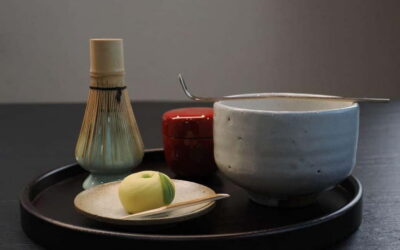
- Tea ceremony with antique tea bowls plus a traditional sweet (wagashi) as part of the experience
- Asakura Museum of Sculpture gives you a guided museum stop and rooftop terrace views over Tokyo
- Yanaka Cemetery and side streets add quieter, local texture beyond typical temple shopping
- Secret stop with food tasting adds a small, tasty detour during the walk
- Local English-speaking guide keeps the pace friendly, with room for questions
Enter Yanaka, Nezu and Sendagi, the Tokyo That Walkers See
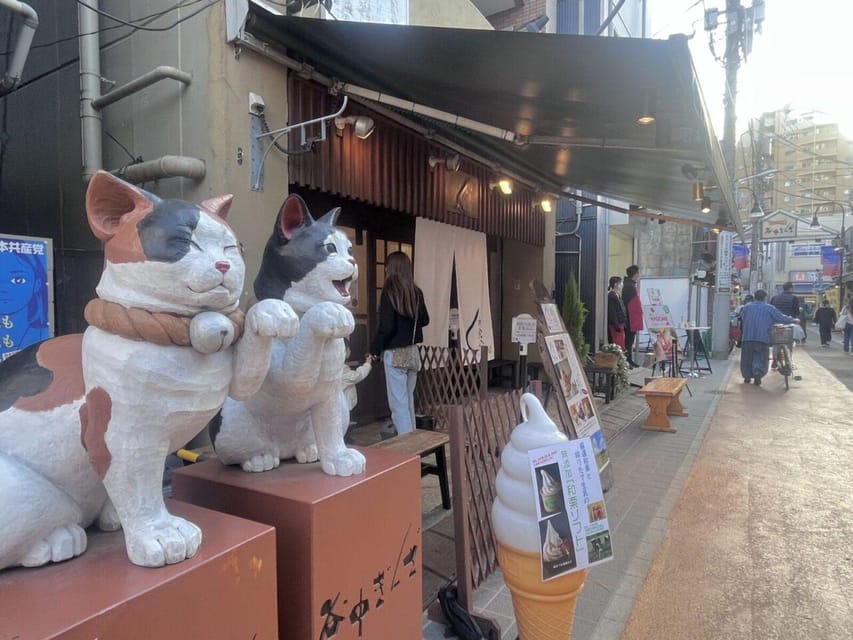
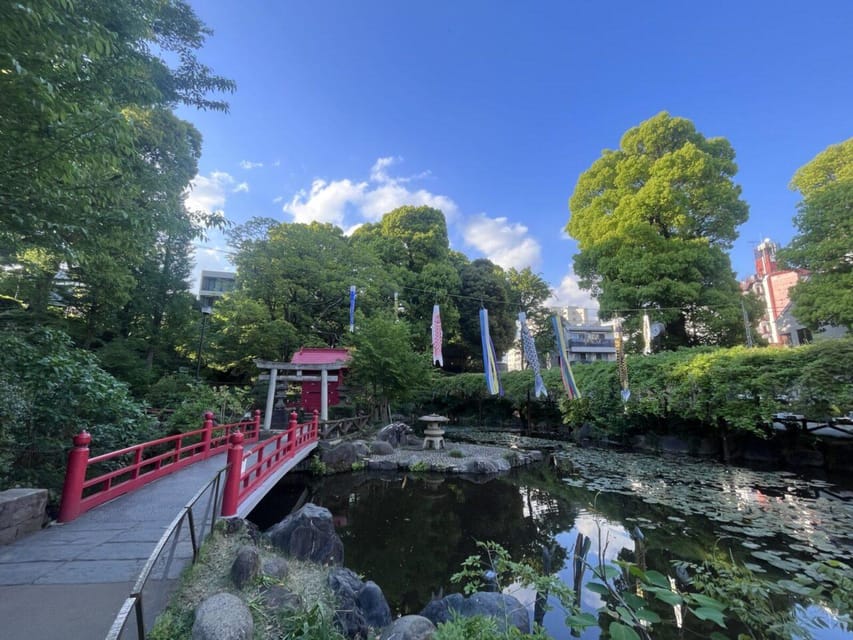
If Tokyo can be a blur of stations and skyscrapers, Yanesen slows things down. The draw here is that these three districts kept a strong Shitamachi feel, meaning the lower-city character where everyday life, small temples, and older streets still matter. You are not far from big Tokyo, but the mood shifts quickly once you start moving on foot.
This is also the kind of itinerary that makes Tokyo make sense. Instead of doing temple number five and shrine number six, you get a coherent arc: historic Yanaka, then Sendagi’s temple and park vibe, then Nezu’s shrine atmosphere. That sequencing helps your brain connect what you see to why it is there, from the architecture style to the neighborhoods’ rhythm.
And yes, there is plenty to look at. You will pass and visit places that feel calm and slightly unexpected, including a stop at Yanaka Cemetery and a guided look at Nedu-jinja Shrine. That quiet factor is part of why this tour works well as a “second Tokyo day,” especially if you already did the big museums or the major landmarks.
You can also read our reviews of more walking tours in Tokyo


Nippori Meeting Point: The Fast Start That Keeps You Stress-Free
The day begins at 10:30 outside Nippori Station, West exit. Meet by the red information board and post box, right in front of you when you exit the ticket gates.
Small detail, big outcome: use Nippori Station, not Nish-Nippori. Tokyo’s station names look similar, and losing 15 minutes to the wrong exit can throw off your whole rhythm on a one-day tour.
From the start, you can also tell the tour is designed for walkers. After meeting, you head on foot for about 10 minutes before the first main stop. That early walking stretch sets expectations, then the itinerary layers guided time and free time so you are never stuck in one mode for too long.
Yanaka Cemetery: A Quiet Place With Local Meaning
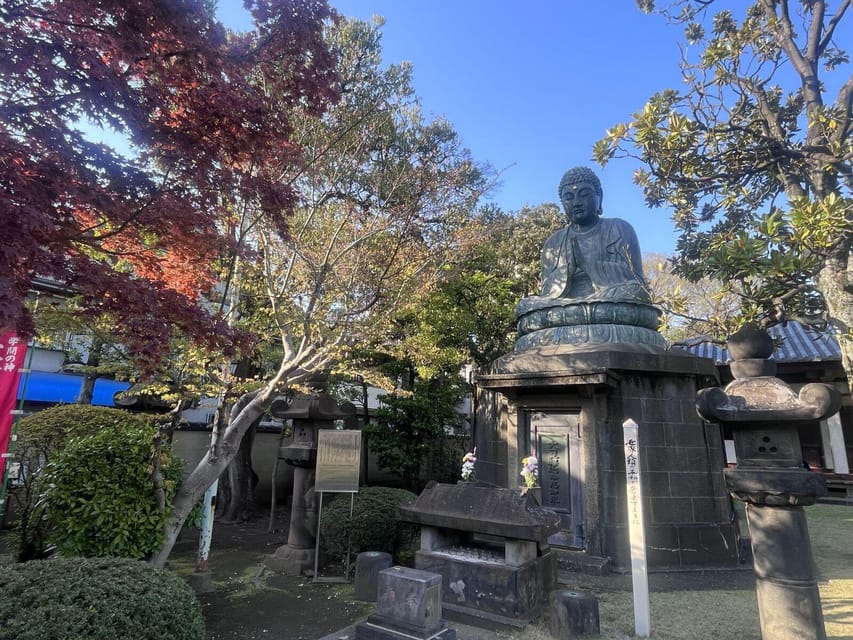
Yanaka Cemetery is not a typical “tourist first stop,” and that is exactly why it is effective. You get a guided visit and a chance to slow down, about 30 minutes of orientation and context. The surroundings tend to feel calmer than the neighborhoods you might associate with central Tokyo.
What I like about starting here is the tone. It helps you see Yanaka as an actual living area, not a theme park. And because you move through guided time, you pick up the kind of local context that makes the architecture and atmosphere easier to read later in the day.
A practical note: cemetery grounds can be uneven in spots. Go in wearing shoes you trust. You do not need hiking gear, but you do want grip and comfort.
A Secret Stop and Food Tasting: Small Bites, Real Character
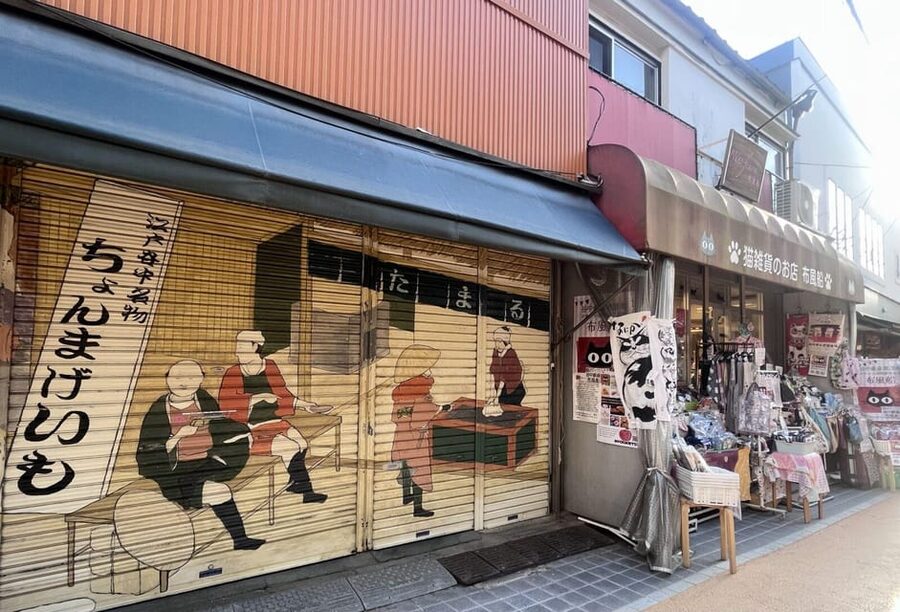
Between the cemetery and the main Yanaka district time, the itinerary includes a secret stop with guided time and food tasting for about an hour.
This is the kind of moment that can make a walking tour feel more personal. You are not just collecting sights, you are sampling local flavors in a setting that fits the neighborhood. Even if your Japanese is limited, the tasting component usually makes the experience easier to enjoy on the spot, because you are focused on what is in front of you.
Because the secret stop is time-boxed and structured, it also prevents that common walking-tour problem where free time becomes aimless. You get something guided, then you get to roam.
Yanaka District Free Time: Use It Like a Local
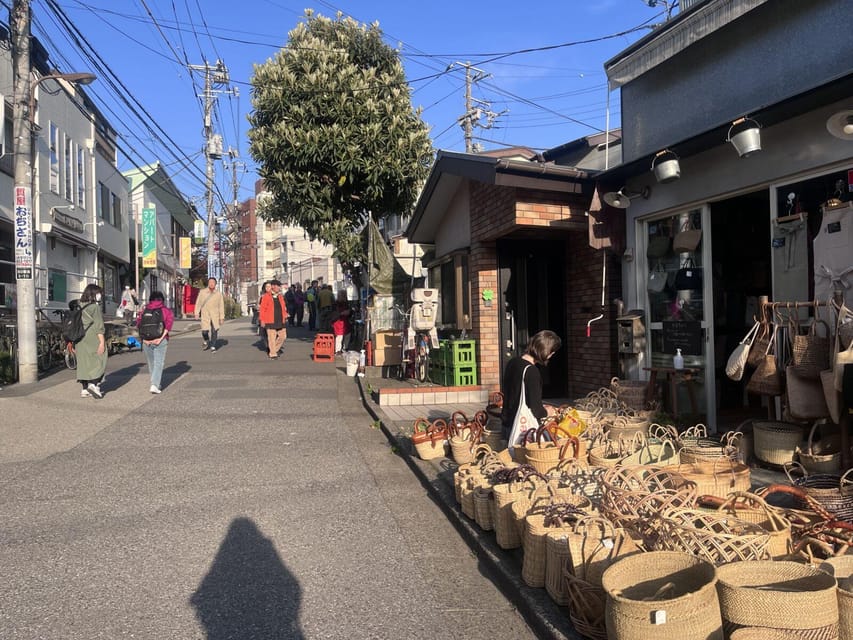
After that, you move into Yanaka District for about 80 minutes of free time. This is where you can steer the day toward what you personally care about, whether that is streetscapes, small shops, or simply finding a quiet corner to rest.
I like this length of free time because it is enough to wander, but not enough to drain your energy. You can also use it to replay your earlier impressions. If the cemetery made you notice the neighborhood’s quieter side, you will likely spot different details during your free roam, like older storefront styles, temple-adjacent lanes, or the small textures that show up in Shitamachi streets.
If you are the type who likes to take photos, bring enough battery and keep an eye on where you might want to re-enter the walking route later. The guide will keep the day moving, but your best use of free time comes from planning your walking return without rushing.






Tea Ceremony With Antique Tea Bowls: The Moment Tokyo Gets Personal
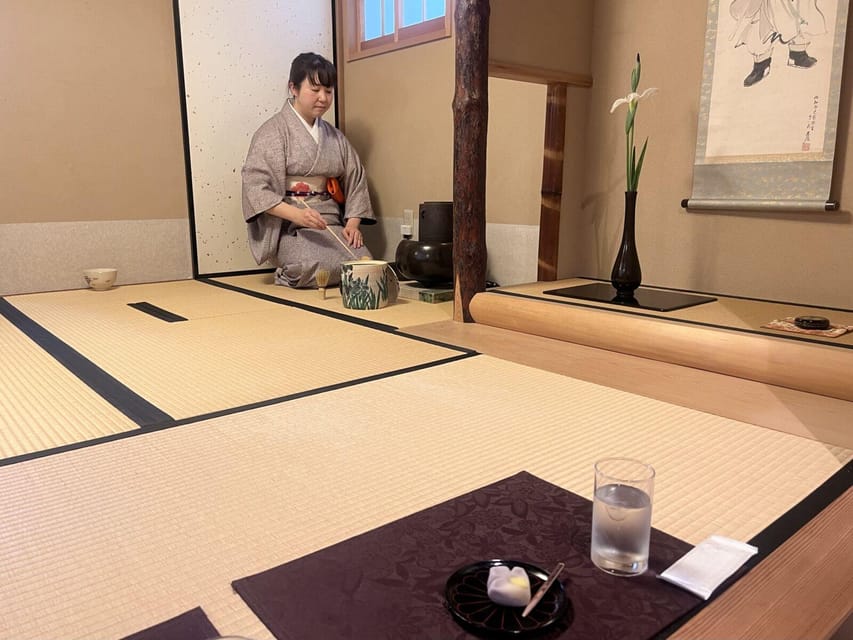
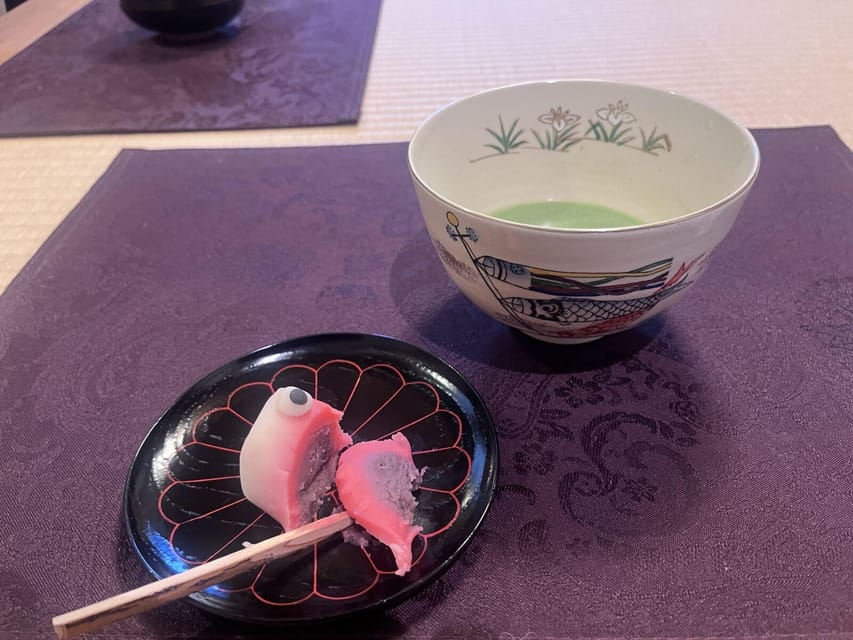
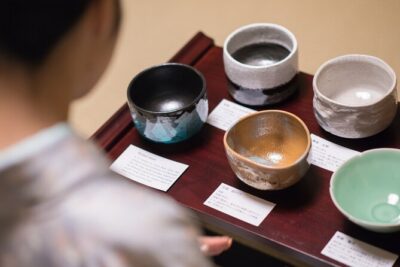
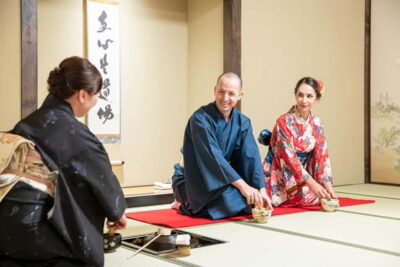
The highlight of this tour is the traditional tea ceremony, including the chance to drink from antique tea bowls. This is not just watching. You are part of the ritual, and you learn how the atmosphere, the tools, and the pacing matter.
One detail that makes this stop special is the focus on the antique bowls themselves. In this tea setting, you are not treating the ceremony as a generic performance. The bowls are presented with care, and you get a sense that the objects have stories attached. You may also notice how the tea room and its owner add personality to the experience, including touches like a drawn portrait of the owner featuring the selected antique tea bowls.
You will also have a traditional sweet, wagashi, paired with the tea. It is a small thing, but pairing matters because it changes how the tea tastes and how you experience the ceremony as a full sensory moment.
If you worry about language, do not. The tour includes an English-speaking guide, and the ceremony itself is built around visible steps. Even with limited Japanese, you will understand what to do and when to do it.
Asakura Museum of Sculpture: Art, Then Views From Above
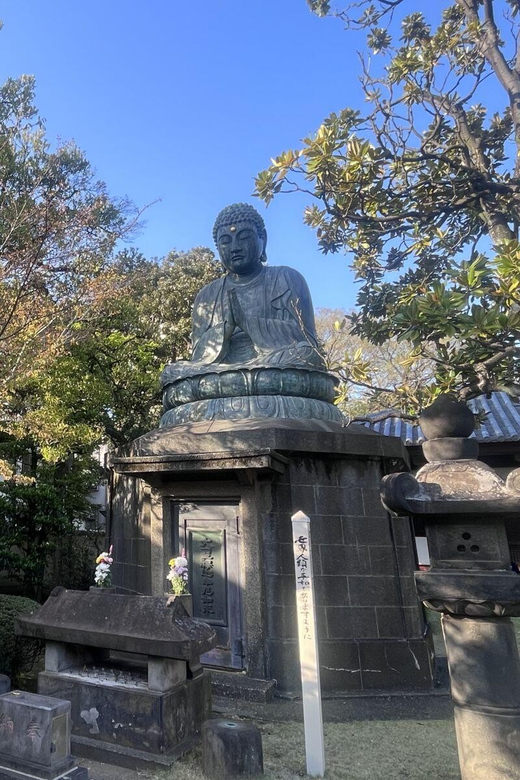
Next up is the Asakura Museum of Sculpture, with about one hour of guided time and included admission. This stop adds a different flavor to the day: you get a museum that is not just about seeing objects behind glass, you also get the payoff of views from the rooftop terrace.
I like this structure. A walking day in neighborhoods can get tiring, and museums offer a change in pace without turning the day into a long indoor slog. Also, rooftop views help you zoom out. After spending time on streets and in shrines, it feels good to look back at Tokyo from a higher point and remember the scale of what you are moving through.
In a practical sense, the museum is also a good “reset” point. If your feet are starting to feel it, you can use that hour to slow your breathing, sit when possible, and then re-start the walk with better energy.
Lunch Time in Yanaka: One Hour to Refuel Your Way
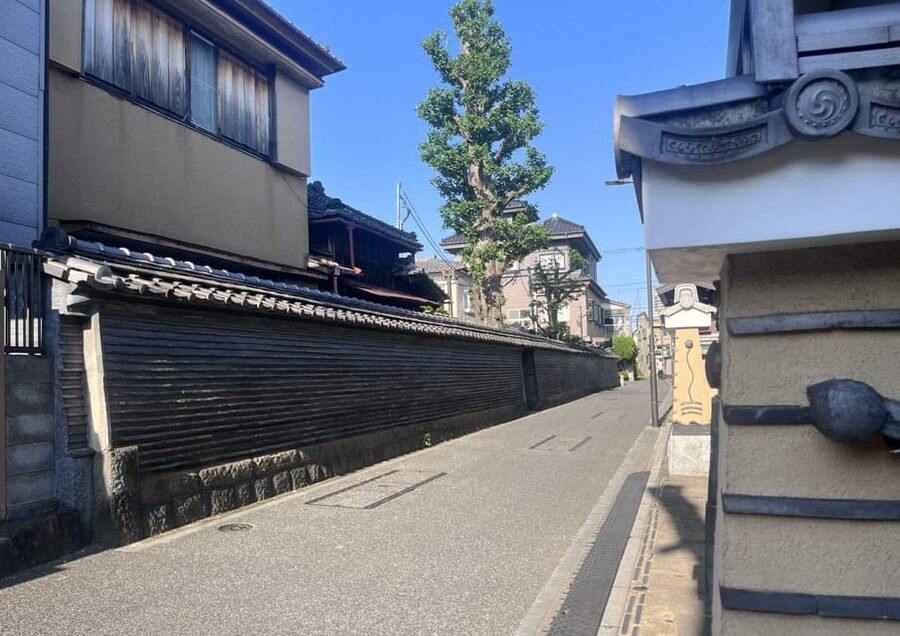
Lunch is scheduled for about one hour in Yanaka. That is long enough to grab something simple, find a place to sit, and let your body recover for the next segment.
Because the tour keeps you moving, I recommend treating lunch like a practical checkpoint, not another sightseeing mission. Hydrate. Eat something you can handle after walking. And if you are deciding where to go, aim for a spot that is easy to return to without backtracking too much.
If you like being spontaneous, this is the right part of the day for it. If you prefer certainty, keep your lunch plan close to where the group’s route stays logical.
Sendagi: Temples, Park Air, and a More Green Pace
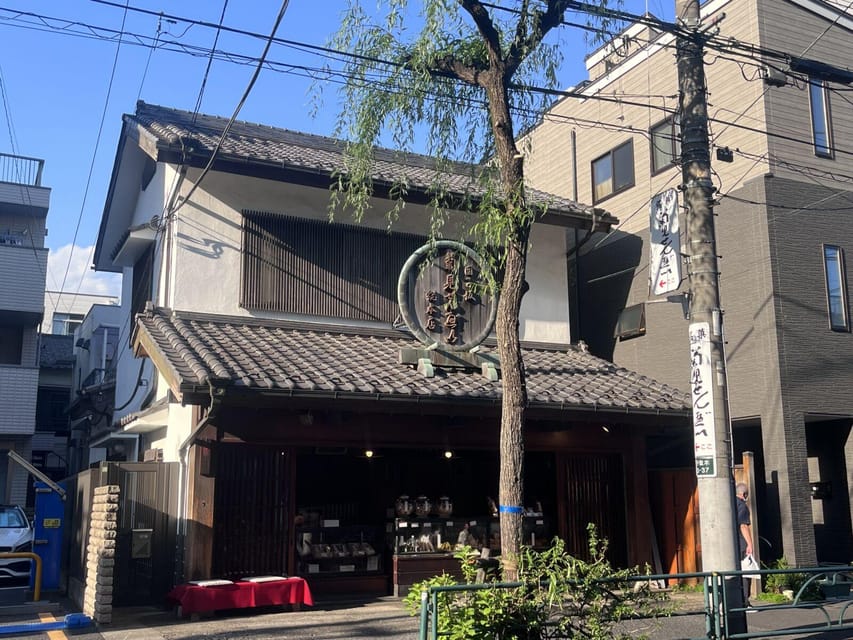
After lunch, the day moves to Sendagi for a guided visit and a walk segment of about 40 minutes. Sendagi is known for its temples and park atmosphere, and you feel that difference compared to Yanaka’s art and cemetery calm.
What I like about this portion is the transition. Yanaka can feel quiet and artsy, then you step into a more temple-and-nature vibe. The walking portion here helps, because the city’s greenery is easier to notice while you move than while you sit indoors.
This is also a good time to pay attention to how the neighborhood looks in motion, especially if your Tokyo style is more “walk and observe” than “list landmarks.” You are building a Tokyo map in your head, and Sendagi gives you a distinct piece of the puzzle.
Nedu-jinja Shrine: Finish With a Shrine Visit That Feels Thoughtful
The day ends with a visit to Nedu-jinja Shrine for about one hour, including guided time. A shrine stop at the end works because you arrive calmer, not hyper. Your senses are less overloaded, and the details of the shrine setting are easier to notice.
I also appreciate that the shrine segment is longer than a quick photo stop. You are not rushing through incense and gates. You get time to understand what you are seeing and to absorb the atmosphere.
This last part matters because it helps the day land. After museum views, food tasting, and tea ceremony, you finish with a place that is about ritual and routine, which is a strong match for the overall theme of Yanesen.
Price and Value: Is $135 Worth a One-Day Walk?
At $135 per person for a 1-day tour, the value comes from what is bundled in. You are paying not only for guided storytelling, but also for included admission to the Asakura Museum of Sculpture and the tea ceremony experience with antique tea bowls.
In other words, you are not just buying a walking itinerary. You are buying guided structure plus two paid experiences that would add up quickly on your own. For a short Tokyo trip where time is tight, that bundling is usually the best use of money, because it reduces guesswork and schedule stress.
Is it expensive? Compared with self-guided walking, yes. Compared with paying separately for museum admission, a guided experience, and a structured tea ceremony, it feels more fair. If your goal is a meaningful, older Tokyo day rather than another checklist outing, this price aligns with that intent.
Who This Tour Suits Best (and Who Should Skip It)
This tour is a great fit if you want a different Tokyo day, one that leans into local neighborhood character and cultural rhythm rather than only famous sights. It is also ideal if you enjoy a balanced mix: cemetery calm, a food tasting detour, free wandering, museum art time, and then tea ceremony plus shrines.
You might want to choose a different option if:
- you dislike walking or have limited mobility, because it is a full day on your feet
- you only want major headline attractions with lots of independent wandering
- you prefer very long, unscheduled free time with no structure
A Quick Note on Guides and the Tone of the Day
A key part of this experience is how the guides shape the day. One guide, Jeff, is described as making it feel more like a conversation and a friendly walk than a stiff tour lecture. Another guide, Beth, is praised for passion, clear explanations, and flexibility with what the group wanted, with the tea ceremony described as the standout moment.
That kind of tone matters because it affects how much you actually get from the day. If you are the type who asks questions, a guide who welcomes conversation helps you get more than surface facts.
Should You Book This Yanaka, Nezu and Sendagi Tea Ceremony Tour?
If you want an older, quieter slice of Tokyo in one day, I would book it. The itinerary hits several meaningful layers: neighborhood streets, a cemetery stop, an art museum with rooftop views, and then tea ceremony with antique tea bowls. It also includes guided time at shrines and temples, which is the part that turns Tokyo sightseeing into understanding.
If you are sensitive to walking time, or you want a more spontaneous day without structure, look for a lighter option. But if you like a well-paced route with enough free time to breathe, this is a solid value at $135.
FAQ
What time does the tour start, and where do I meet?
The tour starts at 10:30. Meet outside Nippori Station at the West exit, in front of the red information board and post box.
How long is the walking tour?
The experience is listed as 1 day. The walking tour includes a full-day schedule across Yanaka, Sendagi, and Nezu.
Is the guide available in English?
Yes. The tour includes a local English-speaking guide.
What places are included in the itinerary?
The itinerary includes Yanaka Cemetery, a secret stop with food tasting, Yanaka District free time, Asakura Museum of Sculpture, Sendagi, and Nedu-jinja Shrine.
What is included with the tea ceremony?
The tea ceremony experience is included, and you drink from antique tea bowls.
How much does the tour cost?
The price is $135 per person.
What is the cancellation policy?
Free cancellation is available up to 24 hours in advance for a full refund.
More Walking Tours in Tokyo


More Tours in Tokyo


More Tour Reviews in Tokyo
Not for you? Here's more nearby things to do in Tokyo we have reviewed












Tokyo Tea & Sake Experiences, side by side.
 ★ 5.0Traditional Tea Ceremony with a Tea MasterFrom $38528 reviews
 ★ 5.0Sake Tasting Masterclass in Shinjuku (8+ Varieties with a Pro)From $72271 reviews
 ★ 5.0Tea Ceremony Workshop in Tokyo by the Experienced InstrucorFrom $38189 reviews
 ★ 4.9Asakusa: Kimono Tea Ceremony with Matcha and SweetFrom $66153 reviews
 ★ 4.9Tea Ceremony Experience in a Private Tea Room in ShibuyaFrom $30125 reviews
 ★ 4.7Practicing Zen with a Japanese Tea CeremonyFrom $63105 reviews
 ★ 5.0Matcha Kimono Tea Ceremony in TokyoFrom $59104 reviews
 ★ 4.9Tea ceremony experience in Japanese-style room 60minFrom $4586 reviews
This tour also belongs to