
Review · KAMAKURA DAY TRIPS
Kamakura Zen Temples and Gardens Private Trip with Government-Licensed Guide
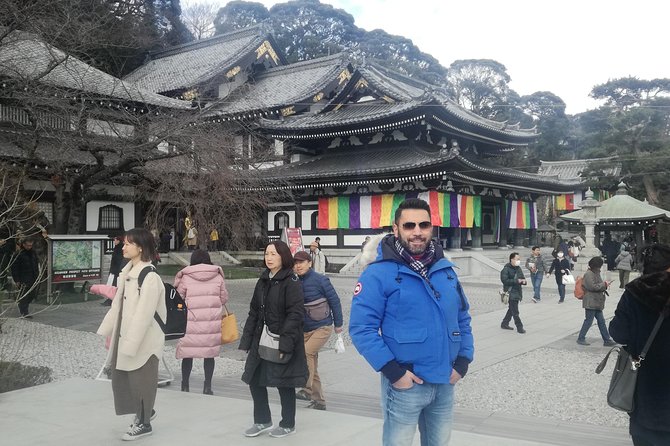
Kamakura feels like a calm history lesson. This private, customizable Zen temples and gardens walk gives you a government-licensed guide and more context than wandering on your own. I like the way the route focuses on major Zen sites around town, and I also like that you can choose your 3-4 priorities so you do not waste time. A consideration: entrance fees, meals, and transport cost extra, so the total day budget will go beyond the listed price.
The best part is how the day can flex. I love that the experience is built as a walking tour with meet-up near public transportation, and that the guide can add nearby temples and garden details as you go, including big landmarks like the Great Buddha at Kotoku-in and the Kannon statue at Hasedera. One drawback to plan for: it is still a lot of walking in 6 hours, even with breaks between sights.
Quick hits before you go
- Government-licensed English guide focused on temples, architecture, culture, and customs
- Choose 3-4 sites from a long list, so your day matches your interests
- Engaku-ji and Kencho-ji give you Kamakura’s core Rinzai Zen story
- Meigetsuin Hydrangea Temple adds a seasonal wow factor when blooms are at their best
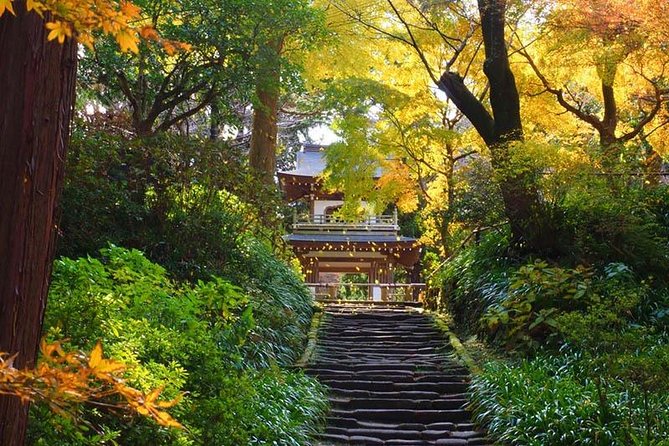
- Hokoku-ji bamboo grove offers a cool, atmospheric walk through tight paths
- Optional add-ons like Tsurugaoka Hachimangu, Zeniarai Benten, and Enoshima
Value and Price, From a Licensed Guide to What You Pay Extra
At $153.11 per person for about 6 hours, this private tour can be good value if you want more than a checklist. You are paying for a government-licensed guide who can explain what you are seeing, help you pick the best mix, and keep the pacing realistic.
What keeps the value honest: the tour price does not pretend that it includes everything. Entrance fees, lunch, and transport are extra, so think of the rate as the guiding service plus the walking plan. If you have already planned your entry tickets and a simple lunch, the rest of the day usually clicks into place.
Also, note the small timing detail that often matters: the tour is commonly booked far in advance (on average, about 95 days). If you are traveling in peak seasons or want very specific temple combinations, it is smart to lock it in early.
You can also read our reviews of more guided tours in Kamakura
How the Private Format Works in Real Life
This is a private experience, meaning it is only your group. That matters in Kamakura because temple spacing, garden viewing rules, and walking paths can all add friction when you are on your own.
The tour is customizable, built around choosing your preferred attractions from the set of Kamakura Zen temples and related sites. In practice, you should expect to select 3-4 sites you most care about, then let the guide fill the “in-between” time with context, shortcuts when possible, and the parts that make each temple feel specific.
A detail from actual guide experiences that I think you will appreciate: guides often meet you right at a transit hub area. One guide, Kei, met guests at the JR Kamakura station ticket gate, then used quick connections to reach key stops like the Big Buddha and Hasedera. Another guide, Kappa, showed how the day can be tailored even on harder days, including rainy weather, while still keeping the experience enjoyable and thoughtful.
The 6-Hour Walking Rhythm: Comfortable Pace, Real Footsteps
Even though the tour includes pickup offered, this is described as a walking tour, with meet-up on foot within a designated area. Plan for an active half-day.
Here is what that means for your planning:
- You will move between neighborhoods and temple clusters, not just sit in one garden.
- Each stop is usually 10 to 30 minutes, which is enough for the main sights and a respectful look, but not enough for a full deep-study of every corner.
- If you add extra activities like an extended hike section, you will need to trim another stop to stay within the time window.
I like this pacing because it keeps the day from feeling like a treadmill. I also like that if you are tired, you can usually ask for more time in fewer places rather than spreading yourself thin.
Stop-by-Stop: Zen Giants, Garden Order, and What to Watch For
Kamakura’s temples are not just buildings. They are layout lessons, with paths and stone details designed to slow your eyes down. Your guide is the difference between seeing objects and understanding choices.
Engaku-ji (円覚寺): Rinzai Zen weight and early Kamakura roots
Engaku-ji is one of the leading Zen temples in eastern Japan and one of Kamakura’s “five great Zen temples.” It was founded in 1282 by regent Hojo Tokimune. At this stop, I would focus on how the temple setting supports quiet meditation, and how the grounds feel structured for long contemplation, not quick photos.
Time tip: expect about 10 minutes here if you are using a 3-4 site strategy.
Possible drawback: it can feel like a lot of Zen stops back-to-back if you try to see too many sites on the same day. Pick what you want most, then savor.
You can also read our reviews of more private tours in Kamakura

Kencho-ji (建長寺): the oldest of the five great Zen temples
Kencho-ji is ranked as the number one of Kamakura’s five great Zen temples and is also the oldest Zen temple in Kamakura. It was founded in 1253 by regent Hojo Tokiyori. This is a great place to understand how Kamakura’s Zen identity formed early, and how the temple grounds support orderly walking and calm views.
Time tip: allow about 30 minutes.
Jochiji (浄智寺): a smaller stop that still tells a story
Jochiji is a branch temple of the Engaku-ji school of the Rinzai sect. It is one of the five great Zen temples (ranked number four). The “why it matters” angle is that branch temples can feel less crowded and let you notice garden design and temple atmosphere without fighting the flow of larger sites.
Time tip: around 30 minutes.
Jomyo-ji (浄妙寺): hillside Zen and a calmer mood
Jomyo-ji is in the hills of eastern Kamakura and ranked fifth among the five great Zen temples. It was founded by the Ashikaga family. Hillside temples often give you two wins at once: a quiet inner space and a better sense of the landscape that brought people here in the first place.
Time tip: about 30 minutes.
Zuisen-ji (瑞泉寺): Zen in a valley setting
Zuisen-ji is a Zen temple in the far east of Kamakura, tucked into a narrow valley and surrounded by wooded hills. It is a branch temple of Engaku-ji, so it fits naturally with that core Zen theme if you are choosing multiple Rinzai stops.
Time tip: about 30 minutes.
Meigetsuin Hydrangea Temple and Hokoku-ji Bamboo: When Gardens Feel Like Characters
If you like gardens, these two stops are often why people remember Kamakura after the buses and train rides fade.
Meigetsuin (明月院): the Hydrangea Temple
Meigetsuin Temple is known as Ajisaidera, the Hydrangea Temple, because hydrangeas bloom in abundance on the grounds. It is associated with the Rinzai Zen sect and traces back to 1160. Even if your timing is not perfect for blooms, a good guide helps you see how the garden is meant to be experienced as a sequence of views.
Time tip: around 30 minutes.
Possible drawback: this can be a popular photo stop. If you care most about calm, go for the garden views early in your day plan when you have more freedom to slow down.
Hokoku-ji (宝亀寺): bamboo grove paths and cool shade
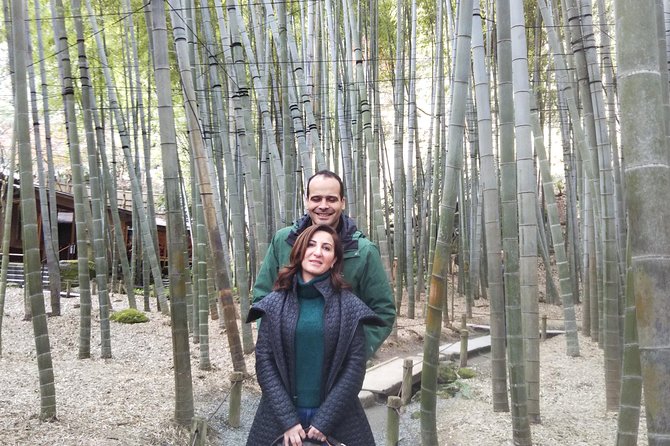
Hokoku-ji is famous for a bamboo grove behind the main hall, with over 2000 dark green bamboo stalks. Narrow pathways take you through thick bamboo, and the walk itself becomes part of the attraction.
One guide tip I like from real experiences: going early enough in the day helps, because bamboo shade can feel refreshing even in warmer months. If you are visiting on a hot day, ask your guide to time Hokoku-ji when it will feel most comfortable.
Time tip: about 30 minutes.
Kotoku-in Great Buddha and Hasedera’s Kannon: Big Scale, Different Spiritual Focus
Kamakura includes both monumental and deeply sculptural Buddhism. These two are a powerful contrast.
Kotoku-in: the Great Buddha of Kamakura
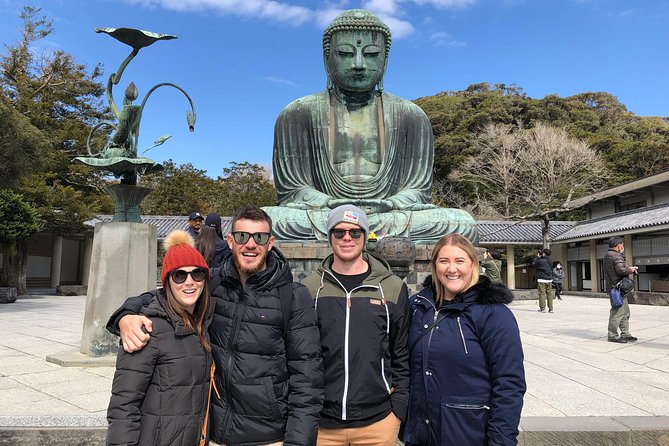
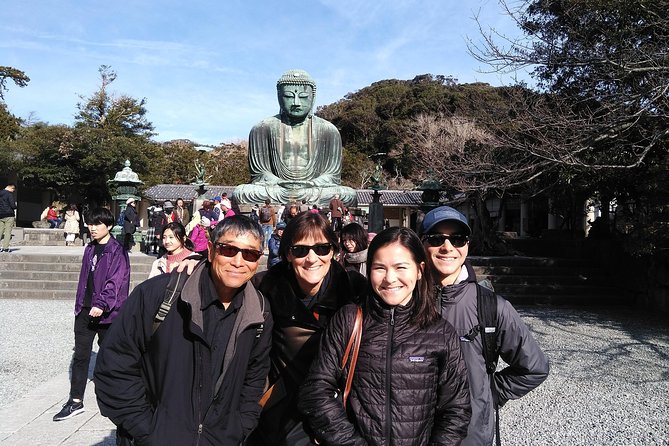
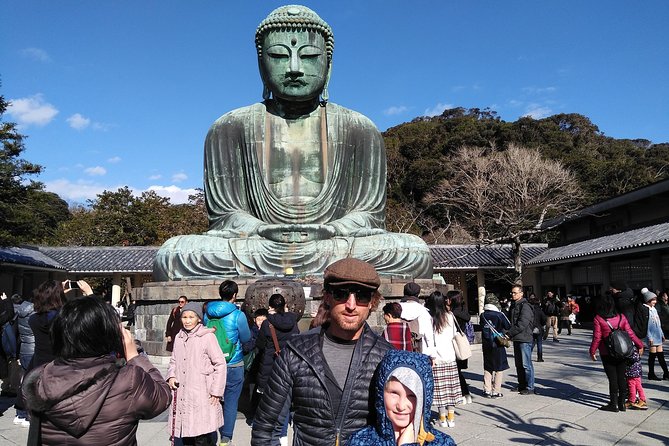
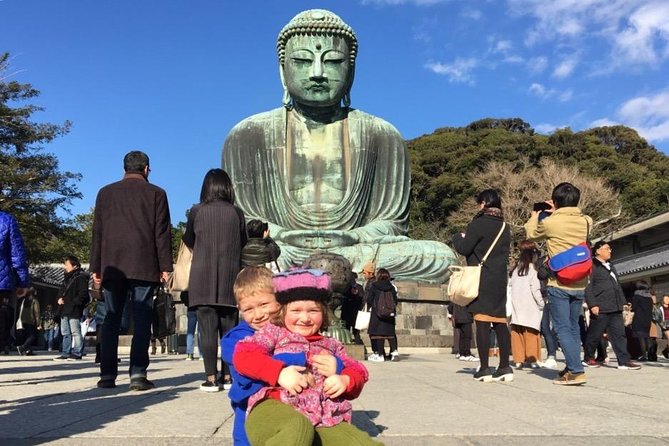
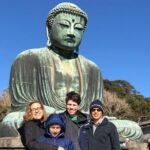
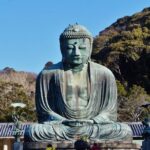
Kotoku-in is home to the Great Buddha of Kamakura, a bronze statue of Amida Buddha. It stands about 11.4 meters tall. This is the “wow” stop, even if you are not a sculpture nerd. The main value with a guide is context: who Amida Buddha is to worshippers, and why huge statues matter in how a temple draws you in.
Time tip: about 30 minutes.
Practical note: entry fees are not included, so budget for the site ticket.
Hasedera (長谷寺): the 11-headed Kannon statue
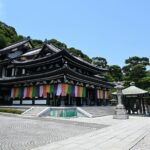
Hasedera is famous for its eleven-headed statue of Kannon, the goddess of mercy. The statue is gilded wood and is about 9.18 meters tall, known as one of the largest wooden sculptures of its type. It is also a great place to understand why Kamakura has so many different sects and temple styles, not just one Zen lane.
Time tip: around 10 minutes for a quick stop, which is short, so you should decide in advance if Hasedera is a priority for you.
In one guide experience, Kei brought guests to Hasedera after reaching the Big Buddha, which is a smart pairing because you get monument scale first, then move into a more detailed sculptural experience.
Tsurugaoka Hachimangu and Zeniarai Benten: Shrines That Break Up the Zen Circuit
Zen temples are the backbone of the route, but these shrine stops give your day balance and a different kind of Japanese cultural view.
Tsurugaoka Hachimangu Shrine
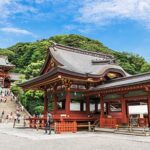
Tsurugaoka Hachimangu is dedicated to Hachiman, patron god of the Minamoto family and samurai in general. It is a major historic site, and your guide can explain why the shrine matters in the samurai-era story of Kamakura.
Time tip: about 10 minutes.
Practical note: admission is free.
Zeniarai Benten Shrine: coin washing ritual
Zeniarai Benten is known for people washing money in its spring, with the idea that it brings good fortune. The name zeniarai means coin washing. Even if you do not fully buy into the magic, rituals like this are part of what makes Japan feel alive and local.
Time tip: around 30 minutes.
Practical note: admission is free.
Enoshima Island as an Optional Sea Finale
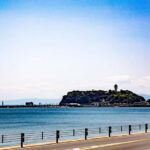
Enoshima is only a short train ride west of Kamakura. It is an island with a shrine and a tourist vibe that often works well as a final chapter after temple density.
Time tip: about 30 minutes.
Practical note: admission is listed as free, but you should still expect small costs for food or activities if you choose to do them.
If you like sea air and a quick change of scenery, this is a solid add. If you are sensitive to crowds, ask your guide how busy Enoshima is likely to be and whether they can time it.
Nichiren Temples and Quick Hill Detours: When You Want More Than Zen
Kamakura is not only Zen. If you are curious about other Buddhist traditions, this is where the guide can help you diversify without adding too much walking time.
Ankokuronji (安国論寺): short stop, Nichiren context
Ankokuronji is a Nichiren sect temple along the hills in southeast Kamakura. Nichiren himself founded it around 1253 when he first came to Kamakura. This stop is short, but it can add meaning if you are learning how Kamakura hosted multiple religious movements.
Time tip: about 10 minutes.
Myohonji (妙本寺): Nichiren temple on the southeastern hills
Myohonji is another Nichiren sect temple on the southeastern hills, founded in 1260 by Hiki Yoshimoto. This is more of a quick “see and absorb” stop than a long stay.
Time tip: about 10 minutes.
Tokeiji (東慶寺): a small Engaku-ji branch stop
Tokeiji is a small branch temple within the Rinzai sect’s Engaku-ji school. Branch temples like this can feel calmer and help you break up the bigger-name crowd energy.
Time tip: about 10 minutes.
My take on these quick stops
If you are choosing only 3-4 sites total, you may skip some of these and focus on the Zen and the big cultural anchors. If you have longer legs, these shorter visits can add variety without heavy time cost.
Kamakura Hiking Trails: A Small Dose of Forest Around Temples
Kamakura is surrounded by ocean to the south and hills in other directions, and hiking trails connect temples along wooded routes. The tour includes Kamakura Hiking Trails as an option, and it is listed as free.
Time tip: around 10 minutes if you keep it short, which might mean a quick path segment rather than a full trek.
I like adding a little trail time because it makes the temple grounds feel connected to the city’s geography. If it is rainy or humid, ask your guide what route feels safest and where you can take shelter briefly if needed.
Who This Tour Fits Best, and Who Might Prefer Something Else
This tour suits you if:
- You want Japanese cultural context around temples and shrines, not just photos.
- You like having someone manage pacing so you can focus on the experience.
- You want to pick from Zen temples plus a few key shrine or sea options.
It may feel less ideal if:
- You are expecting all entrance fees and transport to be included in the base price.
- You do not want walking, since it is a half-day walking format even with guided timing.
If you are the kind of traveler who enjoys gardens, architecture, and the reasons behind temple layouts, this day can feel like a focused, high-quality education without turning into a museum marathon.
Should You Book This Kamakura Zen Temples and Gardens Private Trip?
I think you should book it if you want a government-licensed guide and a customized plan that helps you choose the right temples for your interests. The strong point is flexibility: you can lean Zen-heavy with sites like Engaku-ji, Kencho-ji, and Hokoku-ji, then add one or two big cultural anchors like Kotoku-in or Hasedera.
I would be cautious only if your budget cannot handle extra entry tickets and transit, or if you know you will struggle with a steady walking day. If those concerns are manageable, this is a practical way to see Kamakura’s spiritual and garden sides without getting lost in the logistics.
FAQ
What is included in the Kamakura private tour?
The tour includes a licensed local English speaking guide, and a customizable walking tour of 3-4 sites. You meet up with the guide on foot within a designated area of Kamakura.
Is pickup included?
Pickup is offered, but the experience is still a walking tour. You meet the guide on foot within a designated area, near public transportation.
How long is the tour?
The duration is about 6 hours.
Can I choose which temples and gardens to visit?
Yes. The tour is customizable, and you can choose 3-4 sites from the attractions list.
Are entrance fees and meals included?
No. Entrance fees, lunch, and transportation fees are not included.
Is it a private tour or a group tour?
It is a private tour. Only your group participates, and you cannot combine multiple tour groups.
Are there any restrictions on who can join?
Most travelers can participate, and service animals are allowed.
Is the tour mostly walking?
Yes. It is described as a walking tour, and it is not private transportation.
Is there free cancellation?
Yes, free cancellation is available. You can cancel up to 24 hours in advance for a full refund.
More Private Tours in Kamakura
More Guided Tours in Kamakura

More Tour Reviews in Kamakura
Not for you? Here's more nearby things to do in Kamakura we have reviewed



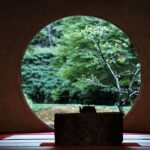
Kamakura Day Trips, side by side.
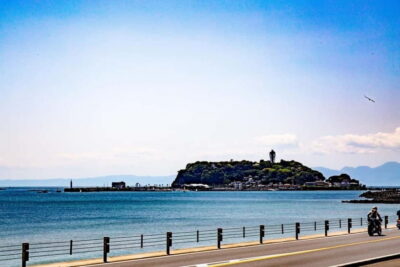 ★ 4.5Kamakura & Enoshima Day Trip including Temple TicketsFrom $581,375 reviews
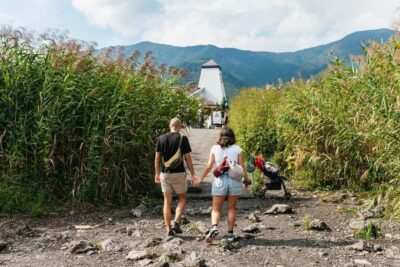 ★ 4.5Mt. Fuji, Kamakura, Big Buddha, & Lake Ashi Day TripFrom $49867 reviews
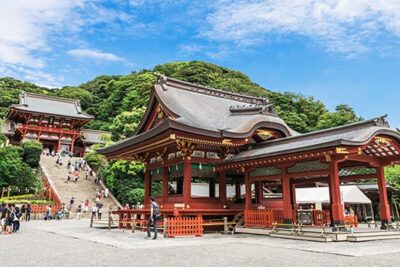 ★ 4.5From Tokyo: Kamakura & Enoshima 1-Day Bus TourFrom $66189 reviews
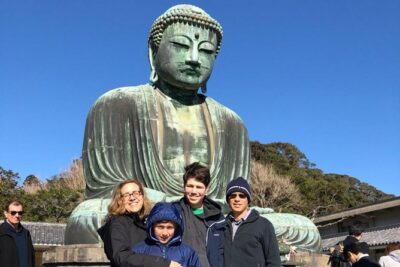 ★ 5.0Kamakura Historical Walking Tour with the Great BuddhaFrom $98129 reviews
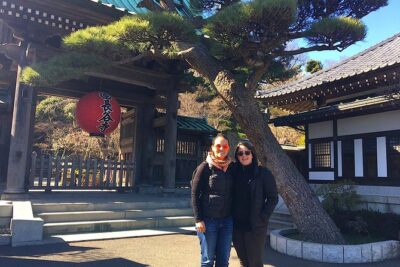 ★ 5.0Kamakura Private Tour: Temples, Nature, and the Great BuddhaFrom $98121 reviews
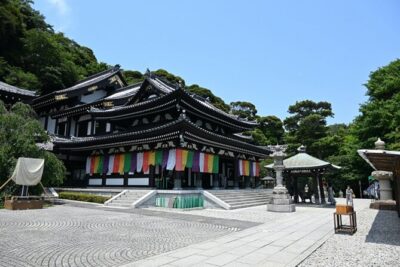 ★ 5.0Kamakura Walking Tour – The City of ShogunFrom $35100 reviews
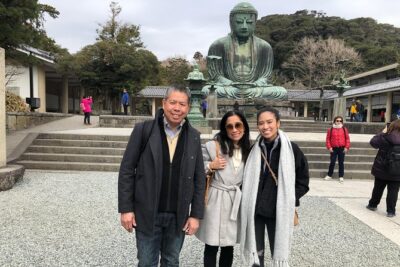 ★ 5.0Kamakura 8 hr Private Walking Tour with Licensed Guide from TokyoFrom $20180 reviews
 ★ 4.1Kamakura & Enoshima Day Tour with Pickup & Train RideFrom $1361 reviews
This tour also belongs to