
Review · KAMAKURA DAY TRIPS
Kamakura: Half day Walking tour & Japanese sweets
Kamakura in half a day, feels local. You’ll hit Kotoku-in’s Great Buddha, then move through Hase-dera’s gardens and viewpoint, all while a local licensed guide Kelly ties it together with samurai culture and Zen philosophy. And yes, you also get a proper break for traditional Japanese sweets and matcha green tea, not just quick vending-machine snacks.
I especially like that this is built for flow, not rushing. The small group size (up to 6) makes it easier to stop, ask questions, and keep your footing on Kamakura’s tighter lanes without feeling like cattle.
One drawback to plan for: the route includes staircases and uneven temple grounds, so it’s not a great fit for wheelchair users or anyone with low mobility or low fitness. If you hate stairs, bring patience, or choose a different style of tour.
Key highlights you’ll feel right away
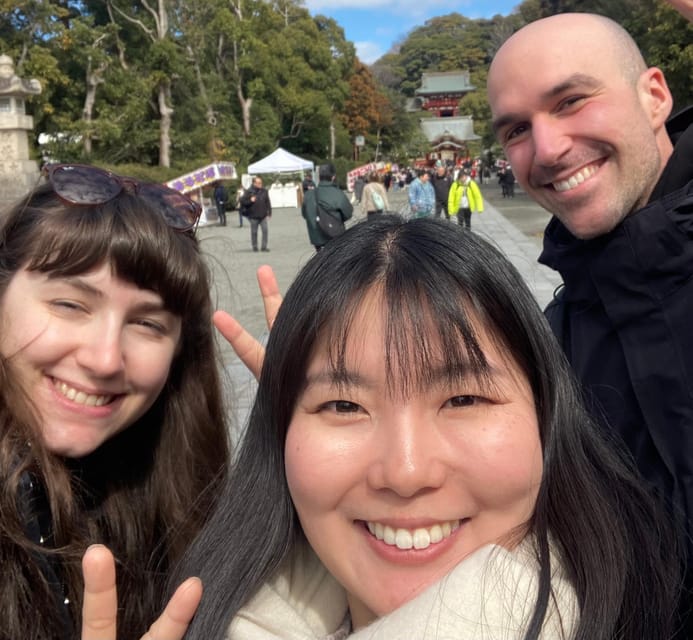
- Kelly, a local national licensed guide who explains samurai-era context and Zen ideas in plain language
- Kotoku-in and the Great Buddha with history and background plus an included entrance ticket
- Hase-dera viewpoint over the beach and townscape, plus a stop at the mysterious donjon cave precinct
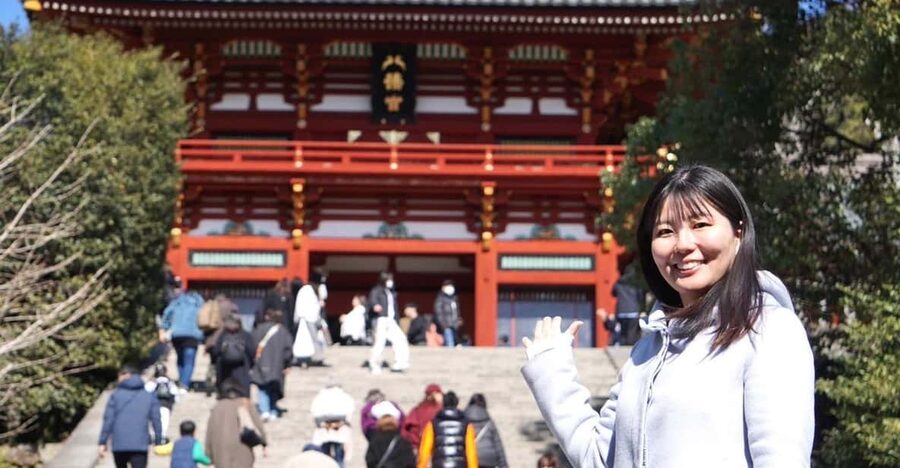
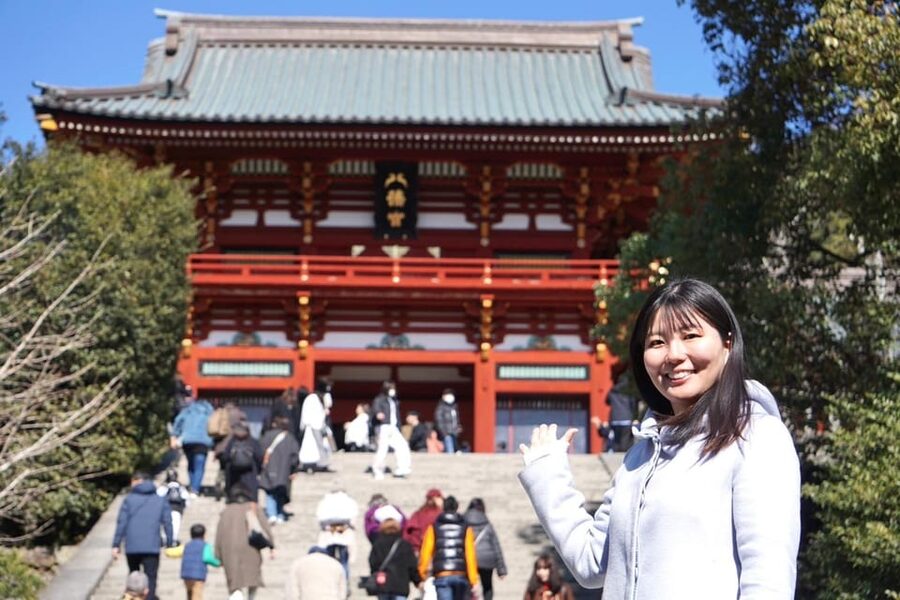
- Tsurugaoka Hachiman-gu as Kamakura’s center, including 800 years of samurai-era traces
- Matcha and nerikiri at a recommended cafe, with food costs included and a vegetarian friendly setup
- Narrow back streets and local shopping, so you see Kamakura beyond the postcard route
A smart half day: why 4 hours in Kamakura works
Kamakura moves fast if you’re doing it on your own. This tour gives you structure without stealing your day. It runs for 4 hours starting at 13:00, which is perfect if you want something calm after a Tokyo morning, or if you just need a focused hit of temples, beach views, and food without a full-day grind.
The best part is the pacing. You get multiple key sites, but you also get time to stop and look, not just stand in line and shuffle forward. In a town like Kamakura, where narrow streets can turn into slow grids, having a guide who manages order matters more than you’d think.
You also get a small group experience. Up to 6 participants means less waiting at crossings, fewer bottlenecks at viewpoints, and more chances to ask Kelly questions about samurai culture and the way Zen shows up in everyday space and design.
You can also read our reviews of more walking tours in Kamakura
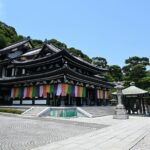
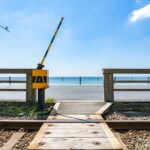
Meeting point and timing: start at Kamakura Station, not in the clouds
You meet at Kamakura City Tourist Information Center, right next to the ticket gate at Kamakura Station East exit. Kelly will have a meeting board, so you can spot the group quickly.
From there, the plan uses local transit to keep the walk efficient. You’ll take a local train to Hase station. The train fare is not included, and it’s ¥200 one way. That matters for value, because the tour price includes the guide and key entrances and food, while the train is a separate, small cost you can easily plan for.
Also note the shoe reality. High heels are not allowed. And because temple areas can mean stairs, you’ll want comfortable footwear with grip. If you show up in shoes that slip on stone, your whole day gets harder than it needs to be.
Kotoku-in’s Great Buddha: the most famous stop, explained well
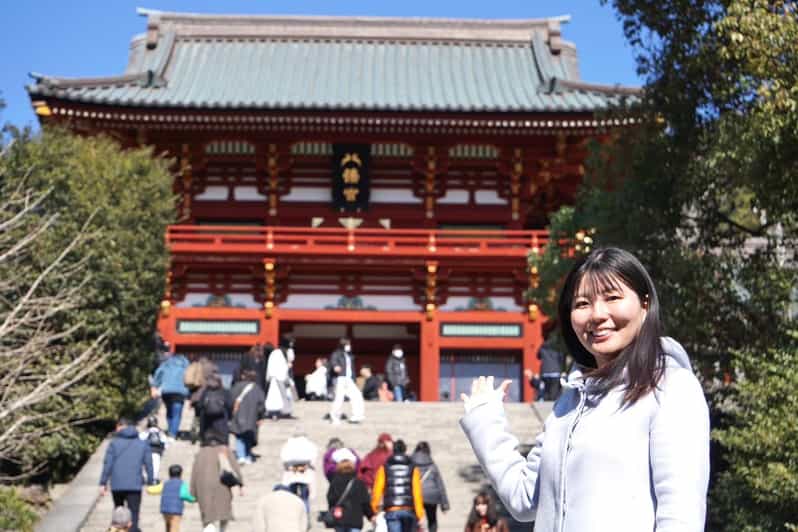
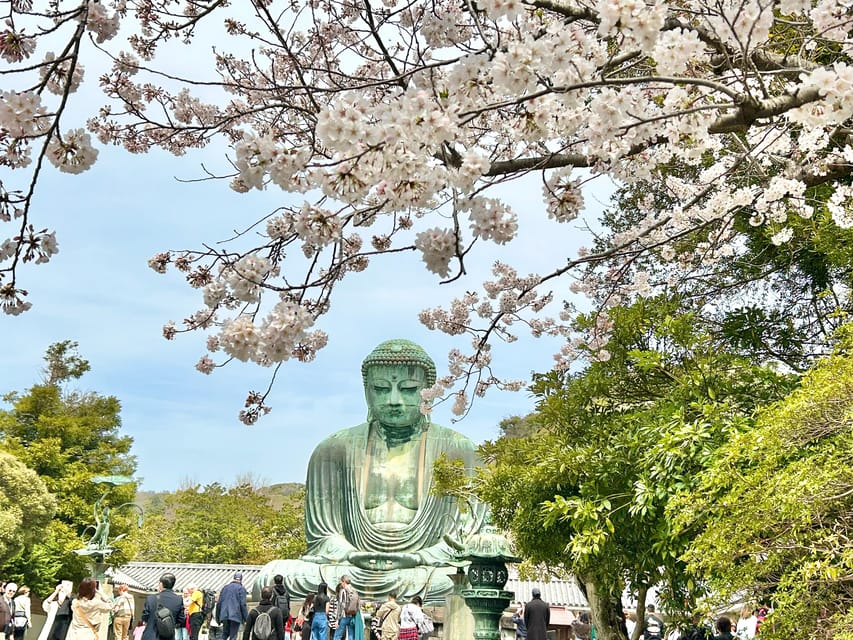
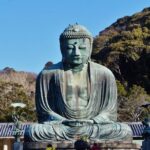
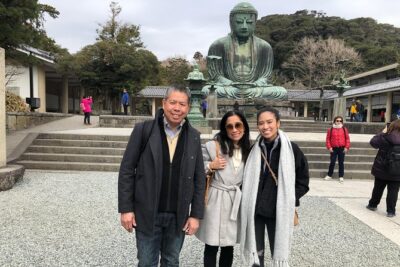
Your first major temple visit is Kotoku-in, with about 30 minutes there. This is the classic Kamakura photo spot: the giant Great Buddha statue. Even if you’ve seen images before, the scale hits in person. You can really feel why people flock here.
What makes this stop better on a guided walk is the context. Kelly explains the statue’s history and background, and also connects it to broader themes you’ll hear more about later: the samurai period and Zen philosophy. The result is that the Buddha isn’t just a background for photos. It becomes a symbol with meaning.
Entrance fee for Kotoku-in is included. That’s one of those small, practical conveniences that adds real value. When the ticket is already handled, you spend less energy figuring out where to go and more time actually looking.
Practical tip: bring a little patience for crowded photo angles. Since this is one of Japan’s most recognized Buddha views, expect people. Use the time to look from different angles instead of chasing the perfect single shot.
Hase-dera: gardens, lookout deck, and that donjon cave detail
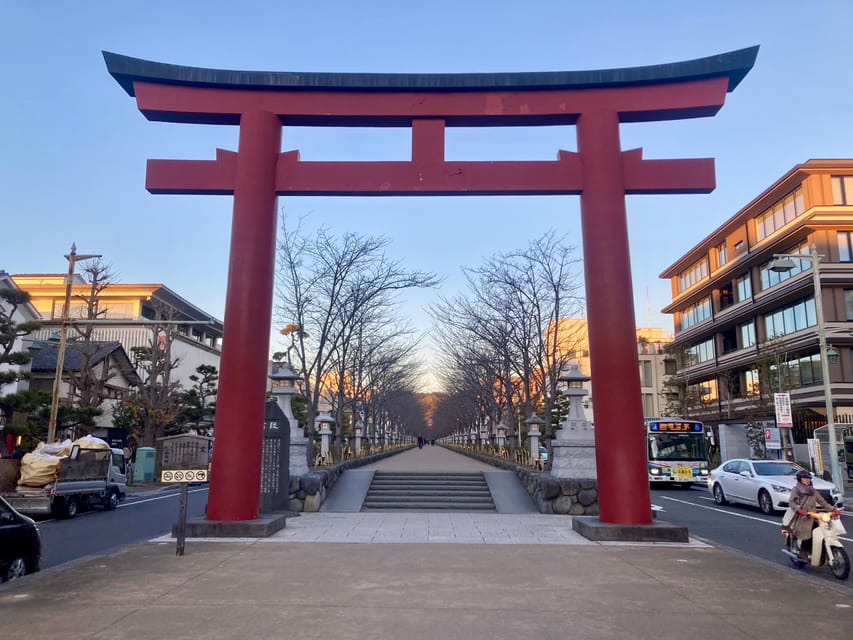
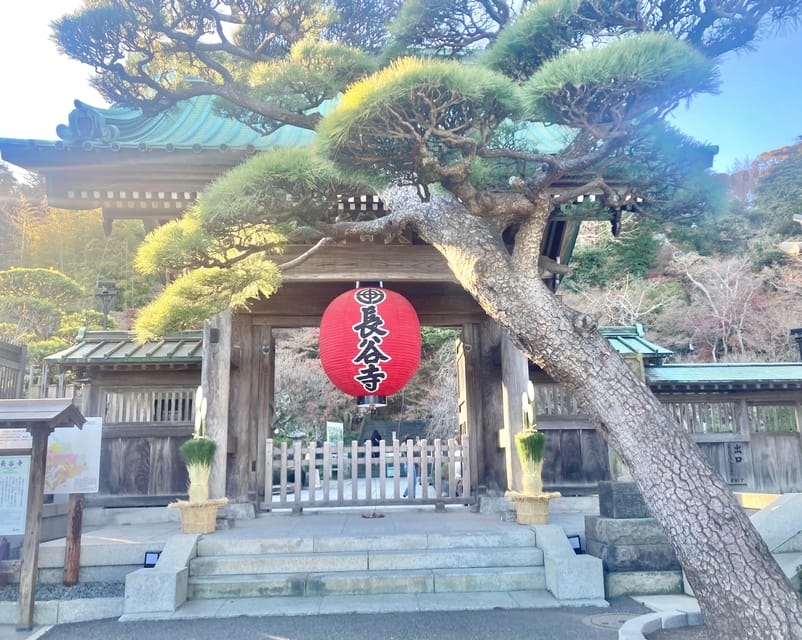
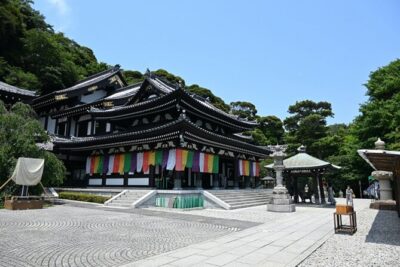
Next up is Hase-dera, roughly 1 hour at the site. This is where Kamakura starts to feel more like a destination than a checklist.
First, you get the beautiful Japanese gardens. Even if you’re not the “I love landscaping” type, gardens matter here because they shape how you experience the temple. The paths and viewpoints guide you, slowly, toward the more dramatic views.
Then you’ll head to the observation deck. From there, you can admire the beach and townscape of Kamakura. It’s a great contrast after seeing the Great Buddha indoors or under temple structures. You shift from sacred icon to lived geography. You realize Kamakura’s temples aren’t placed in isolation. They’re part of a coastal setting where everyday life keeps going.
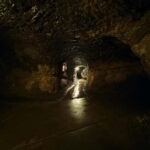
You’ll also see the donjon cave within the precinct. It’s described as mysterious, and even if you’re not a “spooky” person, the idea of hidden or cave-like space within a temple area adds a little intrigue to the walk.
Entrance fee is included here too. And because this stop is longer than a quick photo break, you have more time to pause for the view, read explanations, and soak in the seasonal nature aspect. Hase-dera is often a best bet when you want Kamakura’s outdoor feel.
Consideration: this is also where staircases can show up. If you’re prone to fatigue, take slower steps. You don’t need to rush to keep up, especially in a small group.
Tsurugaoka Hachiman-gu: samurai-era traces in Kamakura’s center
After Hase-dera, you’ll ride the local train again, then arrive at Tsurugaoka Hachiman-gu. The visit is about 45 minutes, and it’s positioned as the center of Kamakura.
This shrine is important because it carries about 800 years of history, including traces connected to the samurai period. Kelly explains the background of that history, and ties it to how power, faith, and community shape a place over time.
The practical bonus: there’s no entrance fee for this stop. So your time here is cost-light, and you can focus on what matters: the shrine experience, the setting, and the story Kelly is building across the day.
This stop also works as a reset. You’ve seen a giant Buddha. You’ve walked through gardens. Now you’re back in a central shrine environment where Kamakura’s identity feels more concentrated.
More Tokyo tours and experiences for the shortlist

Komachi Dori for tea, then real shopping vibes
By the time you reach Komachi Dori Street, the day turns toward food and atmosphere.
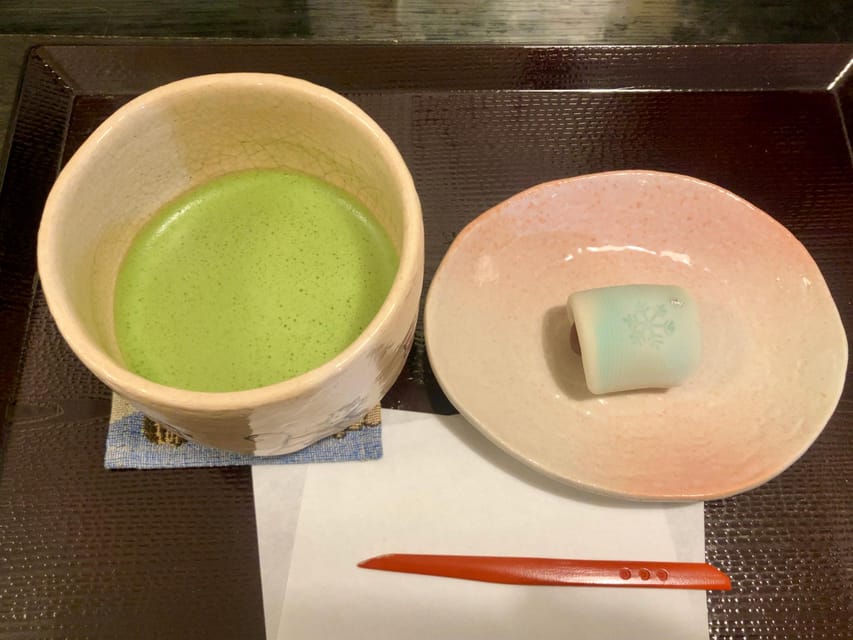
You’ll spend about 45 minutes on Komachi Dori for tea. This is where the tour delivers a very specific Japanese comfort break: traditional sweets like nerikiri paired with matcha green tea at a recommended cafe. The cost of this food is included.
Two things I like about this type of included tasting:
- It’s not an afterthought. You’re meant to slow down for it.
- Nerikiri is a bite of food culture that you don’t really replicate well at home. It’s also noted as something you can try only in Japan, so this is one of those “worth the trip” moments.
The tour is vegetarian friendly, which is helpful if your diet limits you. Still, if you have strict needs, it’s smart to mention them to the guide when you start, since sweets ingredients and prep can vary by cafe.
After tea, you’ll have more time to walk along Komachi Dori for shopping. And this is where Kelly’s local approach really helps. She doesn’t just funnel you down the most touristy lanes. You’ll also get guided time in shopping areas loved by locals, plus narrow side streets that many people miss.
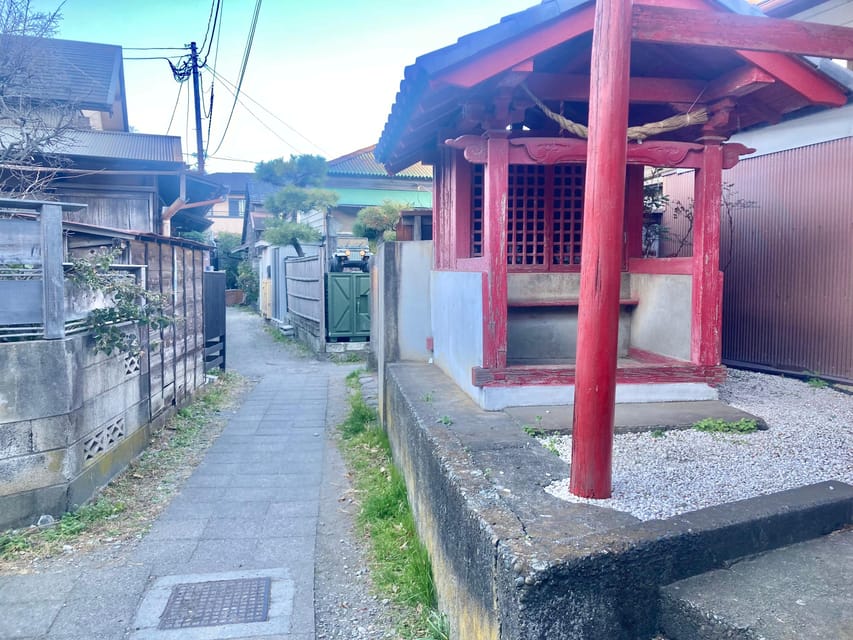
The tour includes time for those rear streets, the tight lanes known locally. This is where Kamakura feels like a real town, not a museum set. You’ll also get the benefit of avoiding extra congestion, because Kelly uses shortcuts through busy areas.
The tour wraps up back around Komachi-dori Street, so you leave with an easy place to continue wandering or find your next meal.
Price and value: what $64 buys, and the one extra cost to expect

At $64 per person for a 4-hour small-group guided experience, you’re paying for more than walking. You’re paying for the guide, the entrance fees, and the cafe break.
Here’s what’s included:
- A local National licensed guide (Kelly)
- Entrance fees for Kotoku-in (Great Buddha) and Hase-dera
- Cafe food cost: Japanese sweets (including nerikiri) and matcha green tea
- Vegetarian friendly
What’s not included:
- Train fare: ¥200 one way between areas like Kamakura and Hase, plus the corresponding return ride
So, in plain terms, the math looks like this: you cover two major entrance tickets and a meaningful food stop, and you pay one small transit fee separately. For a half day with multiple major sites and a local guide who explains samurai and Zen context, the price feels reasonable, especially if you’re the type of traveler who hates figuring out temple ticket counters and train routes mid-queue.
Where you can lose value: if you already know the history and don’t want food or explanations, you might feel like you could DIY the route. But if you want the stories, the shortcuts, and the included tasting, this setup is efficient.
Who should book, and who should skip
This tour fits best if you want:
- A guided intro to samurai culture and Zen philosophy tied directly to real temple sites
- Beach-adjacent viewpoints, especially at Hase-dera
- A structured half day with time for tea and sweets, not just temples
- A small group pace where you can ask questions
It also suits couples and solo travelers well, because the group stays small and the guide handles movement decisions.
It’s not ideal if:
- You use a wheelchair or need fully accessible routes, since it’s listed as not suitable for wheelchair users
- You have low fitness or struggle with stairs and uneven ground
- You want to wear high-heeled shoes (not allowed)
Pet policy is also strict: pets are not allowed, while assistance dogs are allowed.
The verdict: should you book this Kamakura walk with Kelly?
If you want Kamakura’s highlights without the stress, I’d book it. The tour’s real strength is how it ties together the big icons, the viewpoints, and the culture. Kotoku-in becomes more than a photo stop. Hase-dera gives you gardens and a genuine coastal view. Tsurugaoka Hachiman-gu anchors the samurai-era context. Then the day ends with nerikiri and matcha, plus time for local streets and shopping.
The main reason to pause is physical comfort. If stairs and temple grounds are an issue for you, this route will likely feel tiring. If that’s you, look for an alternative itinerary with fewer steps and more accessible transport.
Otherwise, this is the kind of half-day plan that gives you a complete Kamakura feeling, including the sweet taste of the place, not just the sights.
FAQ
What time does the tour start and how long is it?
The tour starts at 13:00 and lasts 4 hours.
Where do I meet the guide?
Meet at Kamakura City Tourist Information Center at Kamakura Station East exit, just next to the ticket gate. The guide will have a meeting board.
What sites do we visit during the walk?
You’ll visit Kotoku-in (Great Buddha), Hase-dera, and Tsurugaoka Hachiman-gu, with time for tea and shopping along Komachi Dori Street.
Is entrance fee included?
Yes. Entrance fees are included for Kotoku-in and Hase-dera.
What about food and drinks?
Food cost at a cafe is included, including Japanese sweets such as nerikiri and matcha green tea. The tour is listed as vegetarian friendly.
Is the train fare included?
No. Local train fare is not included. It is ¥200 one way to ride to and from the Hase area.
Is this tour wheelchair friendly?
No. It is listed as not suitable for wheelchair users and people with low level of fitness. Comfortable shoes are recommended because some places have staircases.
More Walking Tours in Kamakura

More Tours in Kamakura
More Tour Reviews in Kamakura
Not for you? Here's more nearby things to do in Kamakura we have reviewed

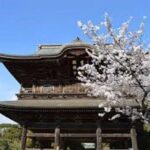
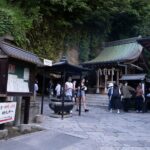
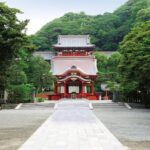
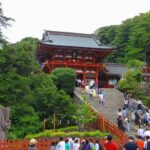
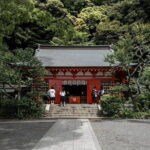

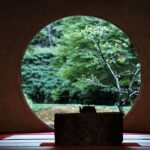
Kamakura Day Trips, side by side.
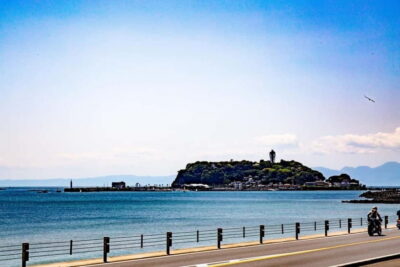 ★ 4.5Kamakura & Enoshima Day Trip including Temple TicketsFrom $581,375 reviews
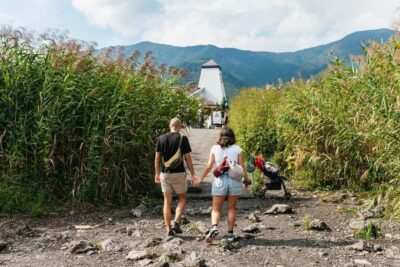 ★ 4.5Mt. Fuji, Kamakura, Big Buddha, & Lake Ashi Day TripFrom $49867 reviews
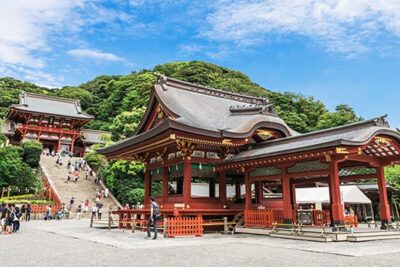 ★ 4.5From Tokyo: Kamakura & Enoshima 1-Day Bus TourFrom $66189 reviews
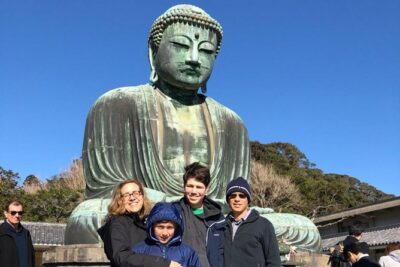 ★ 5.0Kamakura Historical Walking Tour with the Great BuddhaFrom $98129 reviews
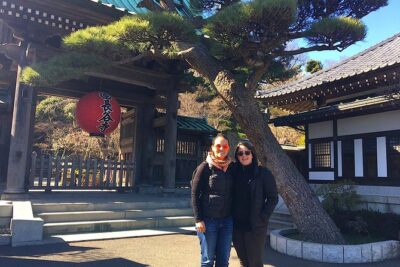 ★ 5.0Kamakura Private Tour: Temples, Nature, and the Great BuddhaFrom $98121 reviews
 ★ 5.0Kamakura Walking Tour – The City of ShogunFrom $35100 reviews
 ★ 5.0Kamakura 8 hr Private Walking Tour with Licensed Guide from TokyoFrom $20180 reviews
 ★ 4.1Kamakura & Enoshima Day Tour with Pickup & Train RideFrom $1361 reviews
This tour also belongs to