
Review · AKIHABARA TOURS
Ramen Making from Scratch +Akihabara Tour –Cooking Class
Ramen class in Akihabara, done properly, in English. You get fresh noodles from scratch and a rare Jiro-style ramen lesson you can follow in English, plus a guided walk through Akihabara and a stop in a real grocery store. One catch: you are on your own for the final bit of getting from the nearby station to the kitchen studio.
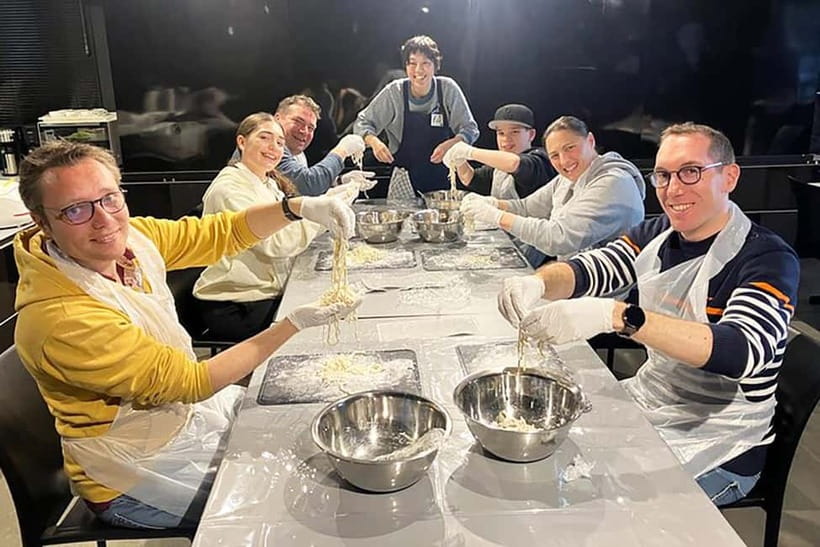
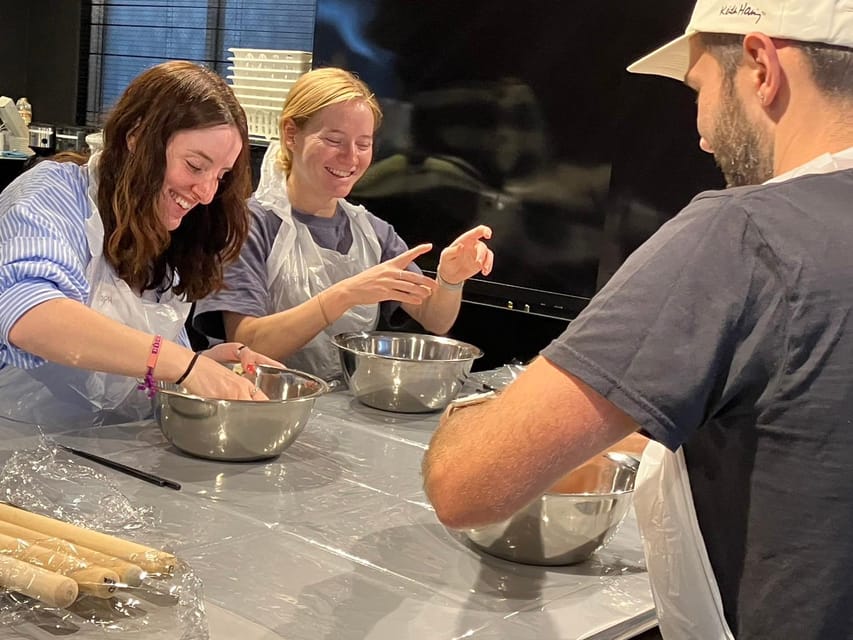
I like that this is not just a cooking demo. You help make the broth, form the noodles, and build the bowl, then sit down to eat what you made. In a small group limited to 6, the pace stays human, and you can ask questions without feeling rushed.
You do need to plan for the logistics and timing. You meet at JR Akihabara Station at 11AM, and if you are more than 10 minutes late, the group leaves and you go straight to the studio. Also, there are no vegan or vegetarian options, so this is firmly a meat-and-wheat kind of class.
Key Highlights You’ll Actually Care About
- Jiro-style ramen in English, so you can follow the steps without guessing
- Make noodles from flour yourself, not just assemble toppings
- Akihabara grocery store ingredient walk, so you understand what goes in and why
- Small group (up to 6) for more hands-on time
- Patia Kitchen Studios in central Tokyo, a short train ride from Akihabara
- Later-downloadable photos from the experience
Why This Class Starts in Akihabara, Not a Kitchen
Akihabara is a fun place to begin because it sets the mood right away. The area is known for pop culture and gadgets, and the walk gives you something to look at before you start cooking. It also makes the whole experience feel like part of Tokyo life, not a sealed-off activity bubble.
Your guide leads you through the streets and points out stops along the way as you head toward a supermarket. This matters because ramen is not just a dish. It is a shopping list, ingredient knowledge, and a routine people repeat, day after day.
The first stop is a quick walk, then you reach the grocery store. Expect a practical ingredient-focused tour, where your guide explains what you will use for the ramen you will make that day. That pre-class context helps you cook with intention, not just timing.
One more thing I appreciate: the class is scheduled for about 3 hours total. That is long enough to go from flour to bowl, but short enough that you still have the rest of your day in Tokyo.
You can also read our reviews of more cooking classes in Tokyo



The Grocery Store Walk That Makes the Cooking Make Sense
The supermarket stop is where this experience becomes more than a hands-on meal. You are not just buying ingredients. You are learning how they look, what they are called, and how they fit into a Japanese cooking routine.
The guide talks through the ingredients used for that day’s ramen. You will see Japanese food items up close, and you get a sense of how locals think about cooking. If you are the type who likes to understand what is actually in the dish, this part is a win.
This is also a good mental warm-up. Before you touch dough or soup pots, you are already picturing the final bowl. When you later mix, shape, and cook, the ingredients feel familiar, not mysterious.
A note for your expectations: the tour includes the grocery store walk, but it is not framed as a bargain hunt. It is ingredient education. So go in curious, not competitive.
Getting From Akihabara to Patia Kitchen Studios
After the supermarket, you take a train to the kitchen studio area. The ride is about 15 to 30 minutes, depending on the route that day.
Here is the practical detail you should plan for: transportation from Suehirocho Station to the studio is not included. The tour says you should use your own Suica or another IC card on the train. If you do not have one, the guide can help you buy a ticket.
This is normal for Tokyo, but it is worth calling out. You want a smooth day, so set aside time to walk a bit after the train.
Also, your class ends at the kitchen studio, which is a different location from where you met at Akihabara Station. That is fine, just make sure your next plan is near the studio area rather than back at the meeting point.
The 90-Minute Ramen Workshop: Noodles First
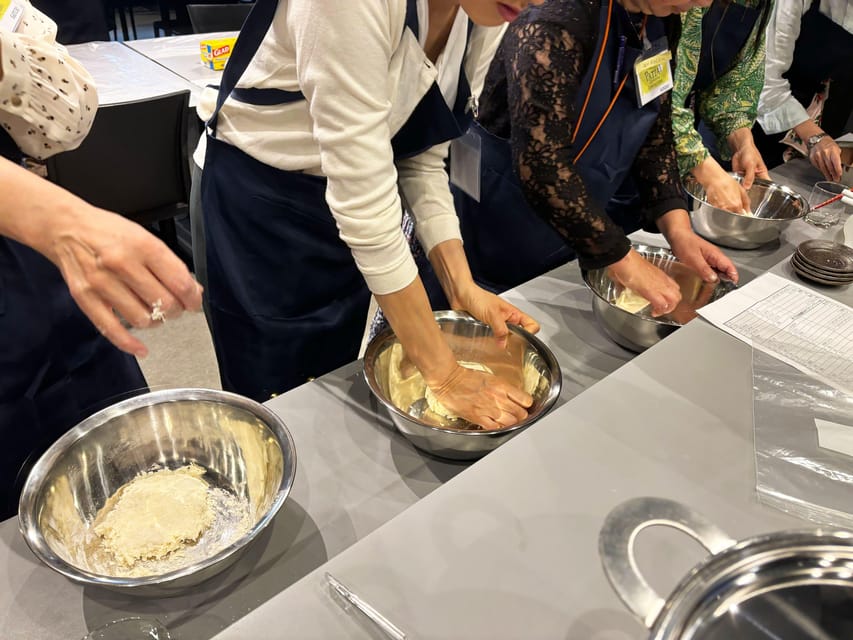
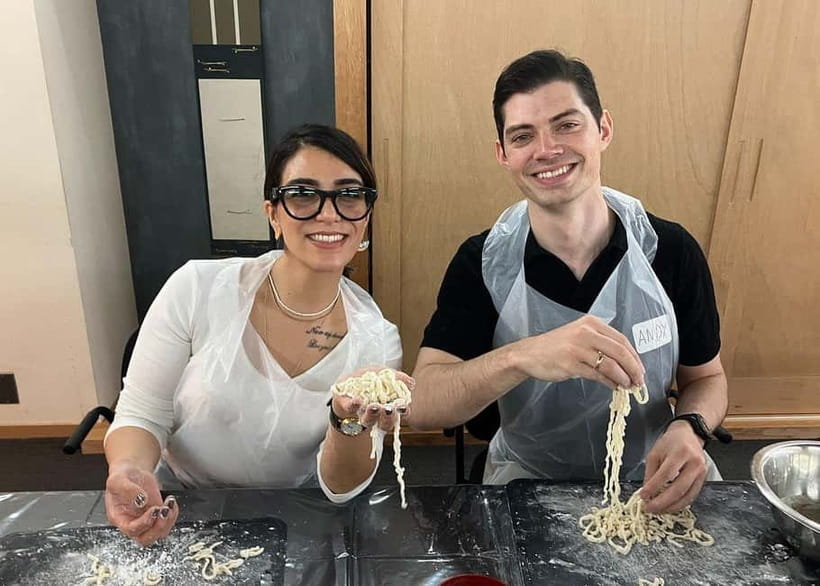
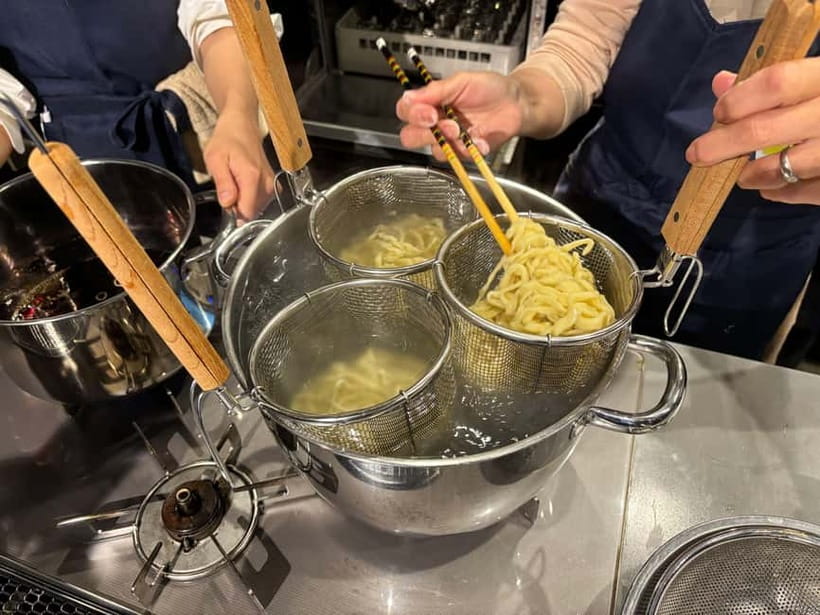
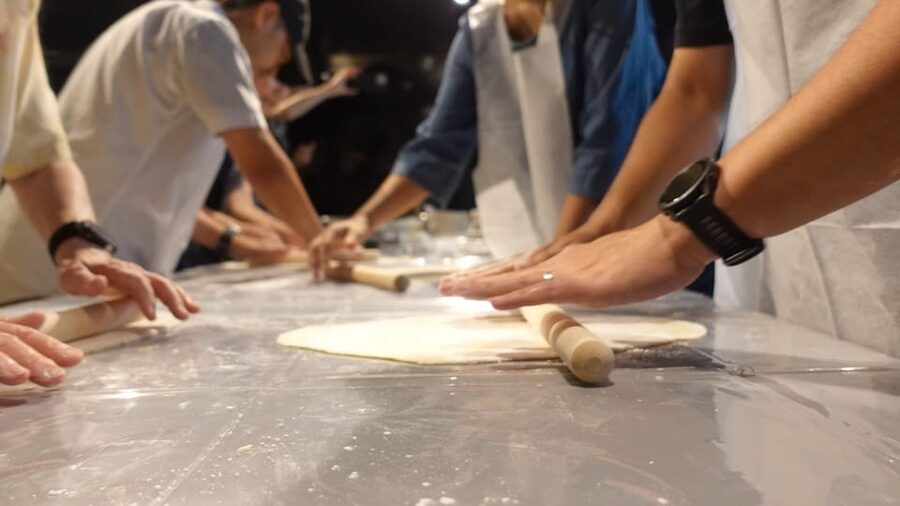
The main event is about 90 minutes in the kitchen. And yes, you make ramen from scratch. That means you work with fresh noodles, using flour as the base.
This is the part I think people will remember. Many ramen activities let you assemble something. Here, you learn the process of making noodles, which gives you a real sense of how ramen becomes ramen.
You have an English-speaking instructor guiding you through the broth, noodle-making, and bringing everything together. The English lesson is a big deal because you are less likely to miss key steps due to language gaps.
Because it is a small group limited to 6 participants, you should not feel like a spectator. You will likely have more time at your station and more chance to ask what to do next.
And there is a specific plus for this class: it is described as the only class where you can learn Jiro-style ramen in English. If Jiro-style is high on your Tokyo food list, this makes the class more than just a cooking souvenir.
Broth, Toppings, and Making a Bowl You Can Explain
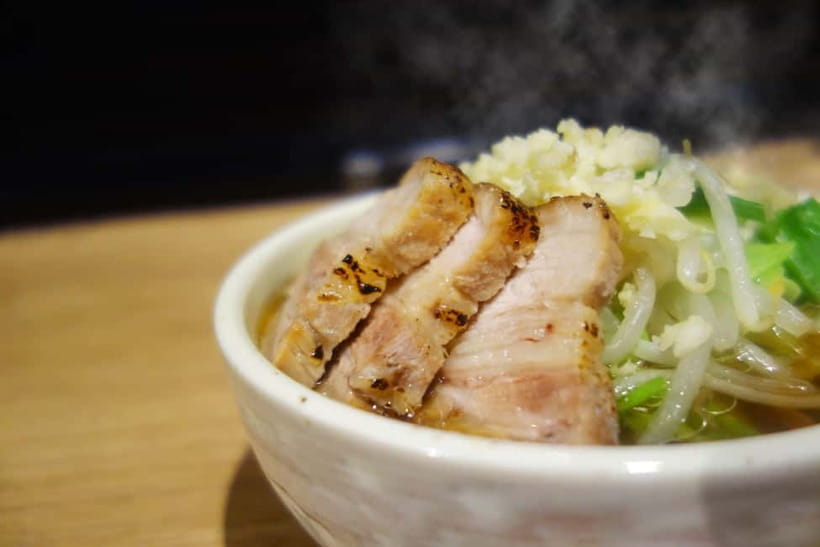
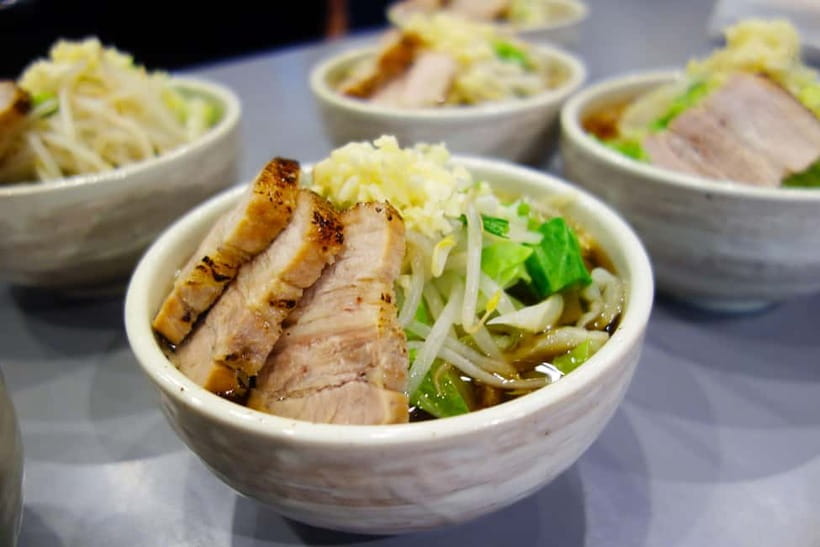
Once the noodles are underway, you shift to the parts that turn dough and water into something you actually want to eat. You prepare the broth and the toppings, then assemble your bowl.
This is where your early supermarket walk pays off. By the time you are working with ingredients in the kitchen, you are not encountering everything for the first time. You have already heard the ingredient explanations, and you can connect the names to what you are holding.
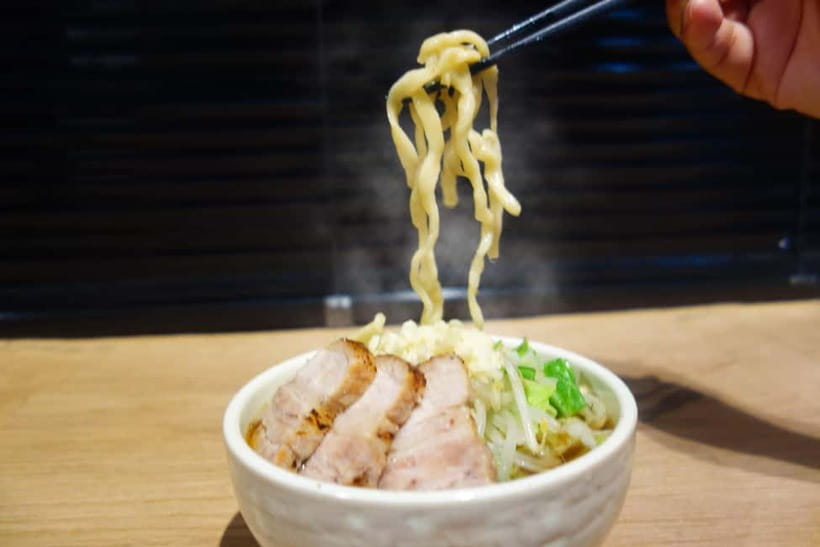
The class includes food and beverage, so after the cooking, you sit down and eat your Jiro-style ramen. That is a major difference between a cooking class and a cooking lecture.
If you care about getting the most out of the lesson, pay attention to the sequencing. The class is short, so the timing likely matters. You want to notice not just what you do, but when you do it.
Also, there is a practical detail for meat preferences. If you let them know more than 48 hours in advance, they can change the chashu from pork to chicken. If that matters to you, plan ahead when you book.
More Tokyo tours and experiences for the shortlist





Patia Kitchen Studios: A Studio Setup That Feels Like Real Work
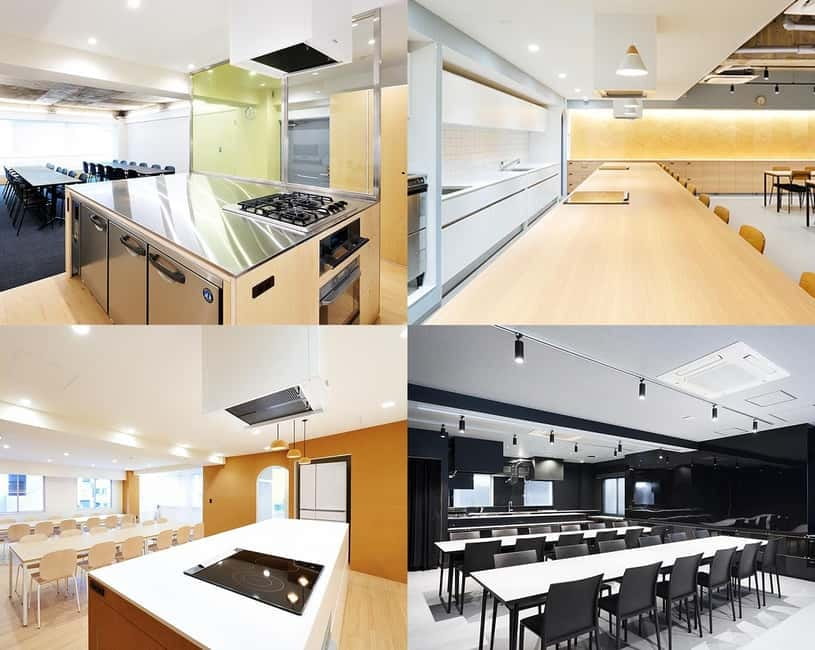
The cooking happens at Patia Kitchen Studios, described as stylish and central, with spacious and relaxing studios. It is also a few minutes from the nearest train station, so you are not stuck in the middle of nowhere after Akihabara.
I like studio-based classes because you get a real kitchen workflow. You are not cooking in a cramped space where you cannot move. That makes a difference when you are making noodles and assembling hot food.
It is also noted that the venue has been popular with Japanese TV programs for Jiro-style ramen. You do not need to care about TV to enjoy this, but it supports the idea that the setup is built for ramen instruction, not just general cooking.
If you are trying to plan your day tightly, remember: you meet at Akihabara Station at 11AM, then you transfer by train, then you cook and eat at the studio, and you finish there.
Price and Value: Why $120 Can Make Sense
At $120 per person for about 3 hours, this is not a budget activity. But it also does not pretend to be. Here is where the value comes from.
First, it is small group by design, with a maximum of 6 participants. That usually means you get more hands-on time and more attention from an English-speaking instructor.
Second, it includes the supermarket ingredient walk. That is not just sightseeing. It is preparation for the cooking part, and it gives you context for what you are making.
Third, you are not only learning ramen in general. You are learning Jiro-style ramen in English, and you are making noodles from scratch, plus broth and toppings. That is more than a basic class where you only plate or garnish.
Fourth, you get food and beverage included. Many paid experiences leave you hungry at the end or require you to find a meal afterward. Here, the meal is the point.
Finally, there are later-downloadable photographs. Those are a small extra, but in Tokyo you often end up with photos only if someone else happens to take them. Downloadable photos are convenient.
The one price-to-thought mismatch to watch is dietary limits. There are no vegan or vegetarian options. So if you need plant-based, this is not your class, even if you love ramen.
Who This Works Best For (And Who Should Skip It)
This class is a great fit if you want a hands-on ramen skill and you are curious about Japanese ingredients in real retail settings. It is also ideal if you specifically want a Jiro-style ramen lesson in English.
You may particularly enjoy it if you like practical learning. You see ingredients in a supermarket, then you cook with them, then you eat the result. That loop makes it easier to remember what you learned and easier to replicate at home later.
It is not suitable for everyone, though. It is not designed for children under 5, and it is not suitable for people with back problems or wheelchair users. Baby strollers are not allowed, and smoking is not allowed.
And for diet: vegan and vegetarian options are not available. If you need those options, you should keep looking.
If you are comfortable with a short train transfer and some walking, you will be fine.
Small Logistics That Can Save Your Day
Start by being on time. You meet at JR Akihabara Station at 11AM at the Outside Central Ticket Gate. If you are more than 10 minutes late, the group departs ahead of you, and you are asked to come to the kitchen studio directly, with no refunds for the delay.
So, if you like a buffer, arrive 10 to 15 minutes early. Tokyo trains are reliable, but station navigation can still take time.
Bring an IC card or plan to buy tickets with help from the guide. The train part is part of your day, and the final leg from Suehirocho Station to the studio is not included.
Finally, if you are eating chashu pork but you want chicken instead, message them more than 48 hours in advance. That timeframe matters.
Should You Book It?
Yes, I would book it if you want to do ramen in a way that feels hands-on and structured: supermarket ingredient walkthrough, ramen-making with an English instructor, then you eat what you made at a real studio.
I would hesitate or skip if you need vegan or vegetarian meals, if mobility is a concern, or if you cannot handle the timing and train transfer details.
If Jiro-style ramen in English is high on your list, this is the kind of class that saves you from settling for something more basic. It is also the kind of experience where you walk away with a bowl you can explain, not just an Instagram photo.
FAQ
What is the duration and meeting time?
The class runs for about 3 hours, and you meet at 11AM at JR Akihabara Station, outside the Central Ticket Gate.
Is the instruction in English?
Yes. The instructor is English.
Do I make noodles and broth, or just assemble toppings?
You make ramen from scratch, including fresh noodles and preparing the broth and toppings. You then eat the bowl you made.
Do you include a supermarket stop?
Yes. The experience includes a grocery store walk and an ingredient walkthrough.
Can the class accommodate vegan or vegetarian diets?
No. Vegan and vegetarian options are not available.
Can they change chashu from pork to chicken?
Yes, if you notify them more than 48 hours in advance, you can change the chashu from pork to chicken.
Where does the class end?
The class ends at the kitchen studio, which is different from the meeting point at Akihabara Station.
More Cooking Classes in Tokyo
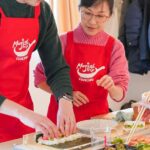
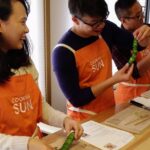
More Tours in Tokyo





More Tour Reviews in Tokyo


Not for you? Here's more nearby things to do in Tokyo we have reviewed











Akihabara Tours, side by side.
 ★ 5.0Official Street Go-Kart Tour – AkihabaraFrom $611,578 reviews
 ★ 5.0Tokyo Go Kart: Asakusa, Skytree, and Akihabara **IDP MUST**From $99988 reviews
 ★ 5.0Akihabara Anime & Game Adventure Walking Tour (Group or Private)From $90404 reviews
 ★ 5.0Gameboy Mod Workshop at AkihabaraFrom $360253 reviews
 ★ 5.0Akihabara Tailor-made Private Tour for Anime FansFrom $132142 reviews
 ★ 5.0Original Street Kart Experience from AkihabaraFrom $51111 reviews
 ★ 5.0Ramen Making from Scratch +Akihabara Tour –Tokyo Cooking ClassFrom $123107 reviews
 ★ 5.0Tokyo’s Must-Sees: 5-hour Tsukiji, Akihabara & Asakusa TourFrom $10188 reviews
This tour also belongs to